
Last updated November 22, 2026
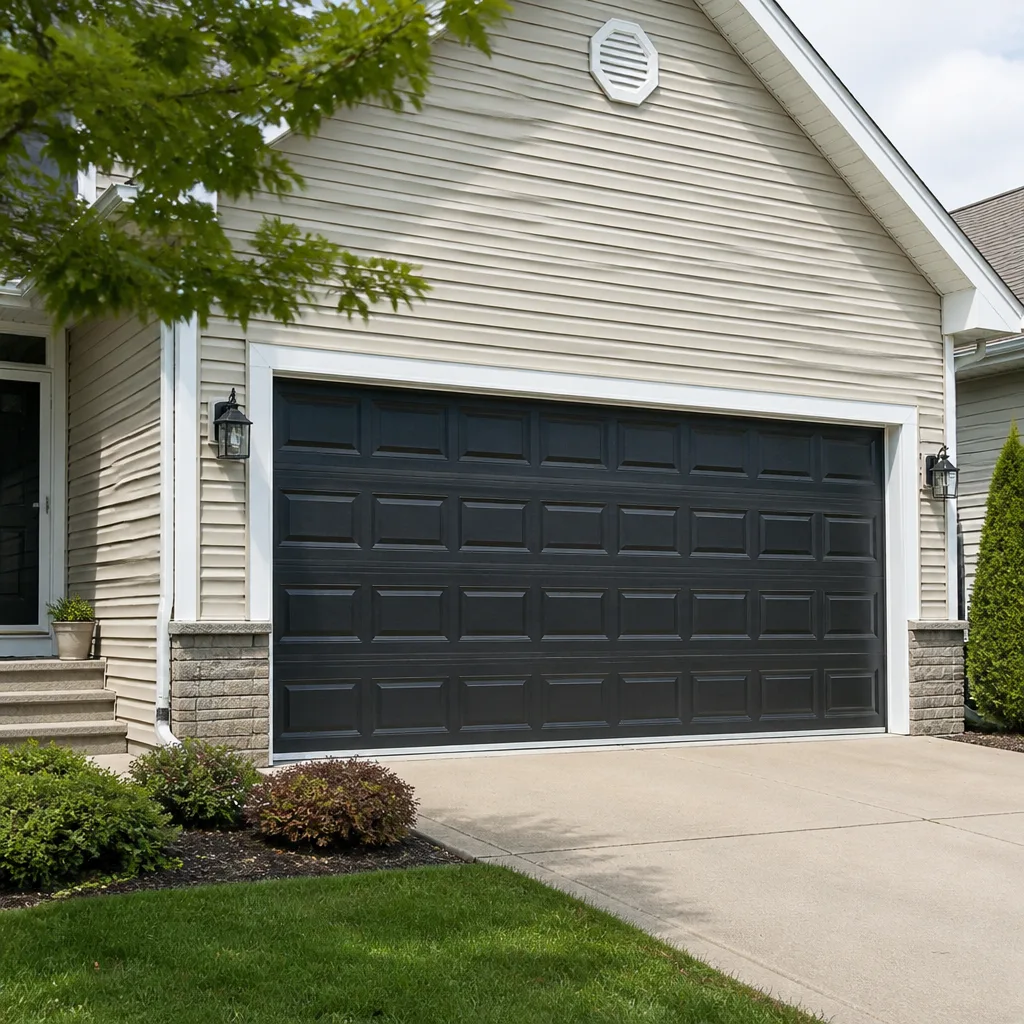 Raised-panel steel
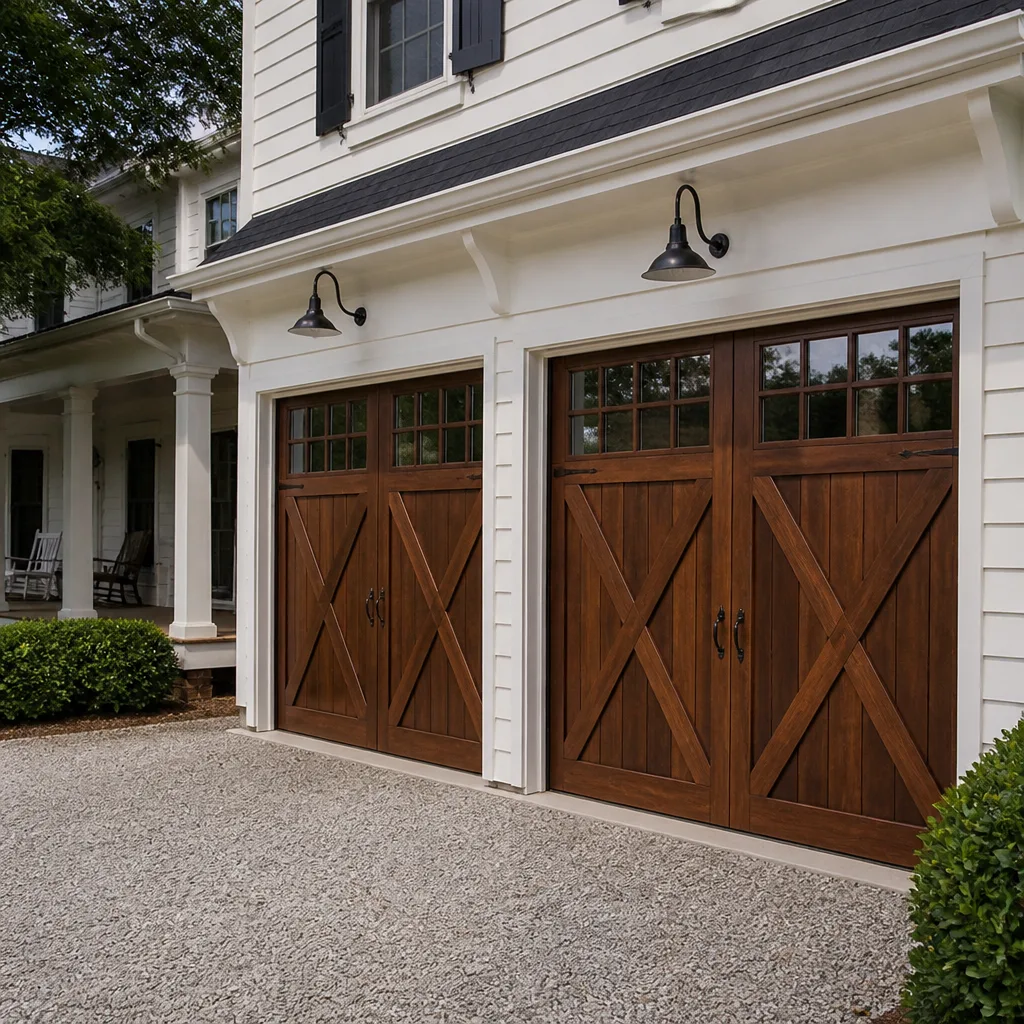 Carriage house
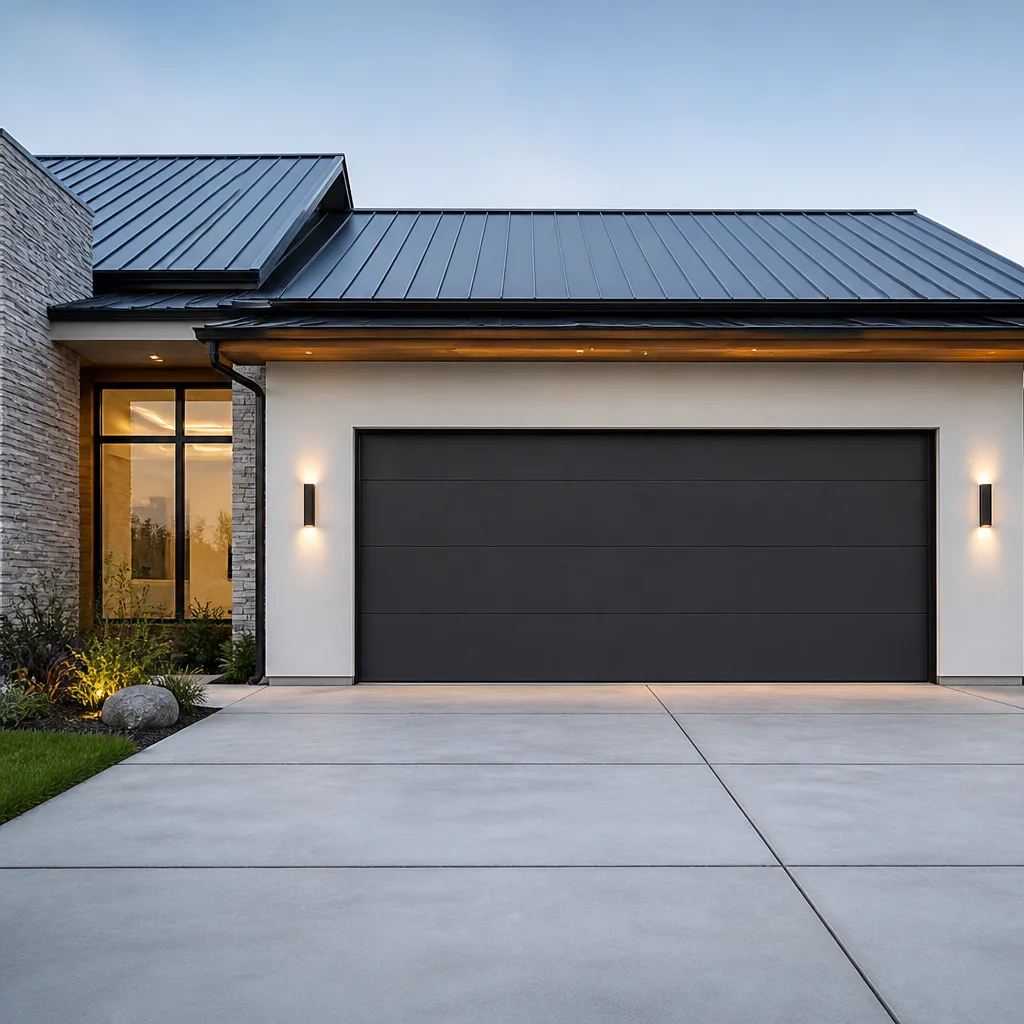 Modern flush
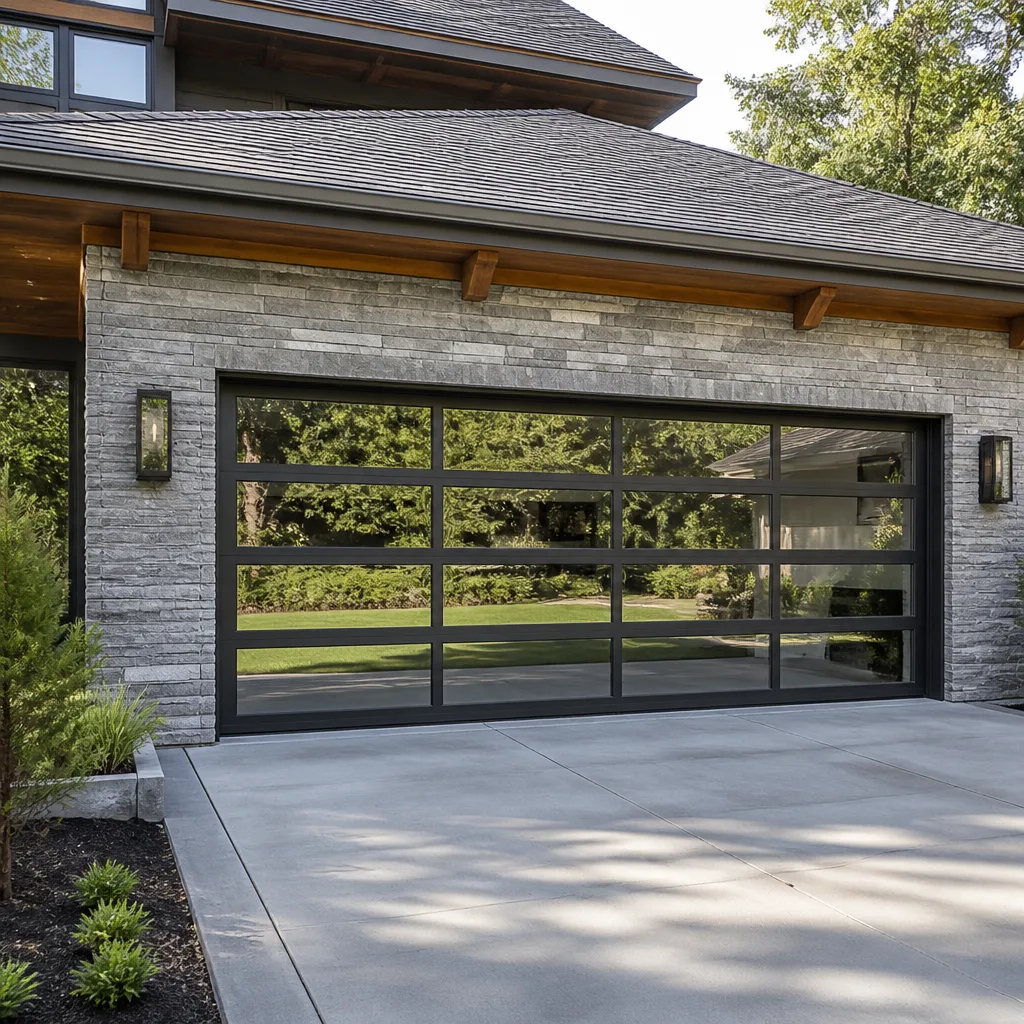 Full-view glass
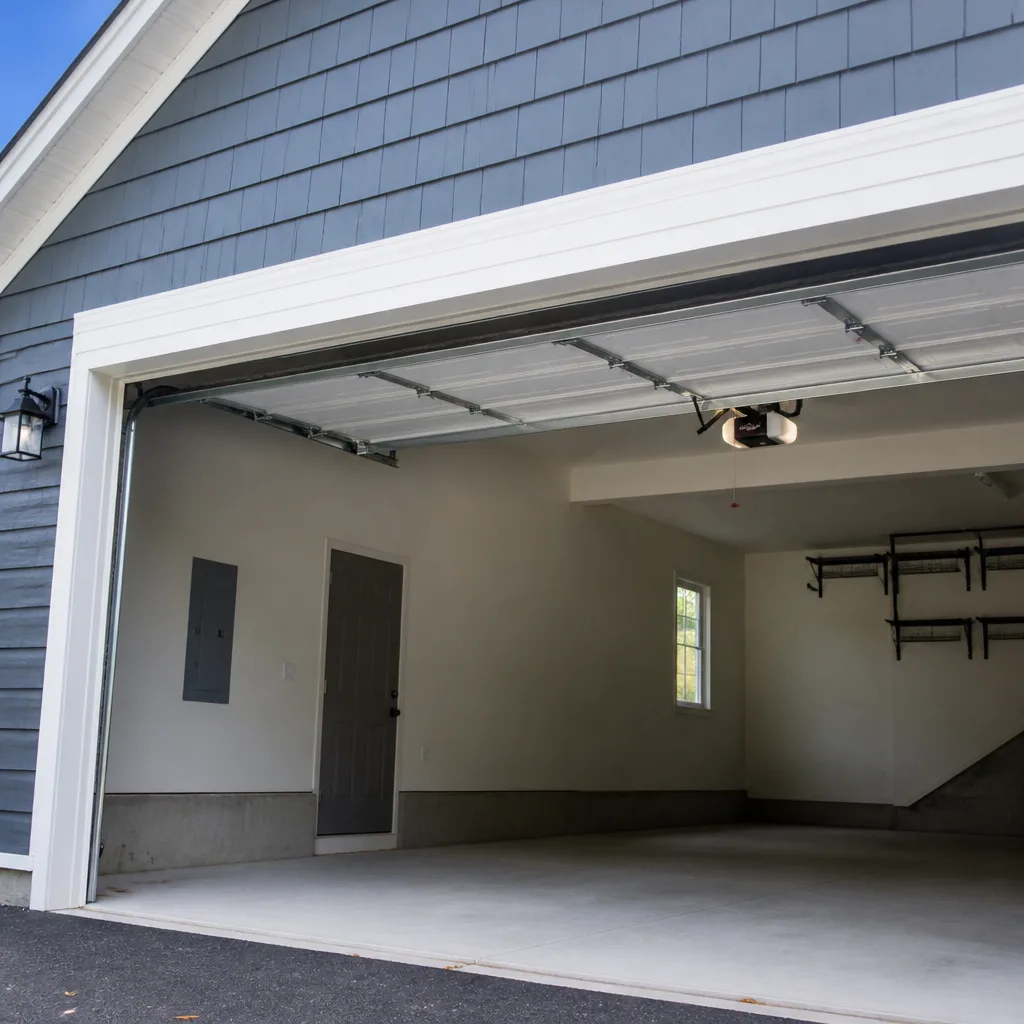 LiftMaster openers
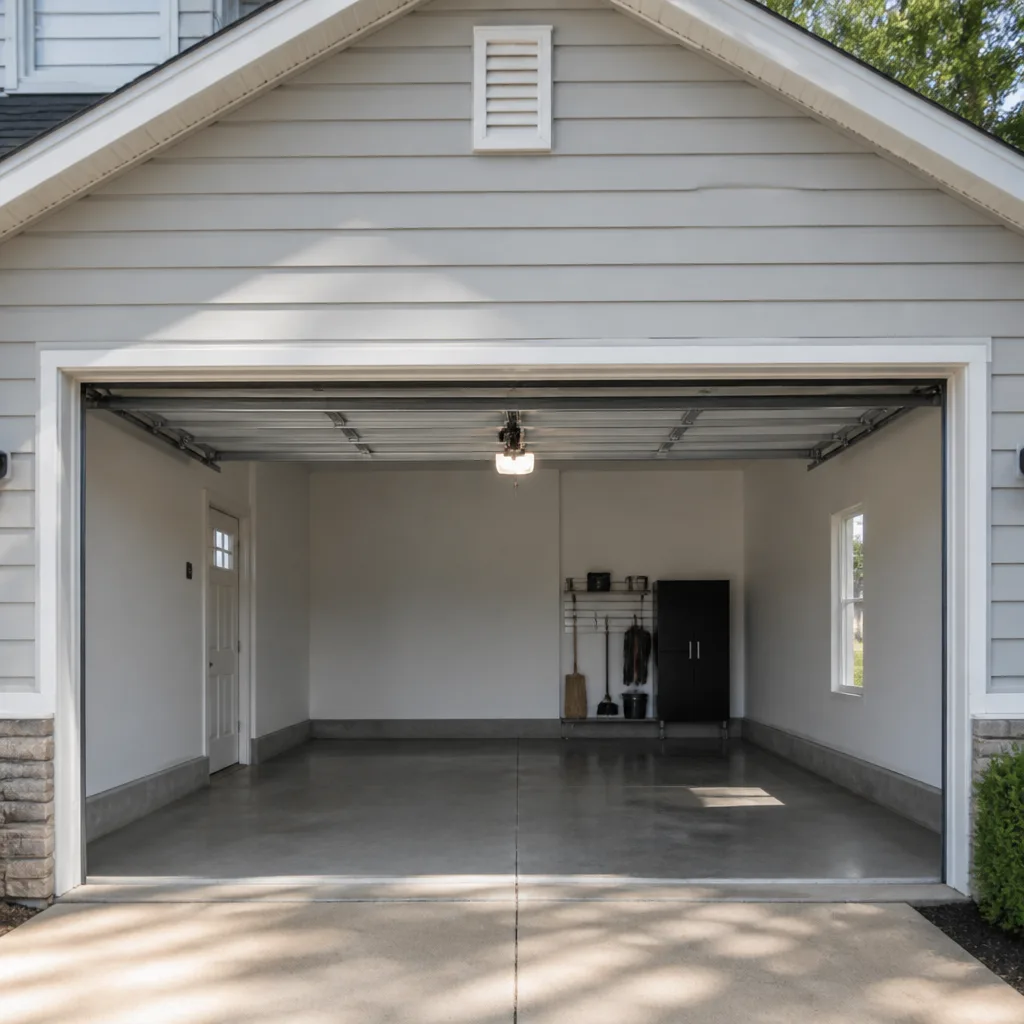 Chamberlain openers
Full 25-point door and opener safety check with every visit - springs, cables, rollers, tracks, and your LiftMaster or Chamberlain opener included
You get a price before we start. It does not change when the pro arrives.
Get your free estimateGarage Door Emergency Preparedness Guide for Lynnhaven Homes
Most homeowners think a garage door emergency means a snapped spring. In Lynnhaven, that’s only part of the story. A door can fail from wind pressure in a summer storm, a power cut can leave your car trapped inside, and the humid air here works on cables and springs in ways that cause sudden failures with no warning. What makes these moments manageable isn’t luck. It’s the ten minutes you spend now, before anything breaks. This guide covers how to manually release every major opener type, what to do when a storm is a day out, how to safely assess a door after an impact, and exactly what to keep in a garage door emergency kit.
Quick Answer
Garage door emergencies in Lynnhaven fall into four categories: mechanical failure (springs, cables, tracks), power loss that traps vehicles, storm and wind damage, and opener failure. The single most important preparation is learning your door’s manual release, because a power outage turns a working door into a sealed wall. Know your release, keep a small kit on hand, and know which failures mean stop using the door and call a specialist.
Styles & brands we work with
- Raised-panel steel
- Carriage house
- Modern flush
- Full-view glass
- LiftMaster openers
- Chamberlain openers
Table of Contents
- How Do You Open a Garage Door by Hand When the Power Is Out?
- What Counts as a Garage Door Emergency in Lynnhaven?
- How Should Lynnhaven Homeowners Prepare a Garage Door for Hurricane Season?
- How Do You Safely Assess a Garage Door After a Storm or Impact?
- Why Springs and Cables Fail Without Warning in Lynnhaven’s Humidity
- What Belongs in a Garage Door Emergency Kit?
- What Should You Tell an Emergency Dispatcher to Get the Right Parts and a Real ETA?
- Common Mistakes to Avoid
How Do You Open a Garage Door by Hand When the Power Is Out?
You pull the red release cord hanging from the opener trolley, and then you lift the door by hand. That’s the short version, and it’s where most trouble starts. The longer version matters, because doing this wrong on a heavy or unbalanced door can drop it on you or bend the panels. Learn the exact release for your opener brand well before you need it, in daylight, with the door fully closed and a clear head.
Every opener brand we work on uses a variation of the same idea, but the release handle and the trolley look different. Here’s how to find yours:
- Identify your opener brand first. LiftMaster, Chamberlain, Genie, and Craftsman each use slightly different release handles and trolley designs. Clopay and Amarr are door manufacturers, but they’re installed with these same openers. Look at the unit hanging from the ceiling and find the brand label. This determines what you’re pulling and how the carriage disconnects.
- Locate the release cord and any lock. On most models it’s a red handle on a cord hanging from the trolley. Some openers also have a lock that must be disengaged first; a door in locked mode will not release cleanly.
- With the door all the way down, pull straight down firmly. The trolley should click free of the carriage. Pull at an angle and you can jam the mechanism instead of releasing it.
- Lift slowly and evenly, using the handle or the bottom edge. LiftMaster and Chamberlain openers pair with doors that balance at around waist height. If the door won’t stay put when you let go, the springs are compromised. Stop and call for help.
- Prop the door or secure it before you leave it open. An overhead door has no latch when it’s released from the opener. Once your car is out, lower it gently and push the carriage back toward the opener so it re-engages on the next cycle.
On a LiftMaster or Chamberlain opener, the release handle is the red cord on the trolley. On a Genie, look for the same style of cord but check for a manual lock lever on the rail. Craftsman openers from earlier generations can carry a sliding lock on the rail. The common denominator is this: never force a stuck release. If it won’t move, something’s jammed and pulling harder makes it worse. That’s a job for a technician, and it’s often the first thing we sort out on an emergency call in Lynnhaven.
What Counts as a Garage Door Emergency in Lynnhaven?
Not every malfunction is an emergency. Knowing which category you’re in saves you a panic call and helps a dispatcher send the right technician with the right parts. In our experience, Lynnhaven calls sort into four types, and two of them are genuine emergencies.
- Mechanical failure. A snapped spring, a frayed or detached cable, or a door that has jumped the track. If the door is hanging unevenly, won’t stay closed, or won’t lift at all, treat it as an emergency and stop using it. Springs and cables are under extreme tension; this is one repair that should never be DIY.
- Power loss. The opener itself is fine, but you have no electricity and your car is inside. This isn’t a repair emergency, it’s a release emergency, and the manual procedure above handles it safely.
- Storm and wind damage. Bent panels, a door pushed off its rollers, or a door that won’t close after wind pressure. Stop operating it until it’s been assessed.
- Opener failure. The motor runs but the door doesn’t move, or the opener won’t respond at all. If this leaves your home or vehicles unsecured, it’s a priority. A reliable garage door repair call sorts this out; we can tell you over the phone whether it’s a safety emergency or an inconvenience you can schedule.
Two of these, mechanical failure and storm damage, are the ones that need same-day attention because a door stuck partway open leaves your home exposed. We run emergency garage door response as a distinct service line for exactly this reason. We answer 24/7. Fast dispatch from 7am to 7pm, Sunday through Friday, and we’re closed on Saturday. That matters when a door fails and you need the garage secured for your family and your car.
How Should Lynnhaven Homeowners Prepare a Garage Door for Hurricane Season?
Bracing hardware is what keeps a door in its frame when wind pressure pushes on it. No amount of preparation makes a door hurricane-proof against every storm, but the right braces, a verified rating, and a door that’s correctly balanced give you a lot more margin as a storm moves in. The time to do this work is before the forecast, when a technician can take measurements without pressure and hardware can be fitted to your exact door.
Start by checking whether you have a wind-rated door. Look for the manufacturer’s label (Clopay, Amarr, Wayne Dalton, and Raynor all rate their storm-capable lines). If you can’t find the label, the door may not be rated at all. That’s worth knowing in advance, not during a watch. A technician can confirm what you have and what your options are.
- Verify the lift force and balance now. A door that’s out of balance is much easier for wind or a storm to lift or damage. This is a quick check a professional can do on a regular service visit; it’s not something to test by hand on a storm-ready door.
- Confirm your wind load rating before the season. Manufacturer labels carry the rating for the exact door you bought. If it’s missing, plan a service call during the spring lull, not the week of a storm.
- Have bracing or a storm kit fitted in advance. Fixed bracing should be measured for your particular door and frame. Don’t buy a generic brace and drill into a door yourself; a wrong brace can twist the panels.
- Clear the door’s travel path. Storms bring yard debris. Make sure nothing is stacked in front of or behind the door that could jam it when auto-reverse engages.
- Know what 24 hours out means. With a storm a day away, secure loose objects, close the door and leave it closed, and stop trying to fix anything yourself. If a spring fails during this window, that’s an emergency call to a specialist, not a project.
And if a storm does damage the door, the right move is to leave it alone and let a professional assess it. We’ve seen doors that were dangerous hours after a storm because the wind had put an invisible twist in the panels and bent the travel tracks. A full garage door installation might be the answer after a bad hit, but it’s a decision to make after an inspection, not a guess.
How Do You Safely Assess a Garage Door After a Storm or Impact?
Look, listen, and then decide whether to touch it or leave it. That order matters. The safest assessment after a storm or impact takes place from outside the door and from across the garage, not under the panels. Anything that moves, sags, or makes an unusual sound when the spring is loaded is a stop sign. Here’s how to check without putting yourself in the way.
- Operate nothing before you look. Stand back and check the panels for bends, dents, or separation at the hinges. If panels are shifted, the door isn’t aligned and running it will force it further out of true.
- Check the tracks. Look for tracks that are visibly bent, pulled away from the frame, or out of plumb. A door climbing a bent track is a jam waiting to happen.
- Listen to the opener. Does it run but not move the door? Does it move the door but make a grinding noise? Each points to a different failure. That’s a sign the opener needs attention, which falls under garage door opener repair territory.
- Check the springs from a distance. Never reach up to look closely at a torsion spring on a closed door, and never touch a spring or cable that looks kinked or detached. Springs are under extreme tension and can fail without warning.
- Test the balance only with the door under control. Disconnect the opener, lift the door to waist height, and let go. If it stays, the springs are working. If it drops or won’t stay up, leave it down and call for help.
In Lynnhaven, the humid air is the hidden factor here. It doesn’t cause storm damage, but it does accelerate the wear on the parts that storm damage exposes. A door that survived the storm may still have a spring or cable that’s on its last legs. If it feels or sounds different after a storm, have it looked at before you go back to daily use.
Why Springs and Cables Fail Without Warning in Lynnhaven’s Humidity
Springs and cables carry the entire weight of your door, and humidity attacks both parts. A torsion spring is a coil of steel under constant tension; the moisture in Lynnhaven’s air gradually works into the coil and the steel fatigues from the inside. A lift cable is braided steel strand on a pulley; moisture and daily cycling fray it a strand at a time. Both can look fine one day and fail the next, because the damage accumulates where you can’t see it.
This is why spring work is a specialty. A technician’s inspection checks the spring’s tension balance, the cable strands along the drum, the rollers, and the pivot hardware that takes the shock when a door slams. Those checks are usually done as part of an opener service or a routine call. The point isn’t to sell you something; it’s to catch a cable with three strands popped before it lets go and drops a door.
If a spring does snap, the door becomes very heavy and very dangerous. Stop using it. Don’t try to lift it, don’t try to force the opener to lift it, and don’t attempt to take the spring off. That’s the call where a specialist comes to the house with the correct torsion or extension spring and handles the job safely. It’s also the single most common emergency we respond to in Lynnhaven, so a snapped spring is something we know how to handle on the spot.
What Belongs in a Garage Door Emergency Kit?
A small, labeled box near the garage door solves 80 percent of the small problems that turn into big ones. You don’t need much. The point is to have the right tools in the right place before you need them, so you’re not fumbling in the dark during a power cut or a storm. Here’s a practical kit for a Lynnhaven home.
- A good flashlight plus spare batteries. Most emergencies involve losing power or moving in a dark garage. Keep both in the kit, not in a drawer elsewhere.
- Work gloves. Standard heavy gloves for handling a manual release, moving debris, and protecting your hands from sharp edges. Springs and cables can catch and cut.
- The owner’s manual for your opener. If you’ve got it, the manual tells you the exact release procedure for your model. If it’s lost, a call to a specialist can tell you how to get one for your brand.
- A small pry bar or flathead screwdriver. For freeing a stuck roller or nudging a panel, not for adjusting springs or tracks. Those are professional jobs.
- Several pieces of wood blocking. For propping or chocking a door you’ve manually opened and for blocking behind a door that’s stuck partway. Never rely on the opener to hold an open door you’ve released.
- A few spare fasteners and a roller or two. For securing a hinge or replacing a roller that’s popped out. Match the roller size to your door; bringing the old one to a specialist is the surest way.
- A copy of your professional’s contact info. Write the number on a card and put it in the kit, so you’re not searching for it during a power outage.
Store the box on a shelf, off the floor, where water and chemicals don’t reach it. A kit that’s wet or rusted together is no use when you need it. And skip anything that promises to let you handle springs or cable repair yourself. Those parts are too dangerous for a home kit; the kit is for the safe jobs only.
What Should You Tell an Emergency Dispatcher to Get the Right Parts and a Real ETA?
Tell them what the door is doing, the brand, and how old the door is. Those three details let a dispatcher match the call to the right technician and the right parts cart. In our trade, a five-minute phone conversation is often what stops a technician from arriving without the right size spring or the right opener component. Here’s the list to have ready before you call.
- What the door is doing. “It won’t open” is less useful than “the opener runs but the door doesn’t move” or “the door is hanging on one side.” Describe the failure, not the symptom.
- Which brand and model. LiftMaster, Chamberlain, Genie, Craftsman for the opener; Clopay, Amarr, Wayne Dalton, Raynor for the door. If you can see the brand label, read it off.
- What changed since it last worked. A storm, an impact, a power cut, or nothing obvious. This tells the technician whether to expect storm damage or a part failure.
- Whether the door is stuck open or stuck closed. A door stuck open is a security problem and often a priority call. A stuck-closed door involves access to your vehicles.
- What you’ve already tried. Did you pull the manual release? Did you reset the opener? Knowing what’s been done saves the technician time.
- Where you are in Lynnhaven. Street and landmarks matter. A door on a windy corner near the water may behave differently in a storm than one in a sheltered courtyard.
A dispatcher who has this list can give you a realistic arrival window and load the right parts. We answer 24/7 and will tell you what we can do. A call outside dispatch hours is booked into the next opening, Sunday through Friday, 7am to 7pm, and we’ll tell you exactly what that means for your door. That’s better than a two-hour drive where nobody knows what they’re walking into.
Common Mistakes to Avoid
- Yanking the manual release without checking the door’s weight. A door with a failed spring is dangerously heavy. If it won’t stay up when you lift it, let it down and call a specialist. Pulling a release on an unbalanced door can drop it.
- Forcing a door that’s jumped the track. Running the opener on a door that has come off its track bends panels and can twist the torsion bar. If the door looks out of line, stop and get it assessed.
- Skipping the wind rating check before storm season. Many Lynnhaven homes have a door with a rating they’ve never confirmed. A simple label check takes minutes and can guide your storm prep. Don’t wait for a watch to check.
- Buying a generic brace and installing it yourself. Storm bracing has to be measured for your specific door and frame. A wrong brace can shift the door out of balance and create a new problem.
- Ignoring a new noise after a storm. A grinding or scraping sound after storm winds usually means the track or rollers got knocked out of true. Catching it early avoids a bigger repair.
- Keeping the springs and cables out of sight and out of mind. The humid air works on both constantly. A few minutes of professional inspection during a routine visit saves you an emergency call later.
- Treating power loss as a repair emergency. A dead opener is often just a dead outlet or a tripped breaker. If your manual release works and the power comes back, you may not need a technician at all. If the opener still won’t respond after power is restored, that’s the call to make.
See the difference
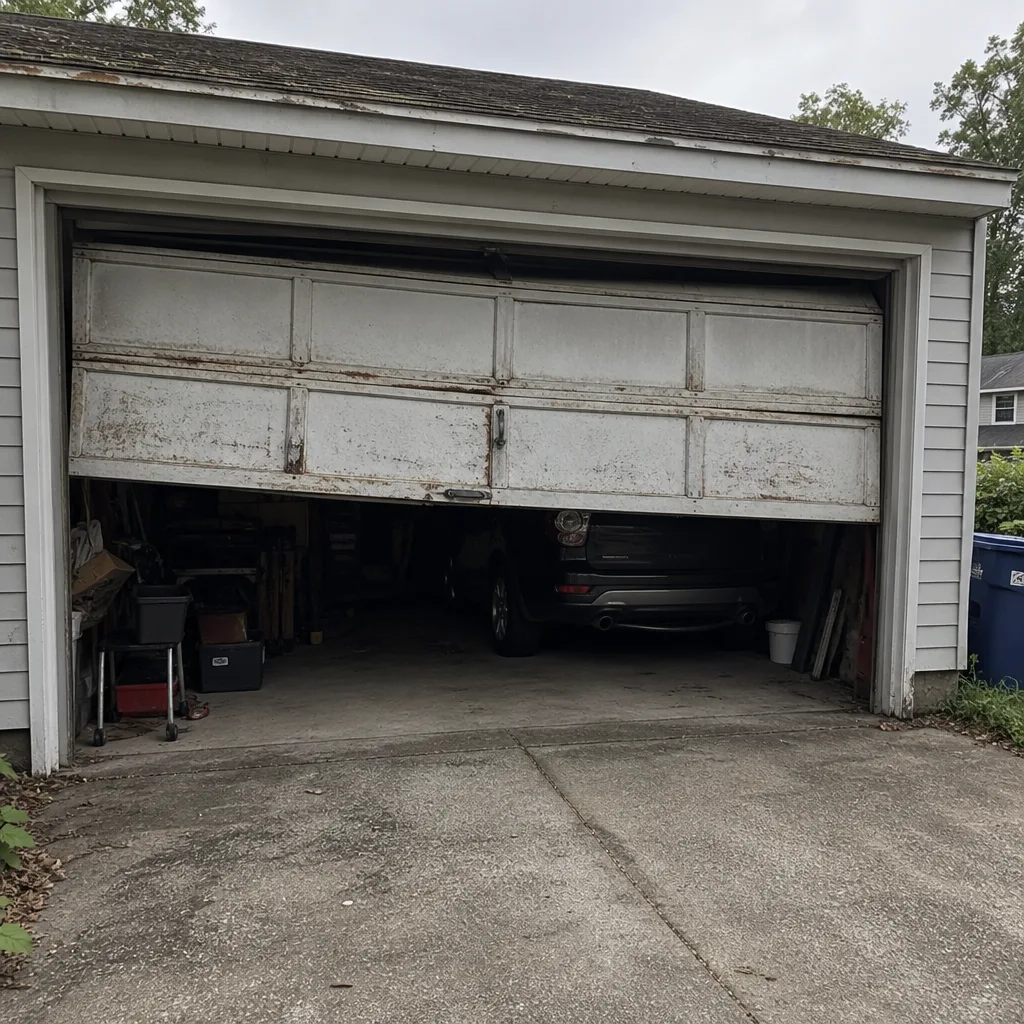 Before
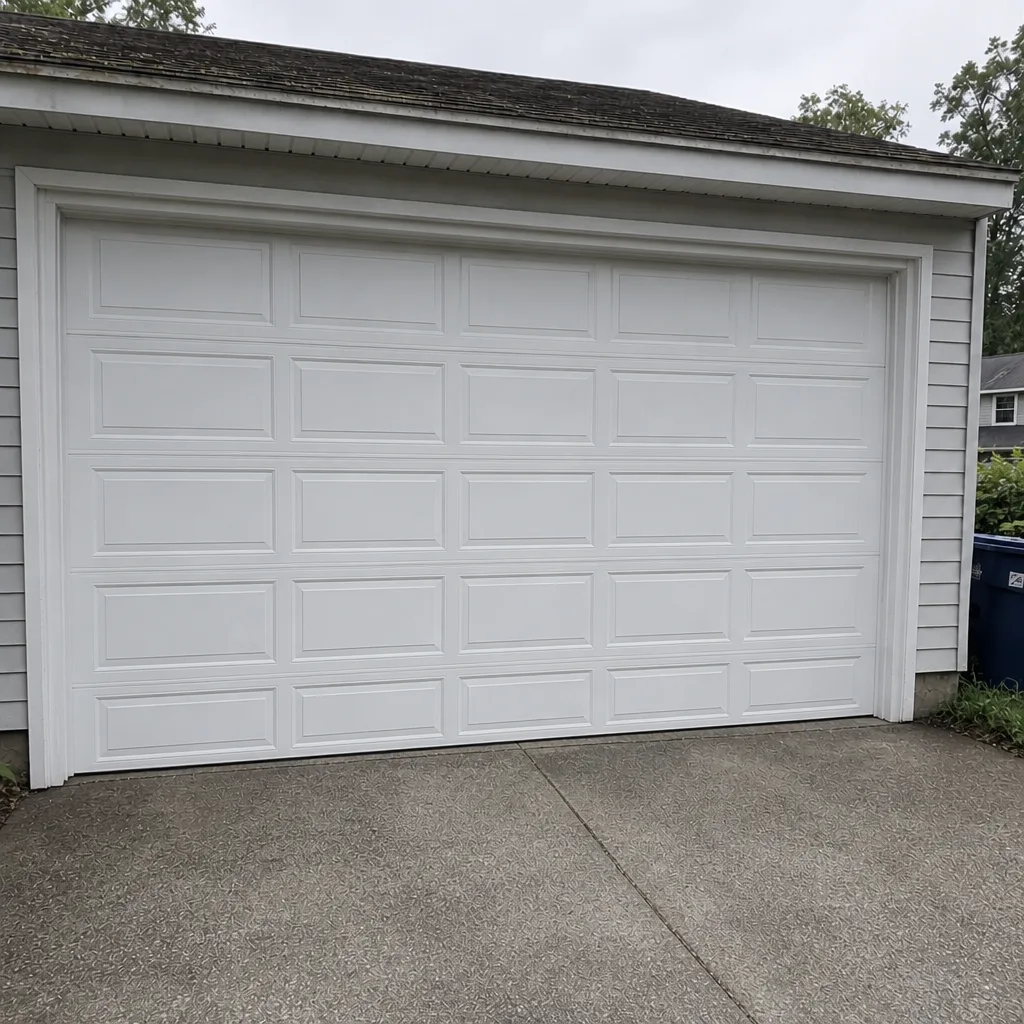 After
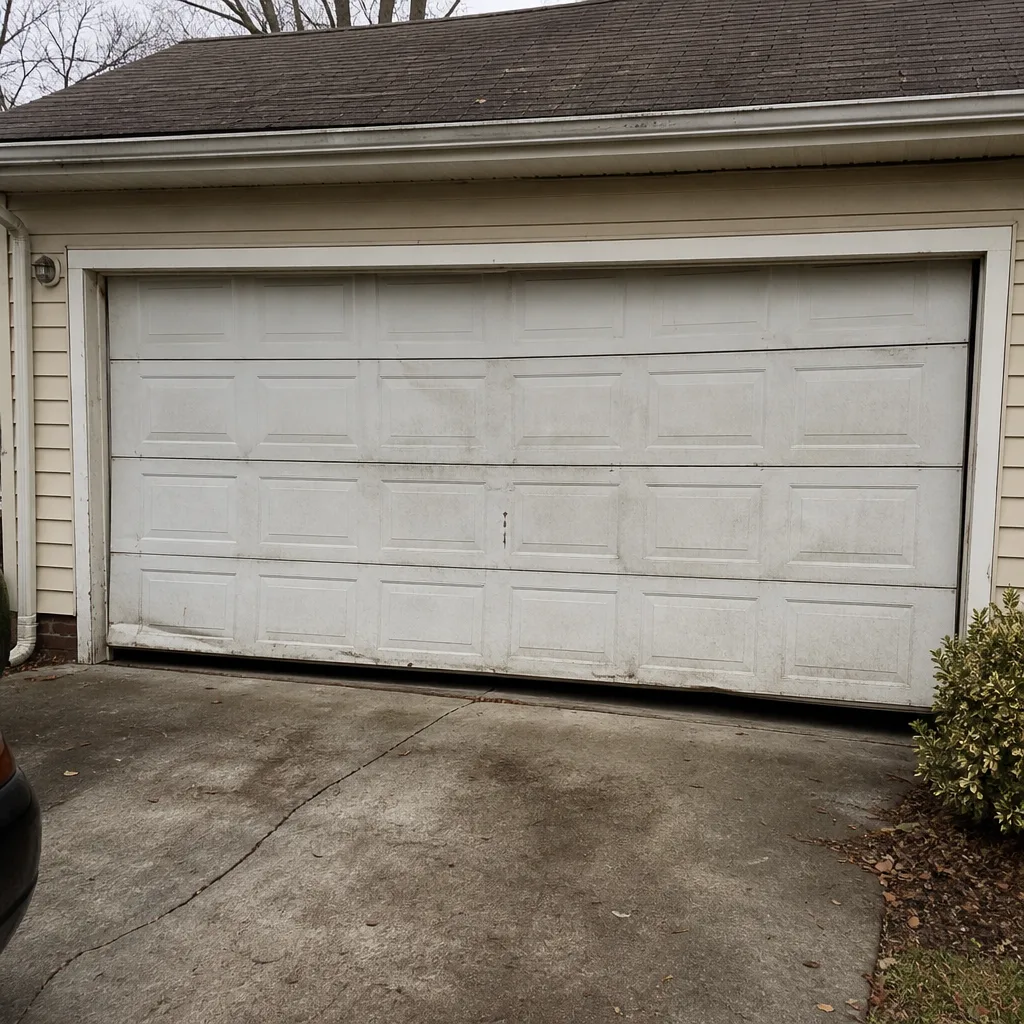 Before
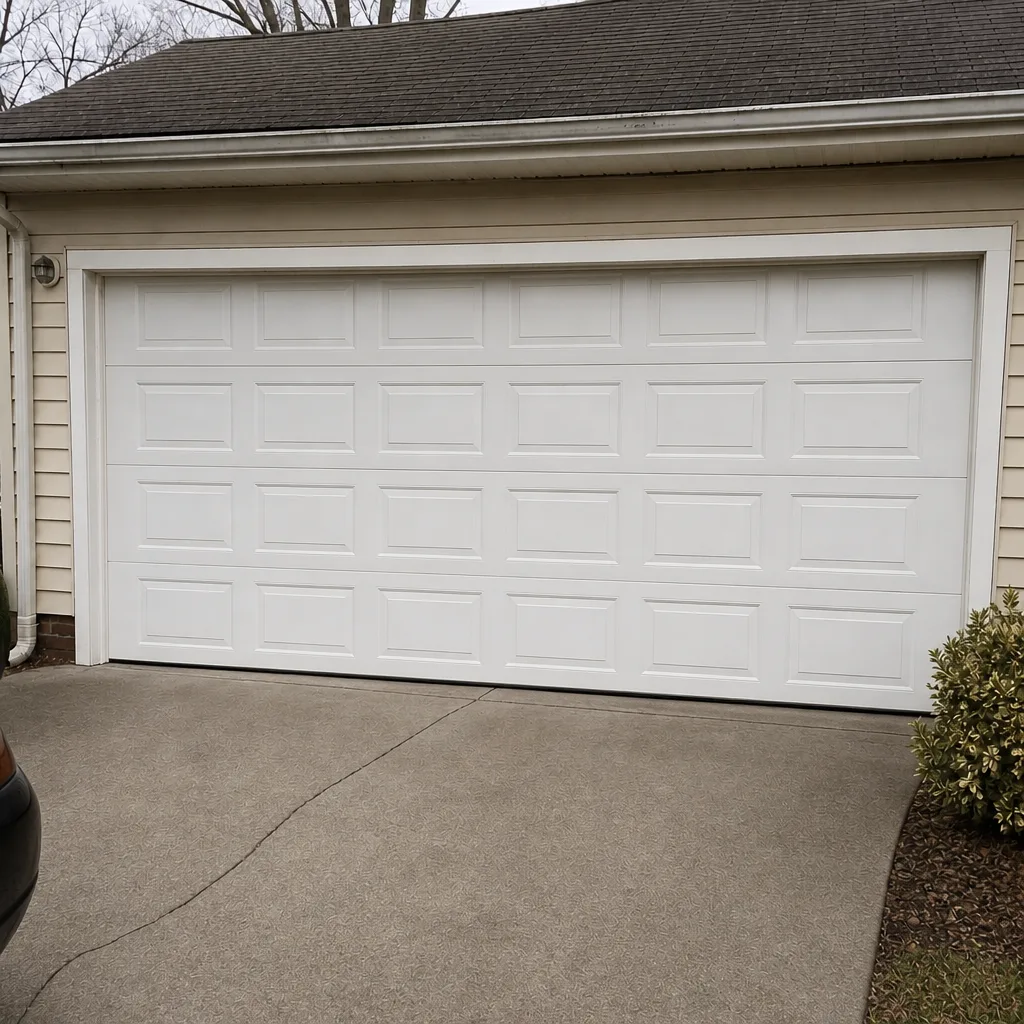 After
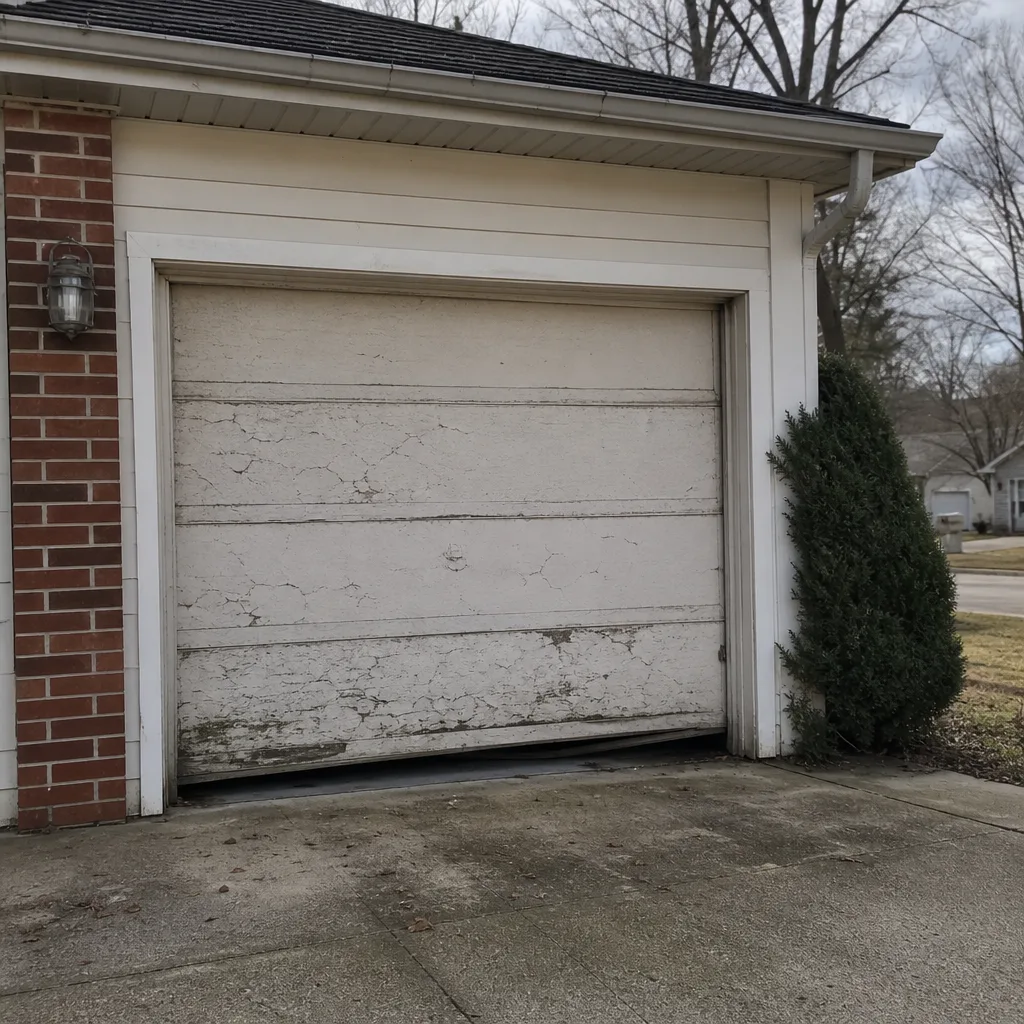 Before
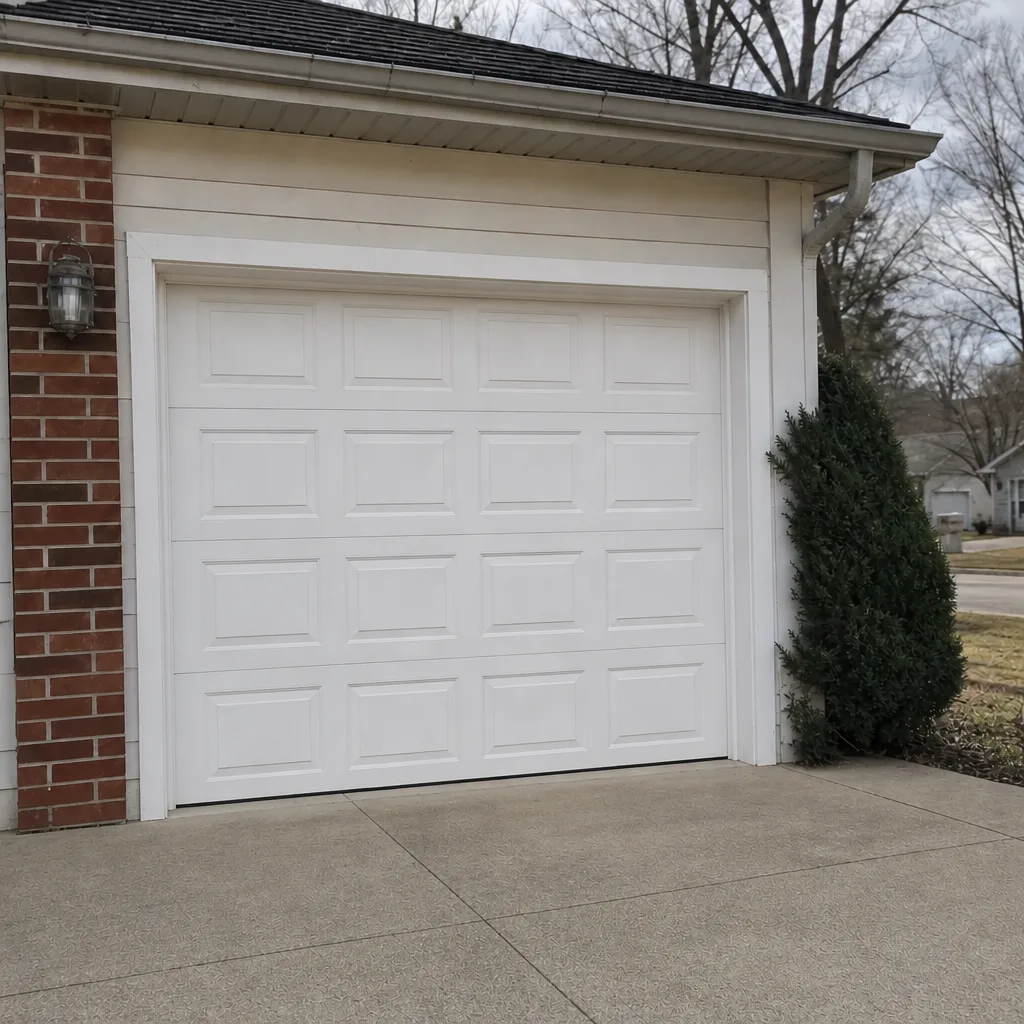 After
When to Call a Professional
Call a professional if a spring has snapped, a cable has come loose or looks frayed, the door has come off its track, or storm damage has left a panel bent or a track pulled. Call if the door is hanging unevenly, won’t stay up when you lift it, or makes a grinding or scraping sound when the opener runs. Call if a door you released manually won’t re-engage. And call if a power loss leaves you unsure whether your opener is dead or just unplugged. These are the situations where a trained specialist saves you a much bigger repair. We work on virtually every major brand, including yours. Garage Door Repair Lynnhaven offers free estimates in Lynnhaven; call (877) 792-5898 for a free estimate. We answer 24/7.
Frequently Asked Questions
Pull the red release cord on the opener trolley with the door fully closed, then lift the door by hand. On most LiftMaster, Chamberlain, Genie, and Craftsman openers, the release handle is on the trolley and clicks free with a firm straight pull. If the door won’t stay up when you lift it, stop and call a specialist; that means the springs are compromised. Call (877) 792-5898 for help; estimates are free.
Check the panels for bends and separation, the tracks for bending or pulling, and listen to the opener for grinding. Look at the springs and cables from a distance, not up close. If the door looks out of line or won’t stay up, stop using it and have it assessed. Call (877) 792-5898 for an exact quote on a repair; estimates are free.
No. The written estimate sets the price before any work starts, so the quote you approve is the price you pay. We won’t start a job at a price you haven’t agreed to. If a technician thinks the work has to go further than the estimate, they’ll explain why and get your agreement before proceeding. Call (877) 792-5898 for an exact quote; estimates are free.
Yes. The local professional who arrives is licensed and insured as their state requires, and every job on your door is handled by a trained specialist. Garage doors are all we do, which means we do them better. Call (877) 792-5898 for an exact quote; estimates are free.
Often, yes. A snapped spring is the most common emergency we see in Lynnhaven, and our technicians carry the right torsion and extension springs for the job. We answer 24/7 with fast dispatch from 7am to 7pm, Sunday through Friday. Call (877) 792-5898 and we’ll give you an arrival window.
Check the manufacturer’s label on the door. Rating labels are on storm-capable lines from makers like Clopay, Amarr, Wayne Dalton, and Raynor. If the label is missing or you can’t read it, a technician can confirm what you have. Set this up before storm season, not during a watch. Call (877) 792-5898 for an exact quote; estimates are free.
The Bottom Line
Garage door emergencies in Lynnhaven come in four shapes: mechanical failure, power loss, storm damage, and opener failure. The first step is the one nobody thinks about in advance: know your manual release and the door’s wind rating before you need them. The second is keeping a small kit with a flashlight, gloves, blocking, and your specialist’s number within reach. Springs and cables are under extreme tension and should never be handled by a homeowner; both fail slowly from humidity and suddenly when you least expect it. Remember: We answer 24/7. Call (877) 792-5898 for a free estimate.
When your garage door stops working, your day stops with it. If a door is hanging on its side, a spring has gone, or a storm has pushed it out of line, call (877) 792-5898. We answer 24/7. Fast dispatch from 7am to 7pm, Sunday through Friday. From a single broken cable to a full door replacement, one call covers it, with a free estimate and a written price agreed before any work starts.
Written by the team at Garage Door Repair Lynnhaven.