
Last updated November 22, 2026
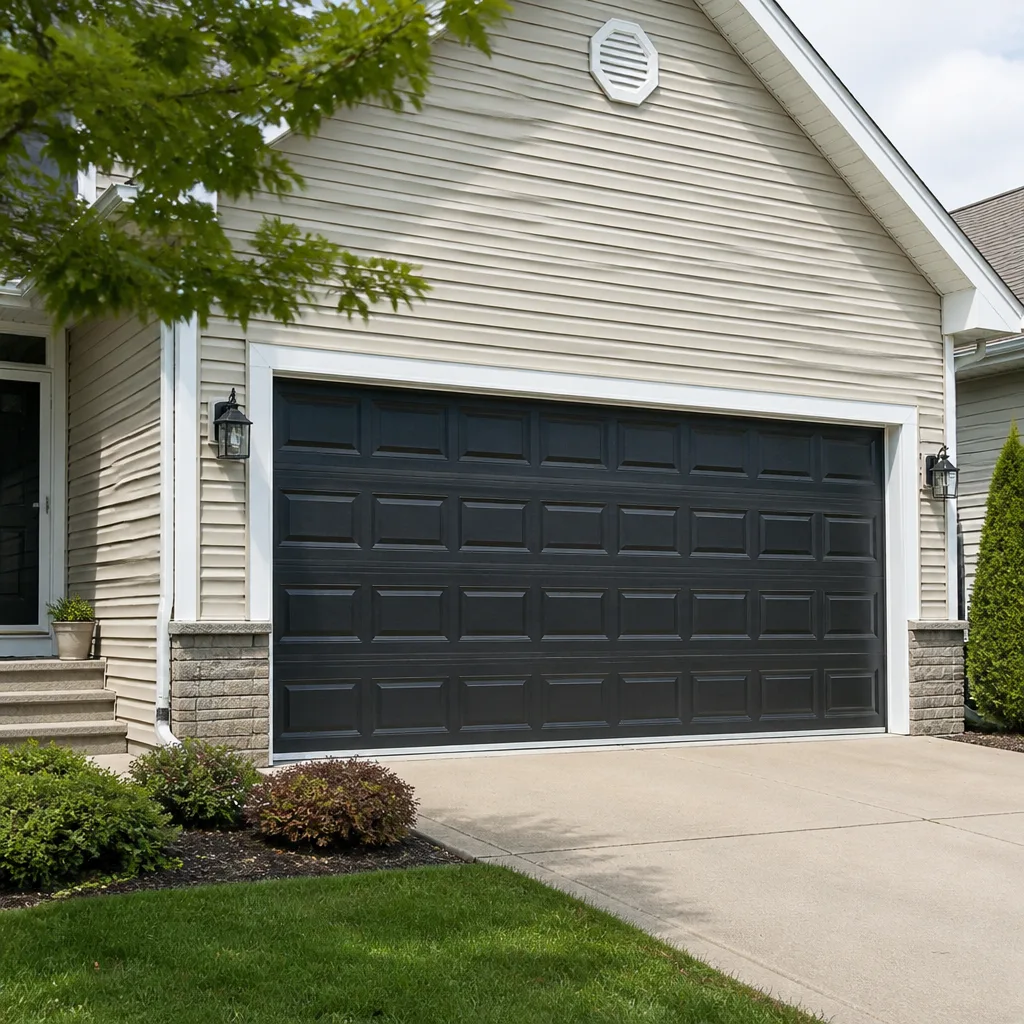 Raised-panel steel
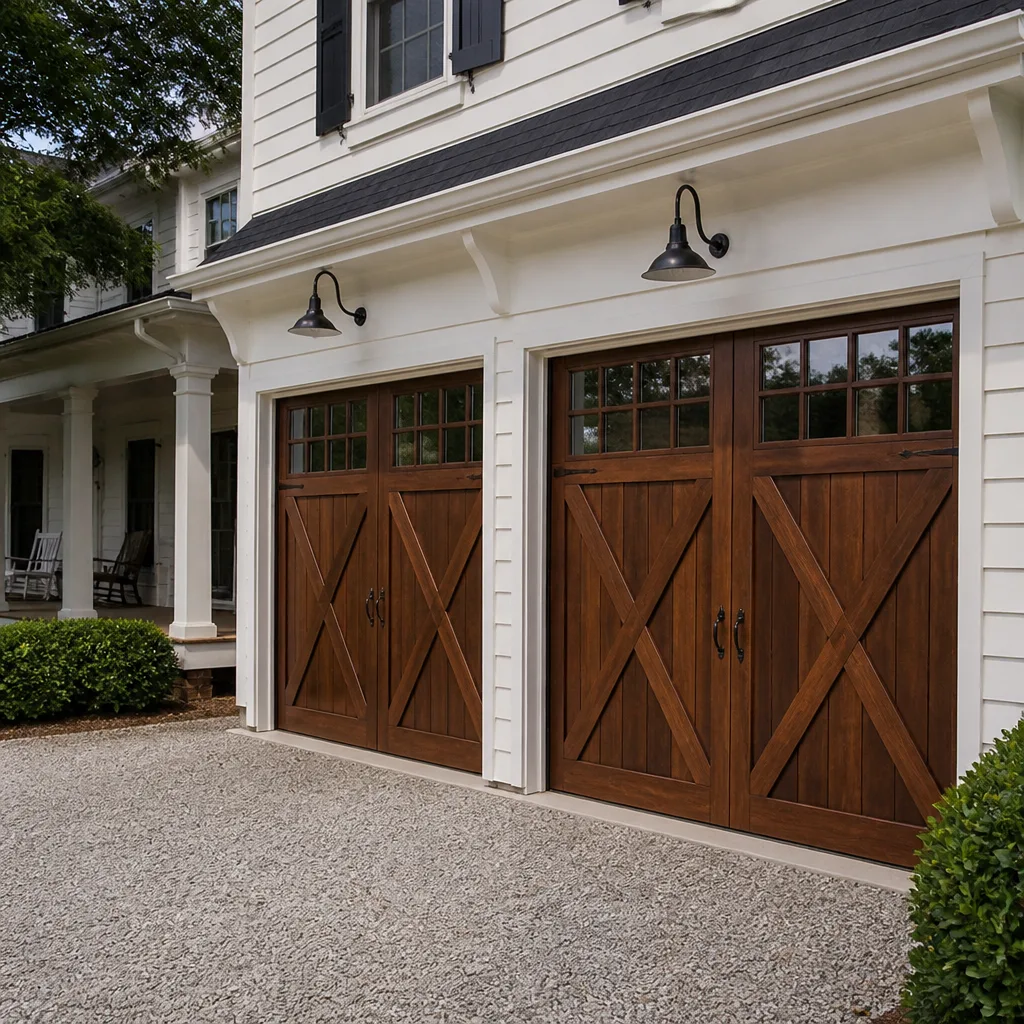 Carriage house
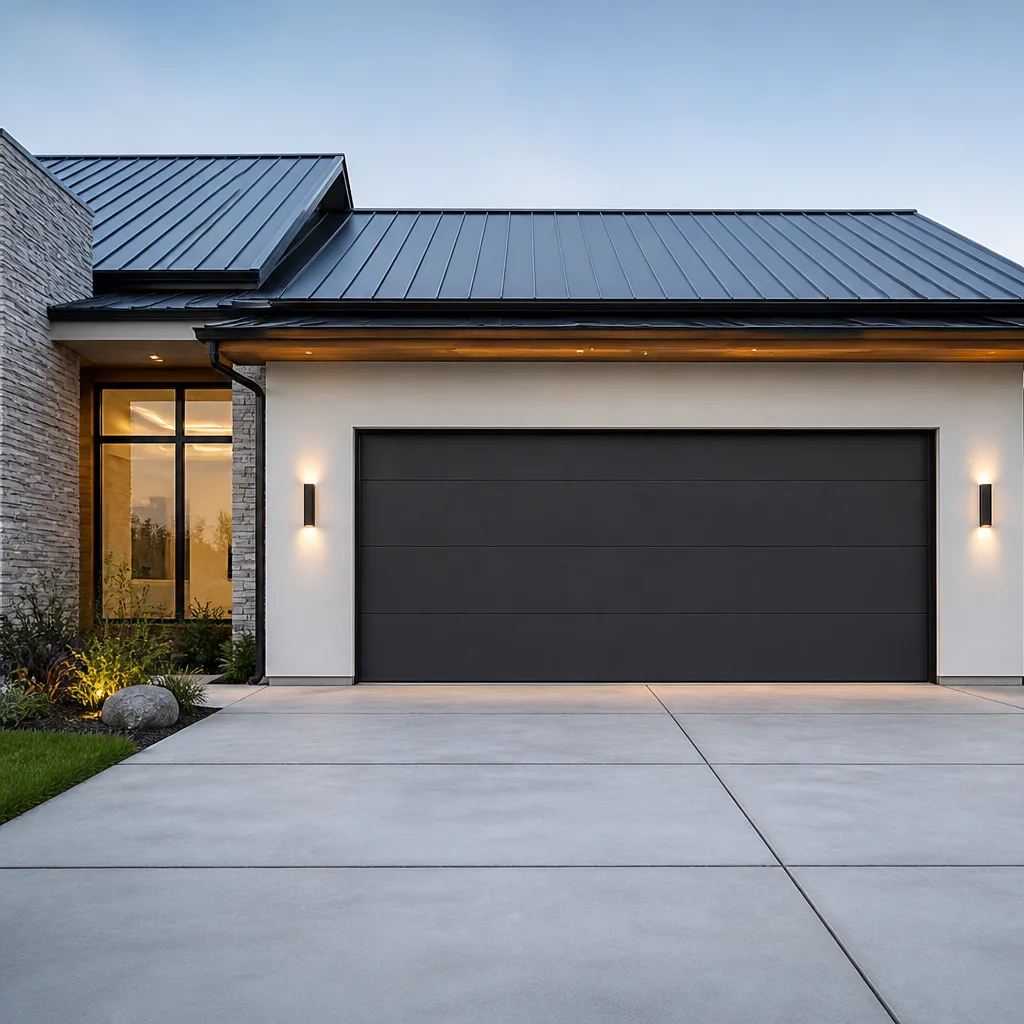 Modern flush
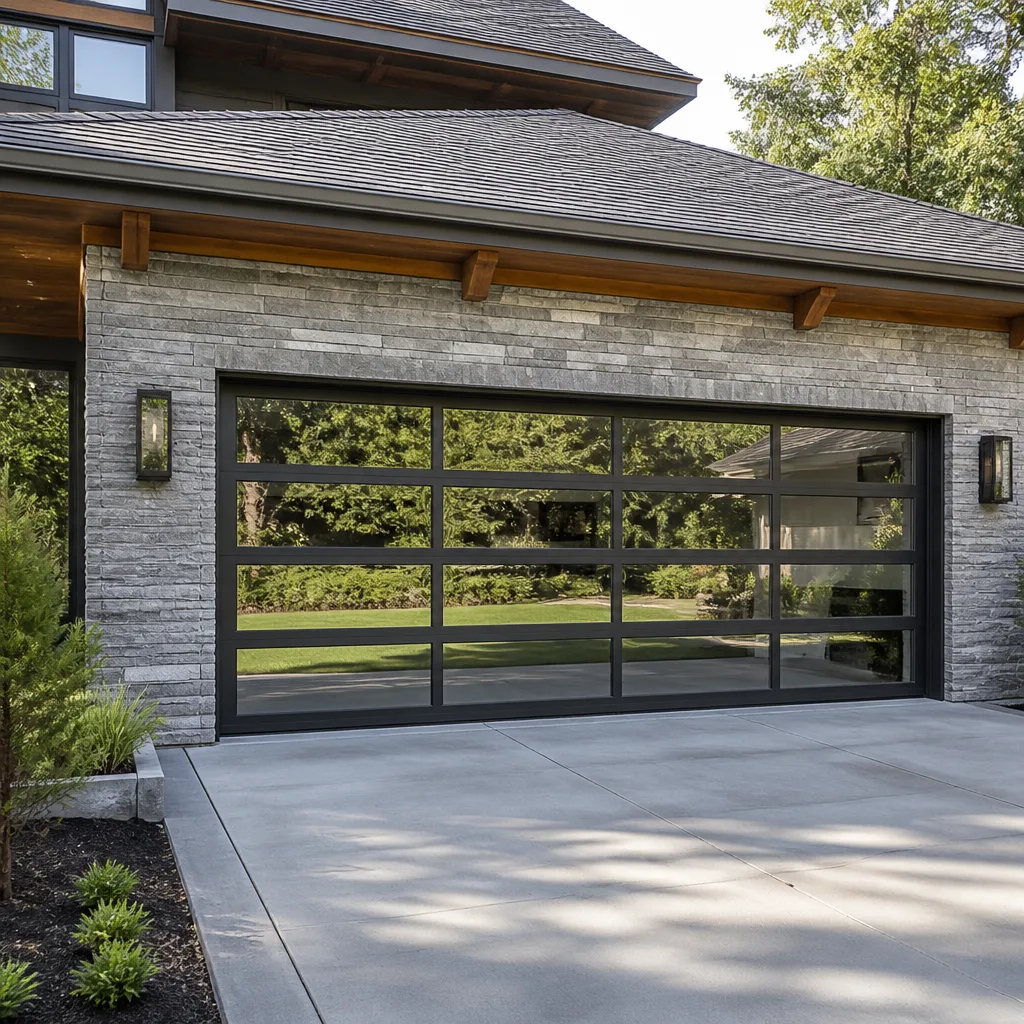 Full-view glass
 LiftMaster openers
 Chamberlain openers
Full 25-point door and opener safety check with every visit - springs, cables, rollers, tracks, and your LiftMaster or Chamberlain opener included
You get a price before we start. It does not change when the pro arrives.
Get your free estimateGarage Door Repair Maintenance Checklist for Lynnhaven Homeowners
Torsion spring adjustment shows up on a lot of DIY maintenance checklists. It’s also behind a disproportionate share of serious garage door injuries, because the spring stores enough energy to move a 150-pound door without warning. Knowing what to check is only half the job. Knowing what not to touch is the other half. In Lynnhaven, where humidity runs high through the summer and tropical systems roll through the region each year, that line between owner tasks and technician tasks matters more than a generic list would suggest. This guide draws it clearly: what you can safely do each season, what should only be inspected from a distance, and what needs a trained technician with the right tools. You’ll get a frequency schedule built for Lynnhaven’s weather, a lubrication plan that fits the local humidity, and a simple way to record what you find so you can spot wear before it becomes a breakdown.
Quick Answer
A safe garage door maintenance checklist for Lynnhaven homeowners splits into two tracks: owner tasks (visual inspection, testing the safety reverse, lubricating the hinges and rollers, tightening exposed bolts, keeping tracks clean) and technician-only tasks (spring adjustment or replacement, cable work, track realignment, opener gear and force adjustment). Check your door once a month, do a deeper seasonal pass before summer storm season, and have a technician inspect springs, cables and the opener once a year. Anything involving spring tension or a cable under load is a hands-off zone.
Styles & brands we work with
- Raised-panel steel
- Carriage house
- Modern flush
- Full-view glass
- LiftMaster openers
- Chamberlain openers
Table of Contents
- The Two-Column Checklist: What You Do vs. What a Technician Does
- Your Monthly Five-Minute Walk-Around
- Lubrication in Lynnhaven’s Humidity: Right Products, Right Points
- How to Visually Inspect Springs and Cables Without Touching Them
- A Seasonal Frequency Schedule Built for Coastal Virginia
- What a Real Inspection Should Leave Behind
- Common Mistakes to Avoid
- When to Call a Professional
The Two-Column Checklist: What You Do vs. What a Technician Does
Most checklists treat every task as if it’s equally safe. It isn’t. The dividing line isn’t about how hard the job looks. It’s about stored mechanical energy. A torsion spring is wound to counterbalance the full weight of the door, and there’s no way to release that tension by sight. Extension springs carry the same risk in a different geometry, and a cable running through them can snap back hard if something gives. That’s the reasoning behind the split below, and it’s why we draw the line where we do.
Homeowner-safe tasks:
- Visual inspection of the whole door from the floor and from a safe distance
- Testing the safety reverse feature by placing a small object in the door’s path
- Lubricating hinges, rollers, and the torsion bar bearing plates (with the door closed and the opener disconnected as instructed in your manual)
- Tightening loose bolts on the hinges and panel brackets
- Cleaning debris from the tracks with a damp cloth
- Checking that the photo-eye sensors on either side of the opening are aligned
- Listening for new sounds and noting the day you first heard them
Technician-only tasks:
- Adjusting, winding, or replacing torsion springs
- Replacing extension springs or the cables that run through them
- Realigning bent tracks or re-anchoring a track that’s pulled away from the frame
- Repairing or replacing a frayed cable
- Adjusting the opener’s travel limits and force settings
- Replacing rollers that are worn through or seized
- Diagnosing balance problems or doors that drift down on their own
The products you use for the owner tasks matter too, and we cover that further down. The point here is simpler: the tasks on the upper list are safe if you take your time and follow your door’s manual. The tasks on the lower list are not homeowner tasks in any door system we’ve worked on. When in doubt, garage door repair is a phone call, not a weekend project.
Your Monthly Five-Minute Walk-Around
A monthly walk-around catches most problems before they turn into a broken spring or a stuck door. You’re not fixing anything. You’re looking and listening. Five minutes, once a month, from the floor. Here’s the order we suggest.
- Look at the door panels from outside. Any new dents, cracks, or separation at the hinges? Storm debris and loose branches are common culprits after a windy stretch in Lynnhaven.
- Open and close the door while standing to the side. Watch for jerky motion, a door that hangs at one point in the travel, or a lag on one side. Smooth movement is the goal.
- Listen closely. Grinding, squealing, or a popping sound at the start or end of travel points to a component that needs attention. Note the date you first heard it.
- Test the safety reverse. Place a small block or roll of paper towels in the door’s path and close the door. It should reverse on contact. If it doesn’t, that’s a technician call, not a “try again tomorrow” situation.
- Check the photo-eye sensors. Are the small lenses on either side of the opening clean and pointed at each other? A spider web or a dust buildup is enough to stop the door from closing.
- Glance at the springs from the floor. You’re looking for gaps, rust, or a spring that’s clearly hanging loose. Do not reach up or try to move it. Just note what you see.
Five minutes monthly, and you’ll know your door better than most homeowners do. That knowledge pays off when something sounds different, because you’ll have a baseline to compare against. If any step turns up a problem you don’t know how to handle, garage door repair in Lynnhaven can take a look before a small issue gets bigger.
Lubrication in Lynnhaven’s Humidity: Right Products, Right Points
Lubrication gets treated as a simple chore, but the product matters as much as the point of application. In Lynnhaven’s summer humidity, a light, moisture-displacing lubricant does more for you than a heavy grease. Heavy grease traps dust and grit, and in a door that cycles several times a day, grit turns into wear. A silicone-based spray or a purpose-made garage door lubricant is the better choice for hinges, rollers, and the torsion bar bearing plates.
The reason is straightforward. High humidity means the metal surfaces of the door and its hardware are exposed to moisture for weeks at a time. A light, water-repellent film keeps rust off the bearing plates and keeps rollers turning free. A heavy petroleum grease does the opposite of what you want here: it collects dust, gets pushed around, and in some cases traps moisture against the metal underneath. If you’ve used grease in the past and see it caking at the hinges, that buildup is worth wiping off with a rag before you re-lubricate.
Points to lubricate:
- Hinges, at the pivot points between panels
- Rollers, at the stem where they meet the hinge
- The torsion bar bearing plates on either side above the door
- The opener’s rail (a light coat, per the opener’s manual)
- The lock and latch mechanism, if the door has one
Points to leave alone or wipe only:
- Tracks. Lubricating the tracks attracts grit and can cause the door to bind.
- Photo-eye lenses. Wipe clean with a dry cloth, no lubricant.
- Spring coils. Never apply anything that would stop you from seeing a rust line or a gap in the coil.
Lubricate once in spring and once in fall, and again if the door starts sounding dry mid-season. If you’re not sure your door’s hardware is still in good shape, garage door opener repair covers the drive side, and a technician can look at the full system while they’re there.
How to Visually Inspect Springs and Cables Without Touching Them
The safest spring inspection is done entirely with your eyes and your phone’s camera, from the floor. You’re not checking tension or trying to wiggle anything. You’re looking for signs of failure that should send you straight to a technician call.
What a healthy torsion spring looks like:
- A continuous, evenly wound coil with no visible gap
- No rust streaks or orange-brown staining along the length
- No distortion or flattening of individual coils
Signs the spring needs a professional look:
- A clean gap of an inch or more in the coil (this is what a broken spring looks like from the floor)
- Surface rust that’s progressed to pitting
- A door that lifts easily by hand with the opener disconnected and then drops when you let go
- A loud bang from the garage, followed by the door not opening
Cable inspection, from a safe distance:
- Look for frayed strands near the drum or at the bottom bracket
- Look for a cable that’s jumped the drum or is slack when the door is closed
- Look for rust stains running down the door face where a cable runs
Never touch a cable that’s under tension, and never put a hand anywhere near the bottom bracket while the door is down. Both are load-bearing points. If you see anything on the “professional look” list, call before you cycle the door again. Our technicians have up to 11 years of experience with torsion and extension systems, and spring repair is one of our specialties for a reason. It’s the repair most likely to cause injury when it’s attempted without training, and it’s the one we handle most often. When a spring does fail and you need help quickly, we answer 24/7 and dispatch Sunday through Friday, 7am to 7pm.
A Seasonal Frequency Schedule Built for Coastal Virginia
A generic “check it once a year” schedule undersells how much Lynnhaven’s seasons affect a garage door. The region’s humid summers, hurricane season from June through November, and the occasional hard freeze in winter all place different demands on the door. Here’s the schedule we recommend for Lynnhaven homeowners.
Monthly (year-round):
- Five-minute walk-around (see the section above)
- Safety reverse test
- Photo-eye check
Early spring (March-April):
- Spring lubrication pass
- Full visual spring and cable inspection
- Check door balance by hand with the opener disconnected
- Test the opener’s auto-reverse on obstruction
Before hurricane season (late May-early June): This one is non-negotiable. A pre-season check is the single most important maintenance step of the year in Lynnhaven. Look at how the door performs under a hard push, check the tracks for looseness or bends, and confirm the door latches and locks as intended. If you’re leaving for a trip during storm season, test the door’s manual release so you know it works. A door that’s stuck open or off its tracks going into a storm is a bigger problem than most homeowners realize.
Late summer (August):
- Second lubrication pass
- Repeat visual inspection for rust
- Check that the door opens and closes smoothly after the hottest stretch of the year
Fall (October-November):
- Third lubrication pass
- Check weatherstripping along the bottom of the door
- Test the opener’s drive system for unusual noise
Winter (December-February):
- Visual inspection for frost or ice in the tracks
- Check that the door isn’t binding on cold mornings
- Confirm the safety reverse still functions in cold weather
The pre-season check matters most, but the twice-yearly lubricant passes are close behind in value. Together they form a schedule that keeps the door responsive to the conditions it actually faces in Lynnhaven. If you’d rather have a technician handle the yearly deep inspection, a garage door installation visit isn’t required; we can inspect and report on the current system without recommending a replacement unless one is warranted.
What a Real Inspection Should Leave Behind
An inspection that doesn’t produce a written record is a missed opportunity. The goal isn’t just to catch a problem on the day. It’s to track wear over time so you can see a pattern before the component fails. Here’s the format we recommend keeping, either in a notebook in the garage or as a simple note on your phone.
What to record each time:
- Date. Every entry gets a date. That’s the anchor for everything else.
- Door motion notes. Smooth, slightly jerky, hanging at the top, noisy at the midpoint-travel. Write what you observed at the time.
- Sounds. What you heard, when in the cycle you heard it, and whether it’s new since last time.
- Visual spring and cable notes. Rust, gaps, fraying, anything that looks different from the previous entry.
- Safety reverse result. “Pass” or “Fail.” No gray area.
- Lubrication. What you used and where you applied it.
- Action taken. “No action needed,” “tightened two hinge bolts,” “called technician about a gap in the spring,” and so on.
Over a year, that log becomes a clear record of how the door is aging. A rust line that shows up in month three and is twice as long by month nine tells you something a single visual inspection can’t. It also gives a technician a much better picture when you do call, and that can shorten the time it takes to diagnose a problem. If you’re not sure what a specific observation means, note it and ask. We’re happy to talk through what you’re seeing, and garage door repair in Lynnhaven starts with a free estimate.
Common Mistakes to Avoid
- Adjusting a spring without the right winding bars. A screwdriver or a random piece of bar stock will slip out of the winding cone under load. The result is a serious injury and a damaged spring. This task belongs to a technician, not a homeowner.
- Treating grease as the answer to every noise. In Lynnhaven’s humidity, heavy grease does more harm than good on hinges and rollers. Use a light, moisture-displacing lubricant and skip the tracks entirely.
- Only looking at the door when it stops working. A monthly walk-around takes five minutes and catches most problems before they become a stuck door. Waiting for failure is the most expensive approach.
- Ignoring the pre-hurricane-season check. Storm season in coastal Virginia runs from June through November. A door that isn’t checked going into that window is a door that may fail when you need it most.
- Using a general handyman for spring or cable work. These are the two repair categories most likely to cause injury when the person doesn’t specialize in garage doors. Garage doors are all we do, which means the diagnosis and the repair are in the same hands.
- Not writing anything down. A maintenance log is the difference between “the door seems noisier than last year” and “the noise started in March and has gotten worse every month since.” The log makes the difference when you call.
- Skipping the safety reverse test. It’s the one check that protects kids, pets, and anything else in the door’s path. If it fails, stop using the opener and call a technician.
See the difference
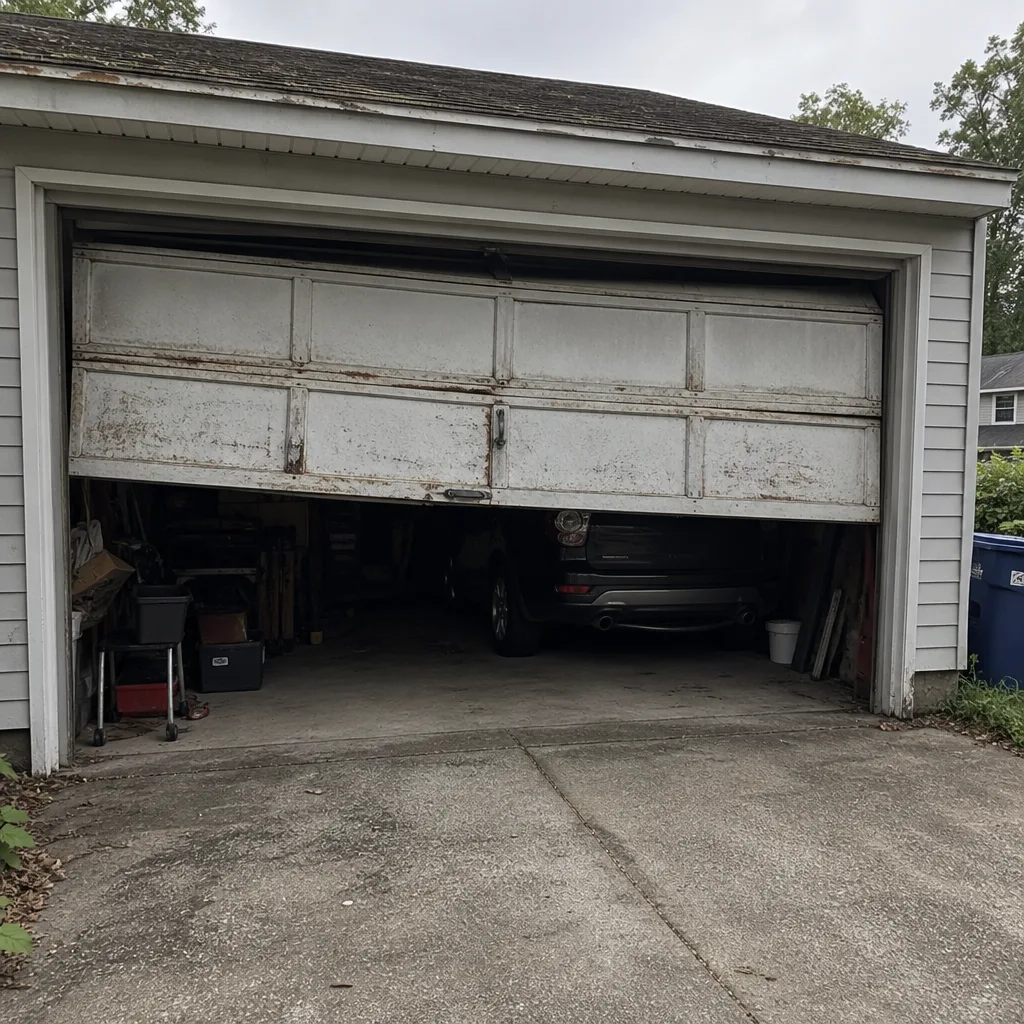 Before
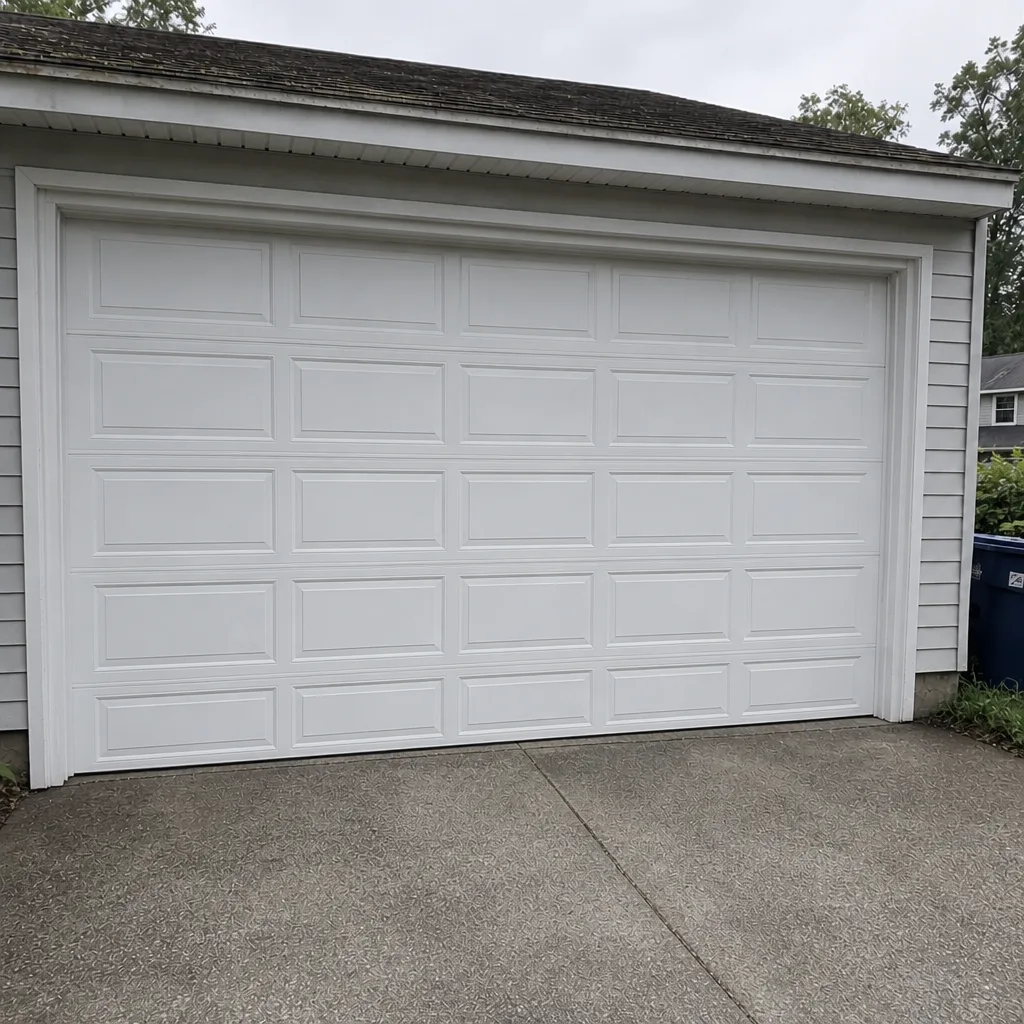 After
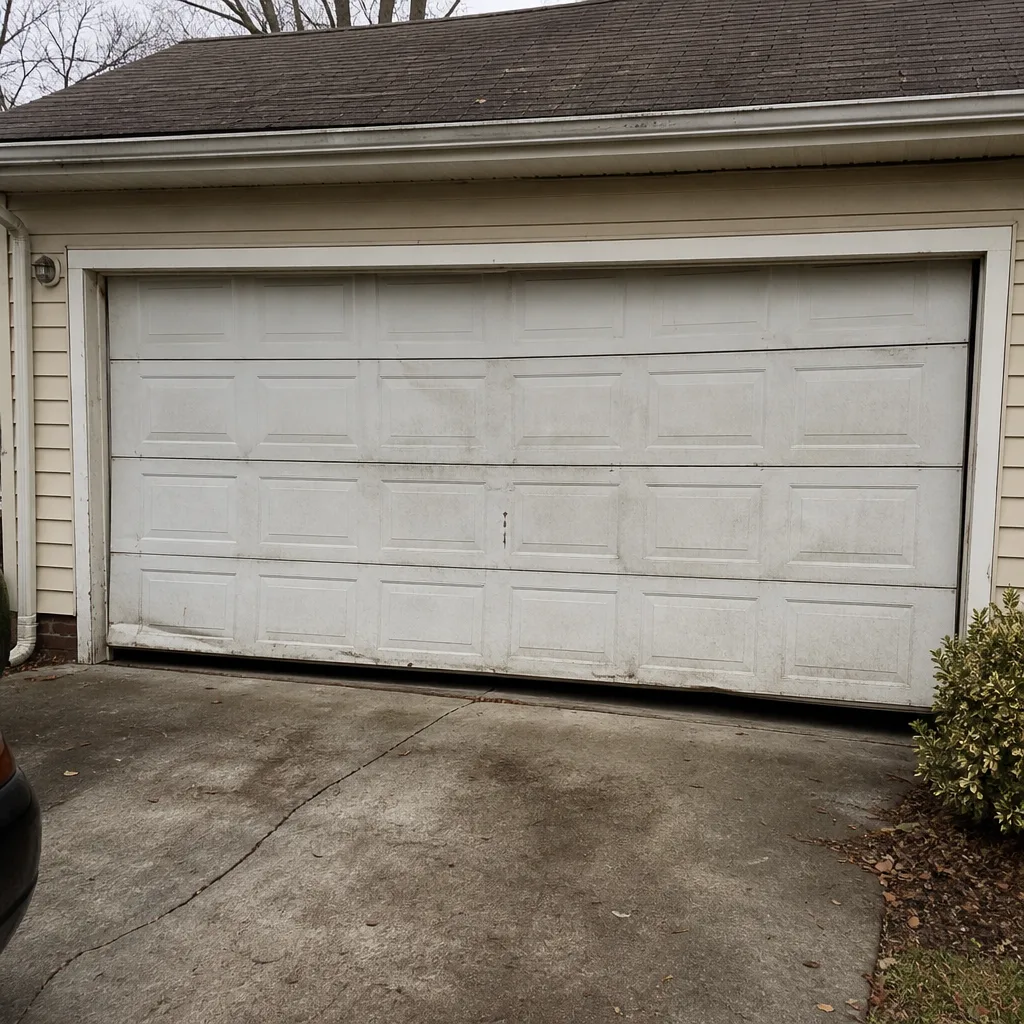 Before
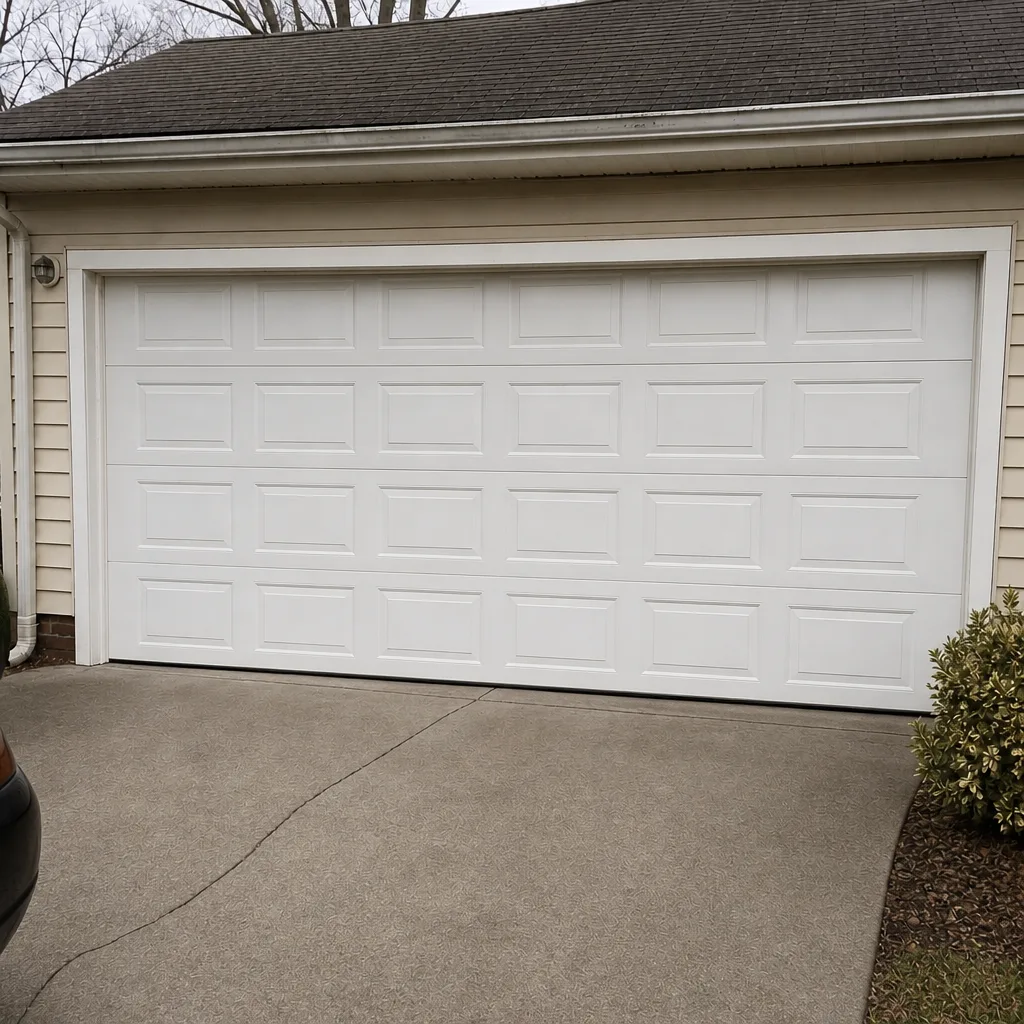 After
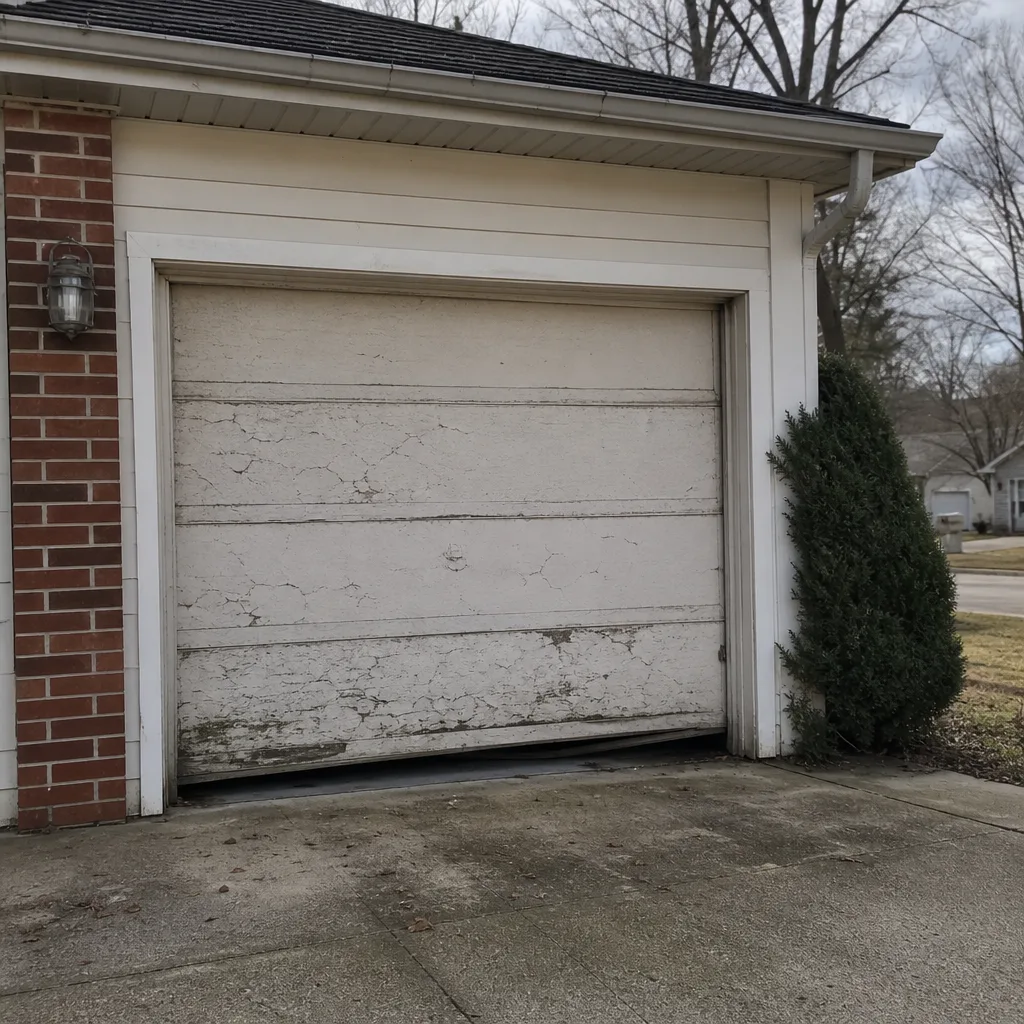 Before
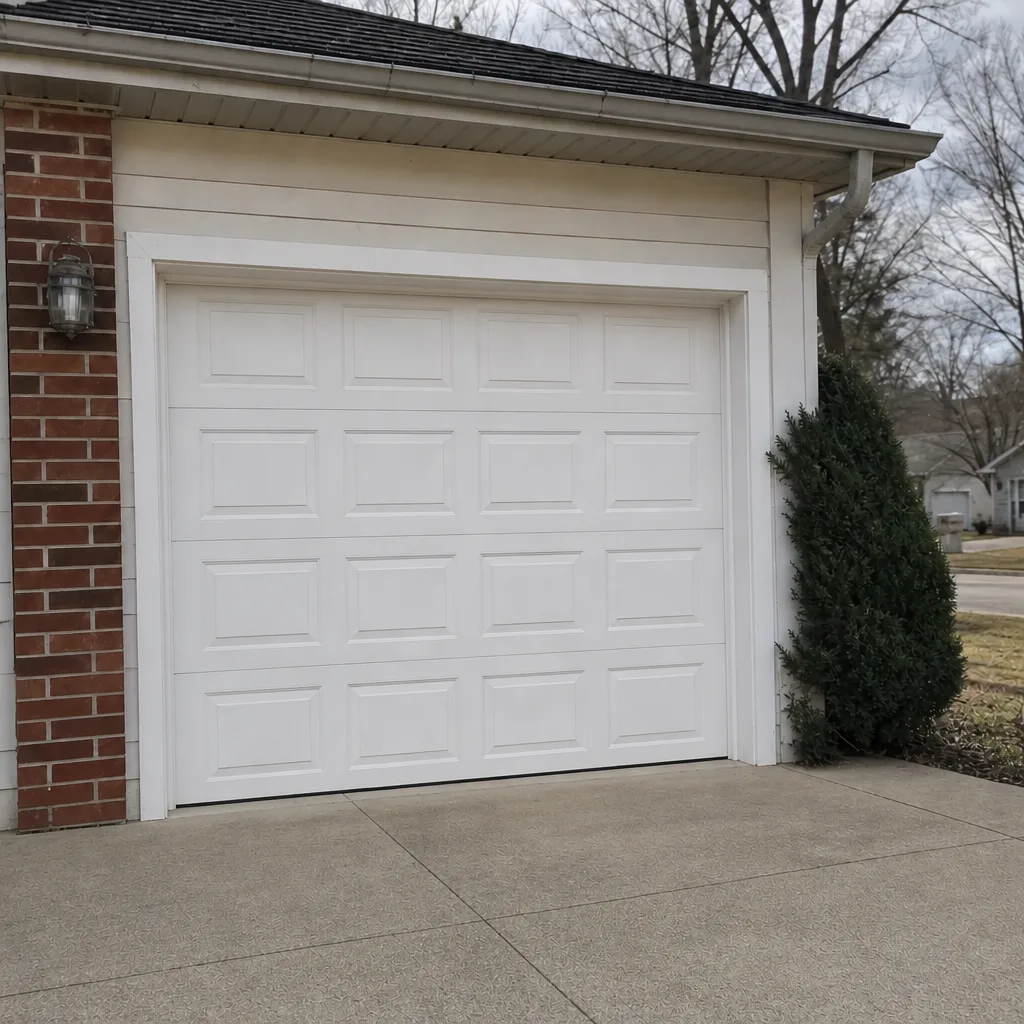 After
When to Call a Professional
Call a technician when a spring has visibly broken, when the door won’t open or close at all, when you see a frayed or slack cable, when a track has bent or pulled away from the frame, or when the safety reverse fails to trigger. Call if the door has come off its tracks or made a loud bang you can’t explain. Call before hurricane season if the door has any bend, rust, or irregular motion, because a pre-season inspection is much cheaper than a post-storm repair. And call if you’re not sure. A quick conversation about what you’re hearing or seeing is often enough to tell you whether to schedule a visit. Garage Door Repair Lynnhaven offers free estimates in Lynnhaven; call (877) 792-5898. We answer 24/7, with fast dispatch from 7am to 7pm, Sunday through Friday.
Frequently Asked Questions
Once a month for a five-minute walk-around, twice a year for a lubrication pass, and once a year for a technician inspection of springs, cables, and the opener. The pre-hurricane-season check in late May or early June is the most important single appointment of the year in Lynnhaven. If the door cycles many times a day, add a mid-season visual check. Call (877) 792-5898 for a free estimate if you’d rather have a technician handle the yearly inspection.
No. Springs should be left dry and visually inspected from the floor, not lubricated. Any lubricant on the coil makes rust or a gap harder to spot, and it doesn’t address the mechanical issue that causes most spring noise. Lubricate hinges, rollers, and the torsion bar bearing plates instead. If a spring is noisy, that’s a technician call, not a lubrication task. Call (877) 792-5898 for a free estimate.
A visual inspection from the floor once a month, with a closer look at the hinge pivot points, rollers, bearing plates, and cable runs. Look for orange-brown streaks or pitting, and note the location and date in your maintenance log so you can see whether it’s progressing. A light coat of a moisture-displacing lubricant on the bearing plates and hinges slows rust. Never apply anything to a spring coil. Call (877) 792-5898 for a free estimate if the rust is pitting the metal.
Look for a visible gap in the spring coil, rust streaks, a door that won’t hold its position when lifted halfway by hand, or a loud bang followed by a door that won’t open. For cables, look for frayed strands near the drum or bottom bracket, a slack cable, or rust running down the door face. Any of those signs means call a technician before you cycle the door again. Call (877) 792-5898 for a free estimate.
Yes. Storm season in coastal Virginia runs from June through November, and a door that’s already off-track or binding is much more likely to fail during a storm. The pre-season check catches loose tracks, bent panels, and a manual release that doesn’t work. It’s the one appointment we’d recommend not skipping. Call (877) 792-5898 for a free estimate before the season starts.
Stop using the opener and call a technician. The safety reverse is a critical safety feature that protects kids, pets, and anything in the door’s path, and it’s not something to reset and hope for the best. It’s a quick diagnostic for a trained technician and a serious liability if it’s ignored. We answer 24/7, and fast dispatch runs from 7am to 7pm, Sunday through Friday. Call (877) 792-5898 for a free estimate.
The Bottom Line
The most useful garage door maintenance checklist is one that tells you what to do and, just as importantly, what to leave alone. Your own tasks are visual, tactile, and low-risk: the monthly walk-around, the lubrication pass with the right product for Lynnhaven’s humidity, the safety reverse test, and the maintenance log that tracks wear over time. The tasks that involve spring tension or a cable under load belong to a technician, every time. Follow the season schedule, do the pre-hurricane-season check in late May or early June, and write down what you see. Between the two columns, you’ll get more years out of your door, fewer surprises, and a clearer picture of when it’s time to call for help. Our technicians have up to 11 years of experience with virtually every major brand, including Genie, Clopay, Amarr, and Wayne Dalton, and one call covers everything from a single broken cable to a full door replacement.
When something on your checklist turns into a repair, we’re the specialist to call. We answer 24/7, fast dispatch from 7am to 7pm, Sunday through Friday, and estimates are always free. The price is quoted and agreed before any work starts, so you’ll know the written estimate before we touch the door. Call (877) 792-5898 for a free estimate and we’ll take it from there.
Written by the team at Garage Door Repair Lynnhaven.