
Last updated November 22, 2026
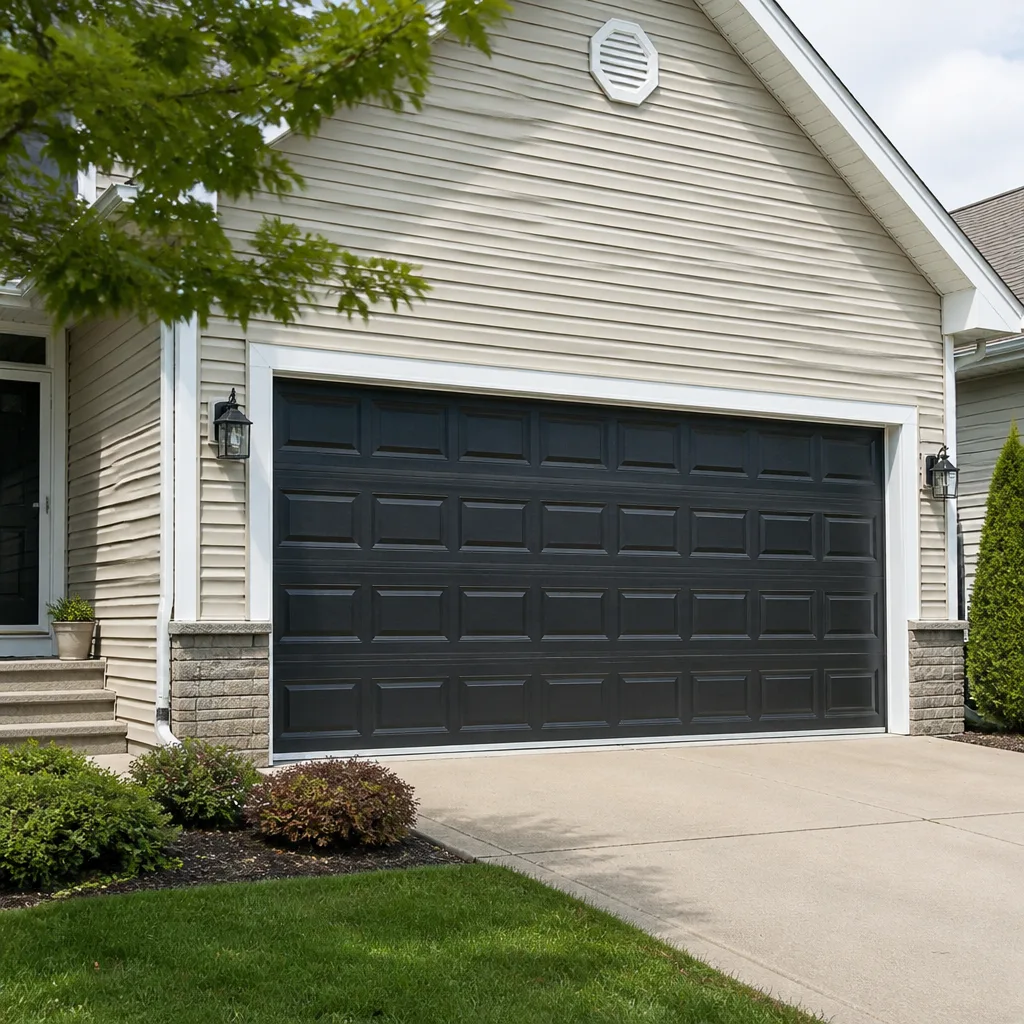 Raised-panel steel
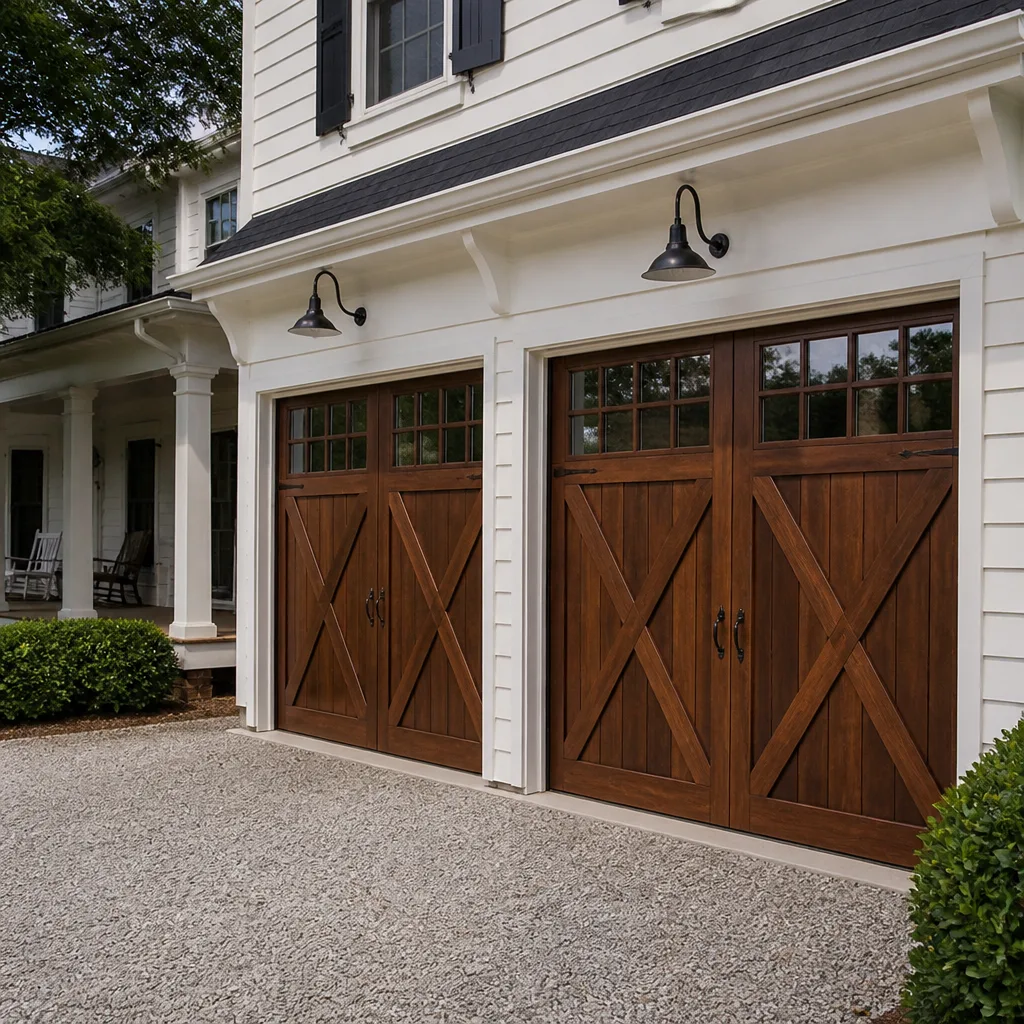 Carriage house
 Modern flush
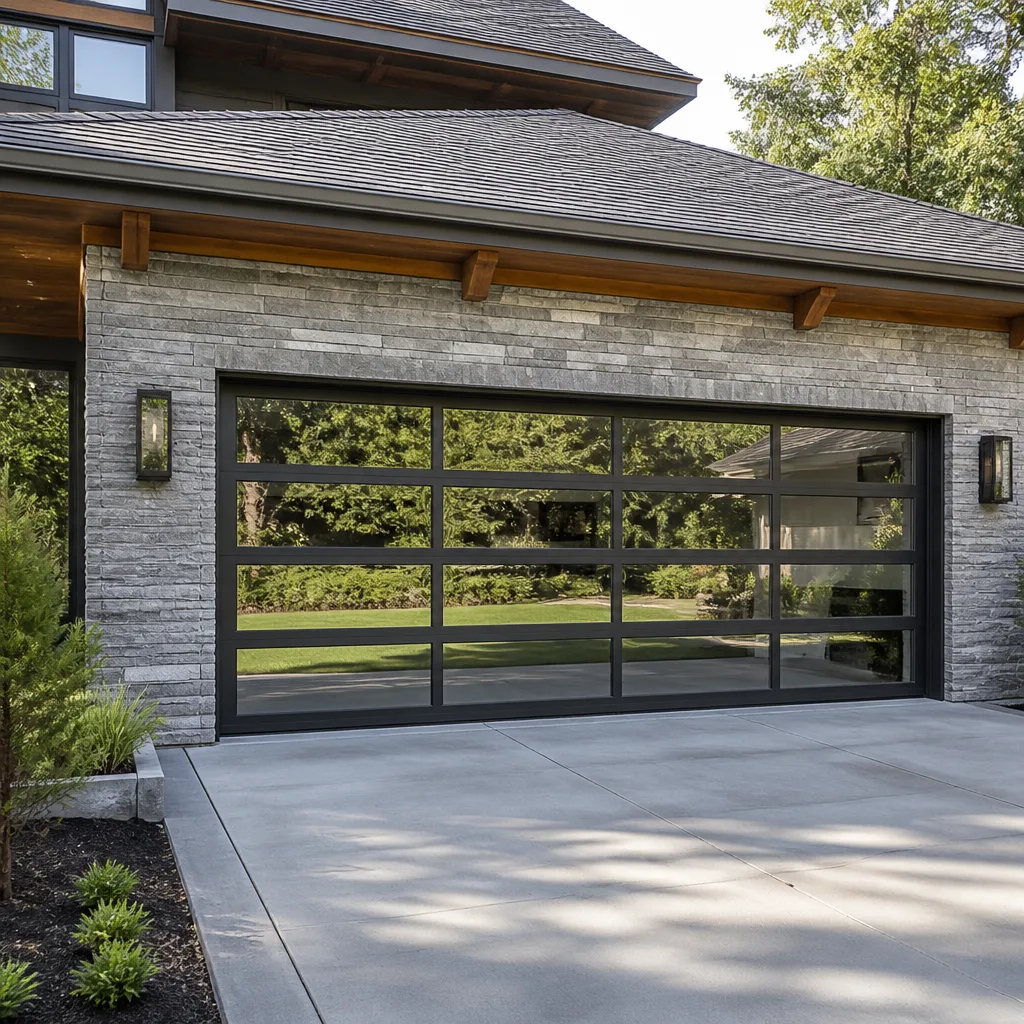 Full-view glass
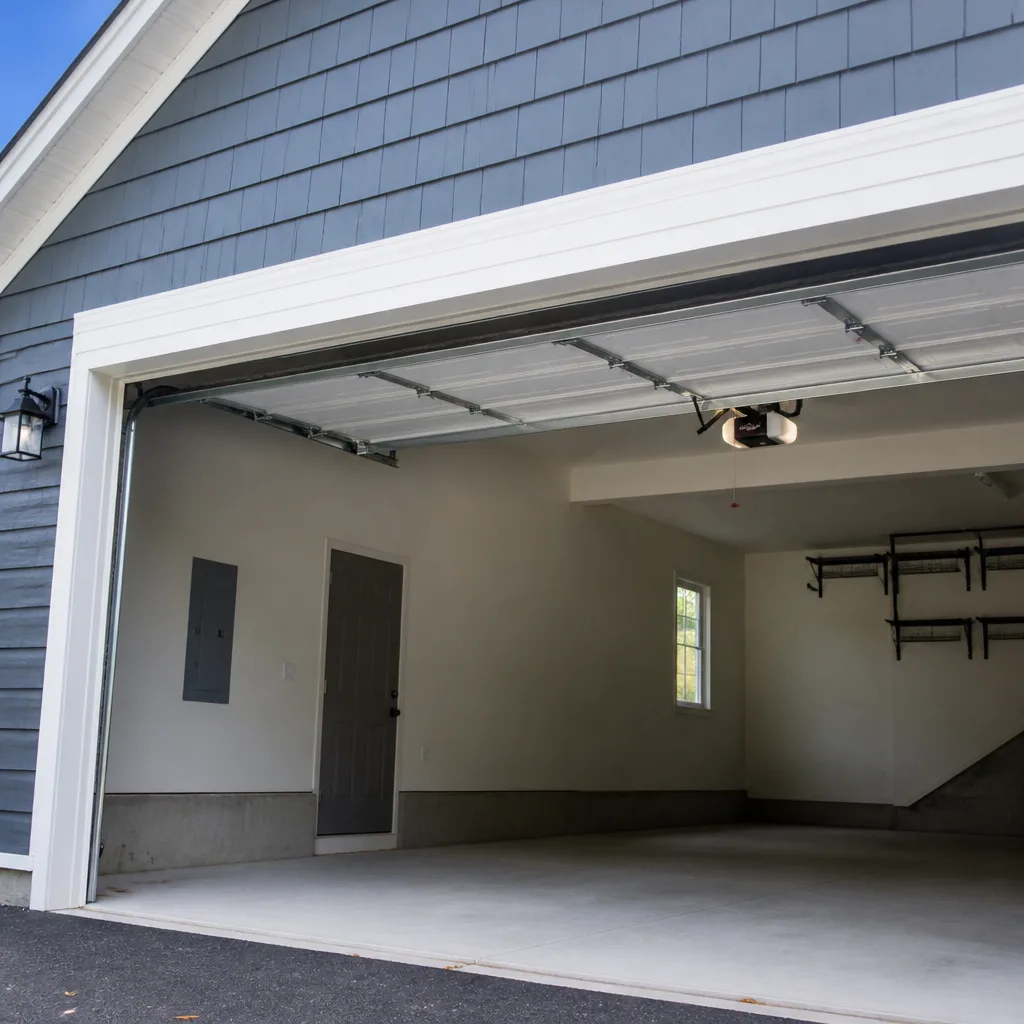 LiftMaster openers
 Chamberlain openers
Full 25-point door and opener safety check with every visit - springs, cables, rollers, tracks, and your LiftMaster or Chamberlain opener included
You get a price before we start. It does not change when the pro arrives.
Get your free estimateGarage Door Permits, Codes & Inspections in Lynnhaven, VA: What You Need to Know
Most homeowners in Lynnhaven assume a garage door replacement is simple: the old door comes out, the new one goes in, and nobody needs to call the city. That assumption creates problems later. In Virginia Beach, a garage door is a rated structural component of the building envelope, and the rules around replacing one are stricter than a like-for-like swap on paper or a new opener in the driveway. If you replaced a door without a permit and it fails during a hurricane, your homeowner’s insurance claim can be contested and a buyer’s inspector can flag it at resale. This guide explains when a permit is actually triggered, what wind-load ratings mean in Lynnhaven’s wind zone, what a building inspector checks, and how the permit process works.
Quick Answer
In Lynnhaven and the rest of Virginia Beach, a garage door replacement generally needs a building permit when you change the door’s size, weight, design pressure rating, or the track and header attachment, and it is usually treated as a like-for-like swap with no permit only when the new door matches the old one’s specifications exactly. The inspection checks header reinforcement, track attachment, and the opener’s safety features, not just that the door opens and closes. Because Virginia Beach sits in a higher wind zone, the door’s rated design pressure must meet or exceed what the code requires for the home’s location.
Styles & brands we work with
- Raised-panel steel
- Carriage house
- Modern flush
- Full-view glass
- LiftMaster openers
- Chamberlain openers
Table of Contents
- When Does a Garage Door Replacement Need a Permit in Lynnhaven?
- Wind Load Requirements and the Virginia Beach Wind Zone
- What a Building Inspector Actually Checks
- How Unpermitted Work Affects Insurance and Resale
- The Permit Application and Inspection Process, Step by Step
- Who Pulls the Permit: Contractor or Homeowner?
- Common Mistakes to Avoid
- Frequently Asked Questions
When Does a Garage Door Replacement Need a Permit in Lynnhaven?
The threshold comes down to one question: is the new door the same as the old one in the ways the building code cares about? A like-for-like replacement, same size, same weight, same rated design pressure, same hardware and spring configuration, is usually treated as a routine repair. Anything beyond that is a change to the building envelope, and in Virginia Beach that means a permit and a final inspection.
Here is where the line typically falls:
- No permit, usually: Replacing a single broken torsion spring, a snapped cable, a bent track section, a worn roller, or a failed opener with an equivalent model.
- Permit usually required: A full door replacement where the size, material, or design pressure rating changes.
- Permit usually required: Any change to the opening itself, such as widening the rough opening or moving the mounting points for the torsion bar.
- Permit usually required: Header or framing reinforcement, adding a reinforced strut where there was none, or altering how the track is anchored to the structure.
- Permit usually required: Converting a manual door to an opener-driven door where no opener was previously installed.
- Check first, don’t assume: Swapping a basic steel door for an insulated or heavier door. The added weight changes the load on the springs, the header, and often the rating, and a heavier door frequently needs a different track system.
These are the general rules, and they are the ones that matter in Lynnhaven because most of the housing stock here is older. Neighborhoods like Little Neck, Wolfsnare, and the streets off Great Neck Road have a lot of replacement work happening now, and a well-meaning homeowner swapping a door that “looks the same” can still trip a permit requirement if the new door’s rated design pressure is different from the old one. The written specification sheet is what decides it, not appearances.
For a repair that stays under the threshold, we handle the work through garage door repair with a written estimate agreed before any work starts. For a full replacement, the right first step is a free measure so the permit question can be settled with the actual door specifications in hand.
Wind Load Requirements and the Virginia Beach Wind Zone
Virginia Beach is in a high wind region, and garage doors are tested against a design pressure rating, measured in pounds per square foot. A garage door is the largest moving opening in a house, and when wind pressure builds against it during a storm, the door either holds or it becomes an opening. That is why the code treats it as a structural element and why the door you install must meet or exceed the rated pressure the code assigns to your home’s location.
What this means in practice:
- The door’s label carries the rating. Look at the door’s specification sheet or its permanent label. That number is what the inspector and your insurer care about, not color, panel style, or brand name.
- A higher rating is not automatically better for your header. A door rated far beyond what the opening is built to carry can strain framing that was never sized for it. Matching the door to the opening is the point.
- Insulated and heavier doors often need a higher-rated track and anchor system. The door itself and the installation system are two separate things, and both have to be rated for the load.
- The inspector will want to see the rating on paper. Keep the manufacturer’s specification sheet for the door you install, along with the permit records. It’s the document that answers the rating question years later.
In Lynnhaven, storm season is the reason this detail matters. A garage door that failed its rated pressure during a hurricane is a door the insurer will look at closely, and a door installed without a permit and without documented rating is a door with no paper trail at all. When we install a door, we install from brands sold through professional channels, including Clopay, Amarr, Wayne Dalton, and Raynor, and those brands publish the rating for each model. If a homeowner buys a door from a big-box store and the box doesn’t state a pressure rating, that door is the wrong door for this region, full stop. Our garage door installation process starts with a free measure and a written price that names the door’s rating before anything is ordered.
What a Building Inspector Actually Checks
The inspection isn’t a test drive. An inspector isn’t looking at whether the door glides quietly or whether the opener remote works from the driveway. They’re checking whether the installation meets code on the details that keep the door attached to the house and the opener safe to operate. In our experience, most failed inspections come down to attachment and labeling, not to the door itself.
Here’s what typically gets examined:
- Header reinforcement. The inspector confirms the header above the opening can carry the door’s weight and the torsion system’s load, and that any reinforcement specified on the plans is actually there.
- Track attachment. The vertical and horizontal tracks need to be anchored into framing, not just into drywall or thin sheathing, and the anchors need to be appropriate for the load.
- Torsion bar and spring mounting. The spring system has to be mounted to a solid backing plate or the framing, aligned, and installed with the correct hardware.
- Opener safety reversal. An automatic opener must reverse when it meets an obstruction. The inspector will test it, and the door needs to be adjusted so the reversal works correctly.
- Photo-eye safety sensors. The sensors mounted near the floor must be present, aligned, and wired so that breaking the beam stops and reverses the door.
- Door rating documentation. The door’s design pressure rating needs to be verifiable against what the permit described, usually through the label or the spec sheet.
- Emergency release. For an attached garage, the manual release must be reachable and working, so the door can be operated by hand if the opener fails.
If the inspector flags an item, the fix is usually small and specific: add an anchor, adjust the reversal force, mount a sensor bracket. What makes it costly is when the original installation was done without a permit and the paperwork doesn’t exist. The building department can’t certify work it never saw. If your opener itself is the failing item and the door is fine, that’s a separate repair through garage door opener repair, and we work on virtually every major drive system, including LiftMaster and Chamberlain models.
How Unpermitted Work Affects Insurance and Resale
A homeowner’s insurance policy is a contract built around disclosure, and unpermitted structural work is one of the ways that contract gets complicated. This isn’t hypothetical in Virginia Beach, where storm claims on garage doors are common and adjusters ask for documentation. If your door was replaced without a permit, the insurer may question whether the installed door met the wind rating the code requires for your location, and that can slow or reduce a claim.
The resale side works the same way. Virginia requires sellers to disclose known defects and material facts, and buyers routinely have inspections done. A garage door replacement that shows up in county records as an unpermitted change becomes a negotiating item, a delay, and sometimes a demand that the work be permitted retroactively, which means opening up finished work so it can be inspected.
What to keep on file instead:
- The building permit number and the final inspection record for any door replacement.
- The manufacturer’s specification sheet showing the door’s design pressure rating.
- The written estimate and invoice that identify the door model installed.
- The opener’s model and installation date, if a new opener went in at the same time.
When the paperwork is complete, all of this takes about five minutes to produce. When it isn’t, it turns into a conversation with an adjuster or a buyer’s attorney. We’ve seen both ends of it, and the difference is almost always whether someone asked the permit question before the work started.
The Permit Application and Inspection Process, Step by Step
For most homeowners, the process is straightforward once they know the sequence. The exact forms, fees, and timelines are set by the City of Virginia Beach, so the numbers on your application come from the city, not from us. Here’s the order the work usually follows in Lynnhaven:
- Confirm the door specification first. Before anything else, get the new door’s model, size, weight, and design pressure rating. This is what tells you whether the job triggers a permit and what the application will describe.
- Check with the city’s building department. Call or check the Virginia Beach permits office and describe the work: replacing a garage door of X size with a door of Y rating. Ask directly whether it’s treated as a like-for-like repair or as a permitted replacement. Get the answer from the department that will inspect it.
- Submit the permit application. The application will ask for the property details, a description of the work, the door’s specification, and often a product data sheet. Expect to identify the contractor if a contractor is performing the work.
- Pay the permit fee. Fees are set by the city and vary by the scope of the project. The permit office will quote the exact amount when your application is processed.
- Have the work performed. The door, track, springs, and any opener are installed to the permitted specification. If anything changes during installation, the permit has to reflect it before the inspection.
- Request the inspection. Once the work is done, the permit holder calls for the inspection. The inspector visits, checks the items listed above, and either signs off or issues a correction notice.
- Keep the signed inspection record. The final approved inspection is the document that protects you at resale and with your insurer. File it with your home records.
Two practical notes for Lynnhaven homeowners. First, the inspection has to happen while the work is accessible. If the drywall gets closed up or the header gets boxed in before the inspector sees it, the work may need to be re-opened. Second, the timeline from application to inspection depends on the city’s current queue and on whether corrections are needed, so build the schedule around that rather than assuming a fixed number of days. If your existing door has failed and you can’t wait for a permit cycle to resolve, emergency response covers the security and access problem, and we can talk through how the replacement and the permit get sequenced.
Who Pulls the Permit: Contractor or Homeowner?
This is where a lot of confusion happens, and it has real consequences. A permit can be pulled by the homeowner acting as their own contractor, or by a licensed contractor performing the work. The person who pulls the permit is the person legally responsible for making sure the work matches it and the inspection gets done. If you pull it yourself, that responsibility is yours, including the correction notice if the work fails.
In practice, homeowners do one of three things:
- Pull it themselves and hire separate trades. This works, but it means the homeowner is coordinating the door installer, the inspection schedule, and any corrections. The permit is in the homeowner’s name.
- Hire a contractor who pulls the permit. The contractor applies, does the work, and calls for the inspection. The permit records show who did the work, which is the cleanest paper trail at resale.
- Install without a permit and hope it’s not caught. This is the option that creates the insurance and resale problems described above. It saves a fee and a visit now, and the cost shows up later.
Our position on this is simple: ask the question before the work, not after. A written estimate should tell you whether the job involves a permit and who is responsible for pulling it. The local professionals we connect homeowners with are licensed and insured as their state requires, and they can walk through the permit sequence with you. Our technicians have up to 11 years of experience with the attachment, rating, and opener safety details inspections focus on, and the same conversation applies whether you’re replacing one door or a pair.
Common Mistakes to Avoid
- Assuming “same size” means “like-for-like.” A door that’s the same dimensions in a different material or rating is a different door under the code. Check the specification sheet, not the tape measure.
- Buying a door with no stated design pressure rating. In Virginia Beach’s wind zone, an unlabeled door is a door you can’t document to an inspector or an insurer. Insist on the rating in writing before you buy.
- Replacing the door and not the track and springs. A heavier door on the original hardware is a failure waiting to happen. The door and its support system are a matched set.
- Closing up the header before inspection. If the work needs to be visible, don’t finish it. A re-inspection costs time, and the inspector’s schedule is not in your control.
- Skipping the opener safety test. The reversal and photo-eye features are inspected for a reason. A door that reverses too late or ignores a blocked beam is a genuine hazard, especially in households with children or pets.
- Not keeping the paperwork. The permit number, the final inspection, and the door’s spec sheet are the three documents that matter. Keep them all together with your home records.
- Assuming the permit is the installer’s problem. Whoever pulls the permit owns the outcome. If the answer is “the installer handles it,” get that in writing in the estimate.
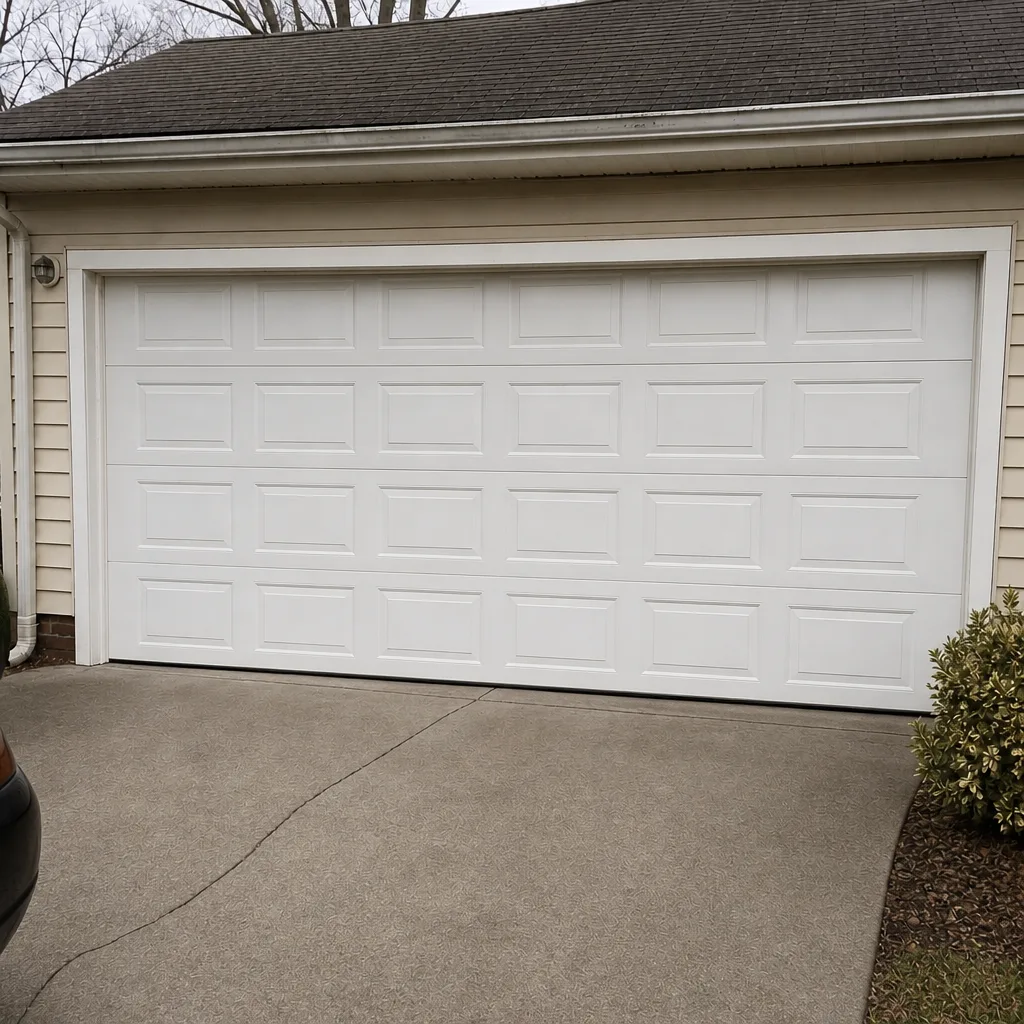
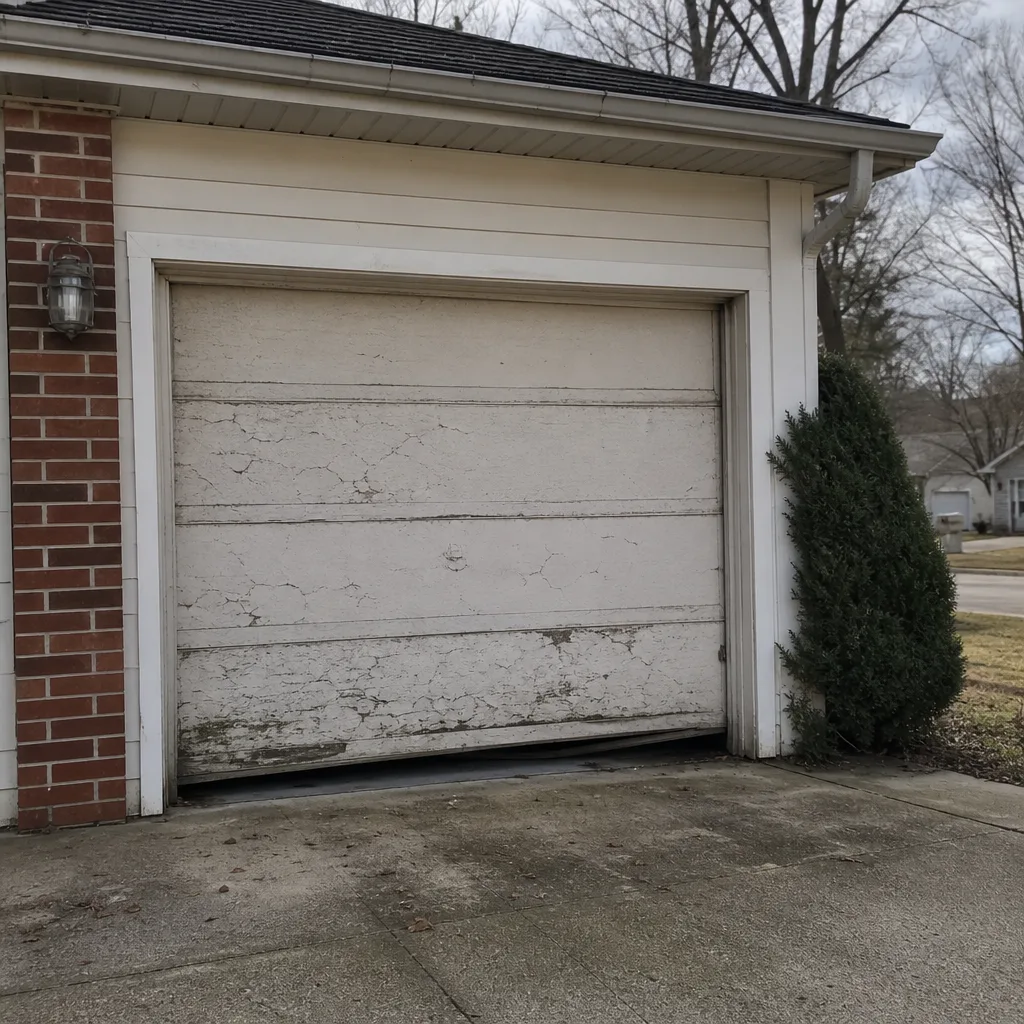
See the difference
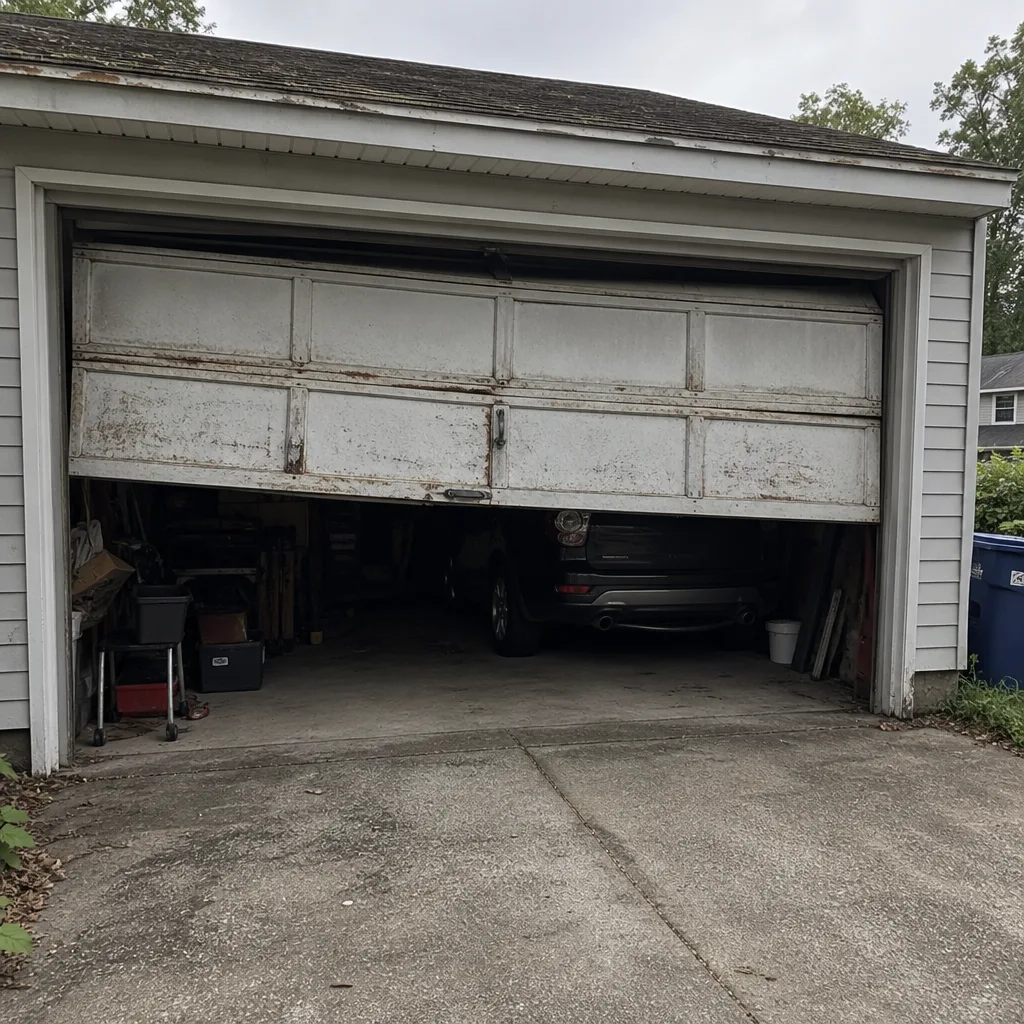 Before
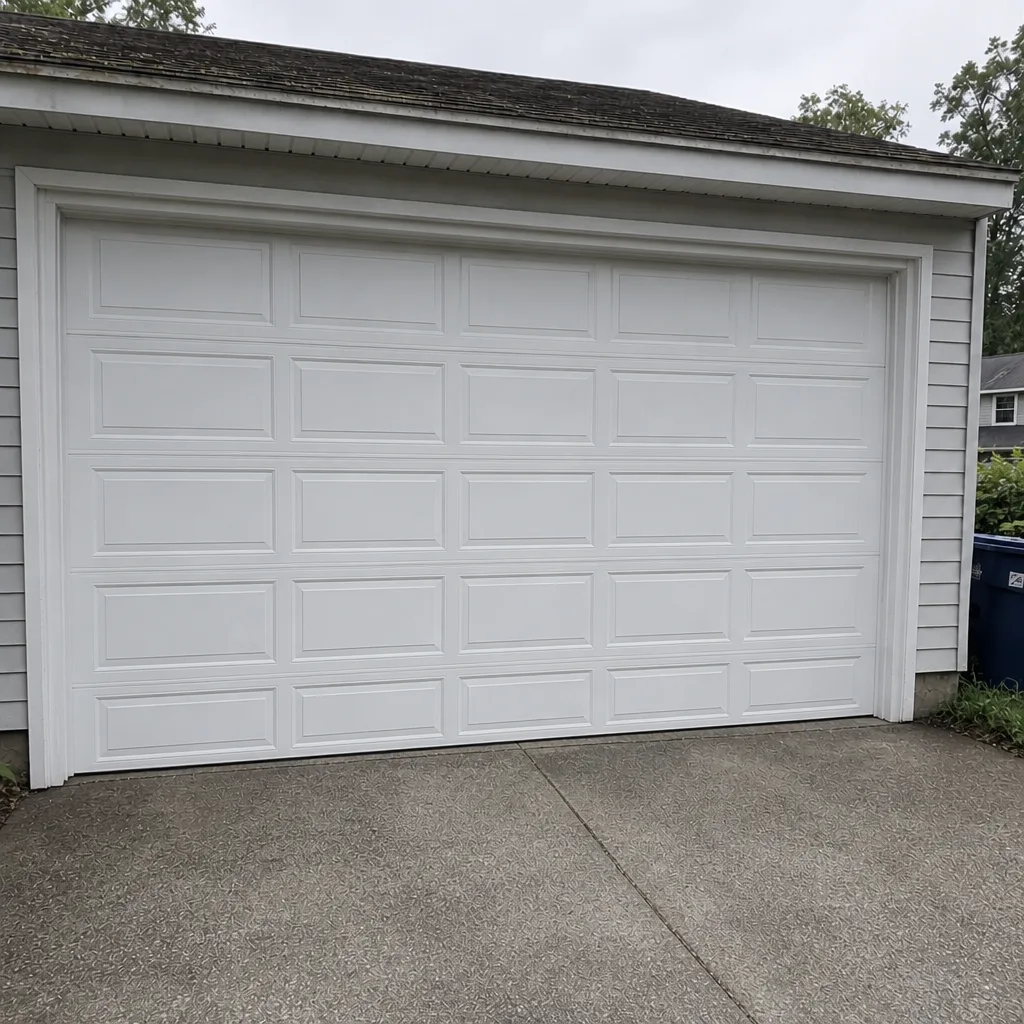 After
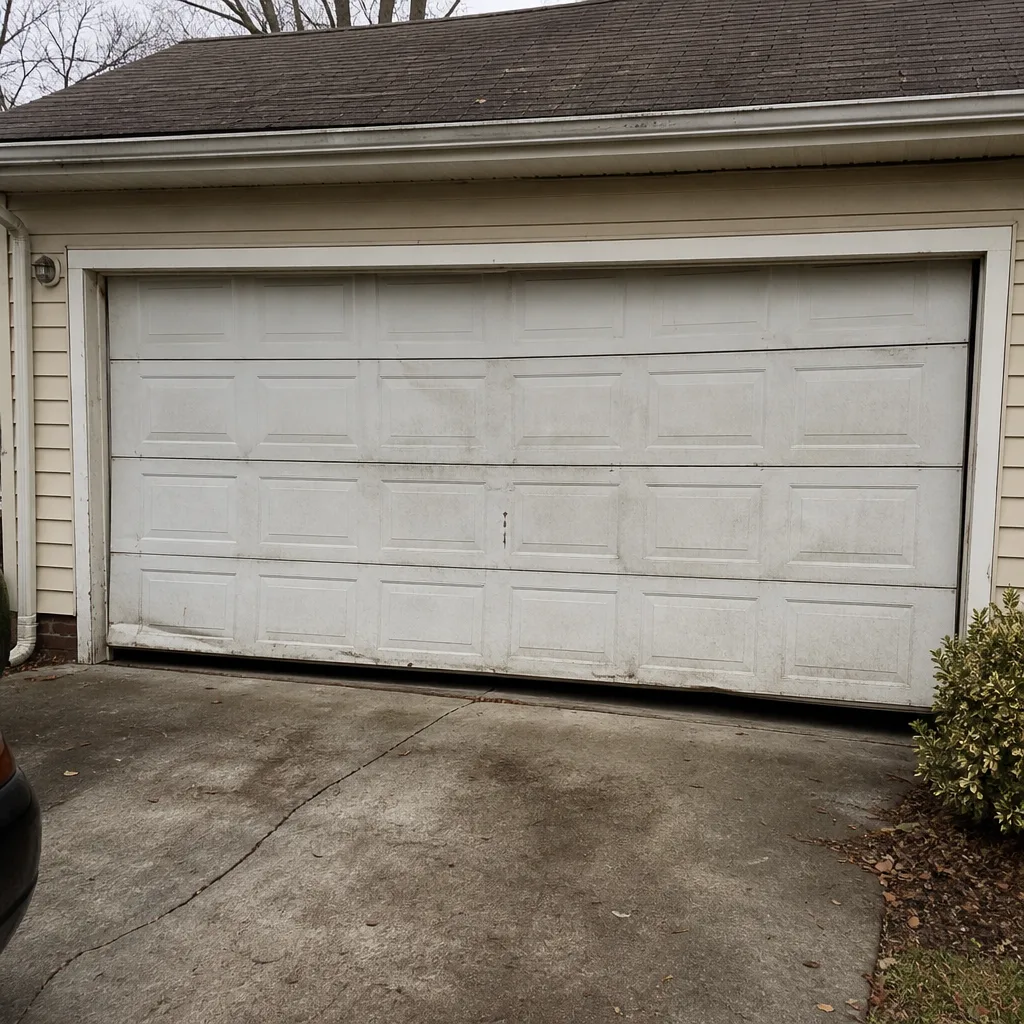 Before
 After
 Before
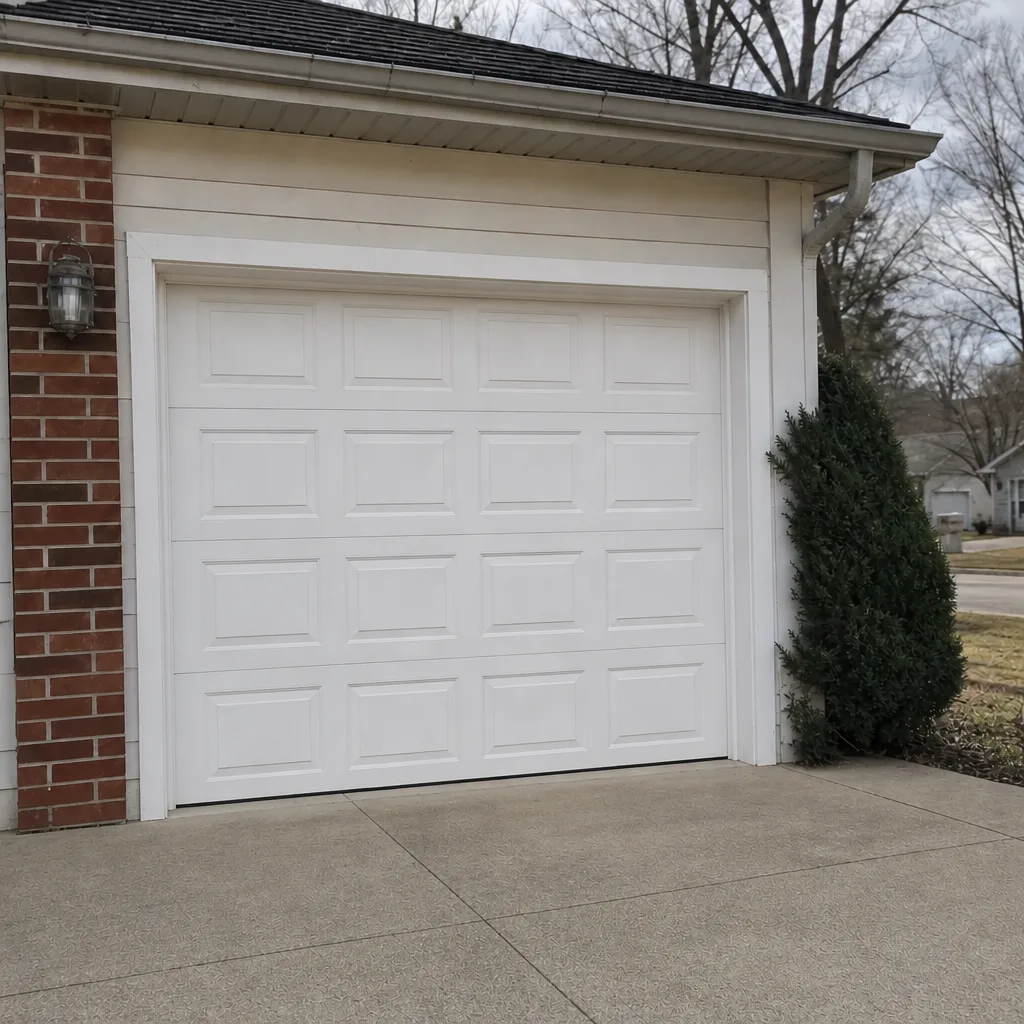 After
When to Call a Professional
Some garage door work is genuinely dangerous, and spring replacement is the clearest example. Torsion springs are under extreme tension, and a spring that slips or a cable that snaps while you’re working on it causes serious injury. That’s a job for a trained technician, every time. The same goes for anything involving the structural attachment, the header, or the track anchors, because those are the items an inspector will check and the items that hold the door in place during high wind. If your door is off its tracks, jammed, or hanging, don’t try to force it open or closed. And if you’re facing a replacement and unsure whether a permit applies, settling that question first saves a lot of cleanup later. Garage Door Repair Lynnhaven offers free estimates in Lynnhaven. Call (877) 792-5898. We answer 24/7. Fast dispatch from 7am to 7pm, Sunday through Friday.
Frequently Asked Questions
Often yes. A garage door replacement typically needs a permit when the door’s size, weight, material, or design pressure rating changes, or when the track and header attachment are altered. A true like-for-like swap of an identical door is usually treated as a repair. Confirm the answer with the Virginia Beach building department, using the new door’s specification, before you buy. Call us at (877) 792-5898 if you want help reading a door’s spec sheet before you call the city – estimates are free.
It has to meet or exceed the design pressure the code assigns to your home’s location in Virginia Beach’s wind zone, and the rating is set by the building department. The door’s permanent label or specification sheet states its rating in pounds per square foot. Ask the city or a licensed installer for the figure that applies to your address before ordering. For an exact quote on a rated door, call (877) 792-5898.
An inspector checks header reinforcement, how the track is anchored to framing, the torsion bar and spring mounting, the opener’s safety reversal, the photo-eye sensors, the emergency release, and the door’s documented design pressure rating. It’s a structural and safety inspection, not a test of how smoothly the door operates. Call (877) 792-5898 if you’d like an estimate on repairs that would help your door pass inspection – estimates are free.
You can pull a permit as a homeowner acting as your own contractor, but you take on the coordination, the inspection, and any corrections. Spring replacement and track work carry real injury risk, so the door hardware itself belongs with a trained technician. Call (877) 792-5898 to get a written estimate and talk through who should pull the permit – estimates are free.
It can. If a garage door fails during a storm and the work was never permitted or documented, the insurer may question whether the door met the wind rating the code requires, which can slow or reduce a claim. Keep the permit number, the final inspection, and the door’s spec sheet on file. Call (877) 792-5898 if you need the door replaced correctly and documented – estimates are free.
The timeline is set by the City of Virginia Beach and depends on their current queue and whether corrections are needed, so build your schedule around their answer rather than a fixed number of days. Ask the permit office for the current expected timeline when you apply. And if your door has already failed and you need it secured, call (877) 792-5898. We answer 24/7. Fast dispatch from 7am to 7pm, Sunday through Friday.
The Bottom Line
The permit question is not a technicality. In Lynnhaven, it’s the difference between a garage door replacement that protects you and one that creates problems at the worst possible moment. Confirm whether your job is a like-for-like repair or a permitted replacement, using the new door’s actual specifications. Match the door’s design pressure rating to what the Virginia Beach wind zone requires for your address. Keep the permit, the final inspection, and the spec sheet together. And when in doubt, ask the building department before the work starts, because asking later is the harder conversation. A door replacement that’s correctly permitted and correctly documented is the one that holds up when the storm comes and when the house changes hands.
Garage Door Repair Lynnhaven specializes only in garage doors and openers, repairs and full replacements, and we can handle the measurement, the specification, and the work that satisfies inspection. Call (877) 792-5898 for a free estimate. We answer 24/7. Fast dispatch from 7am to 7pm, Sunday through Friday.
Written by the team at Garage Door Repair Lynnhaven.