
Last updated November 22, 2026
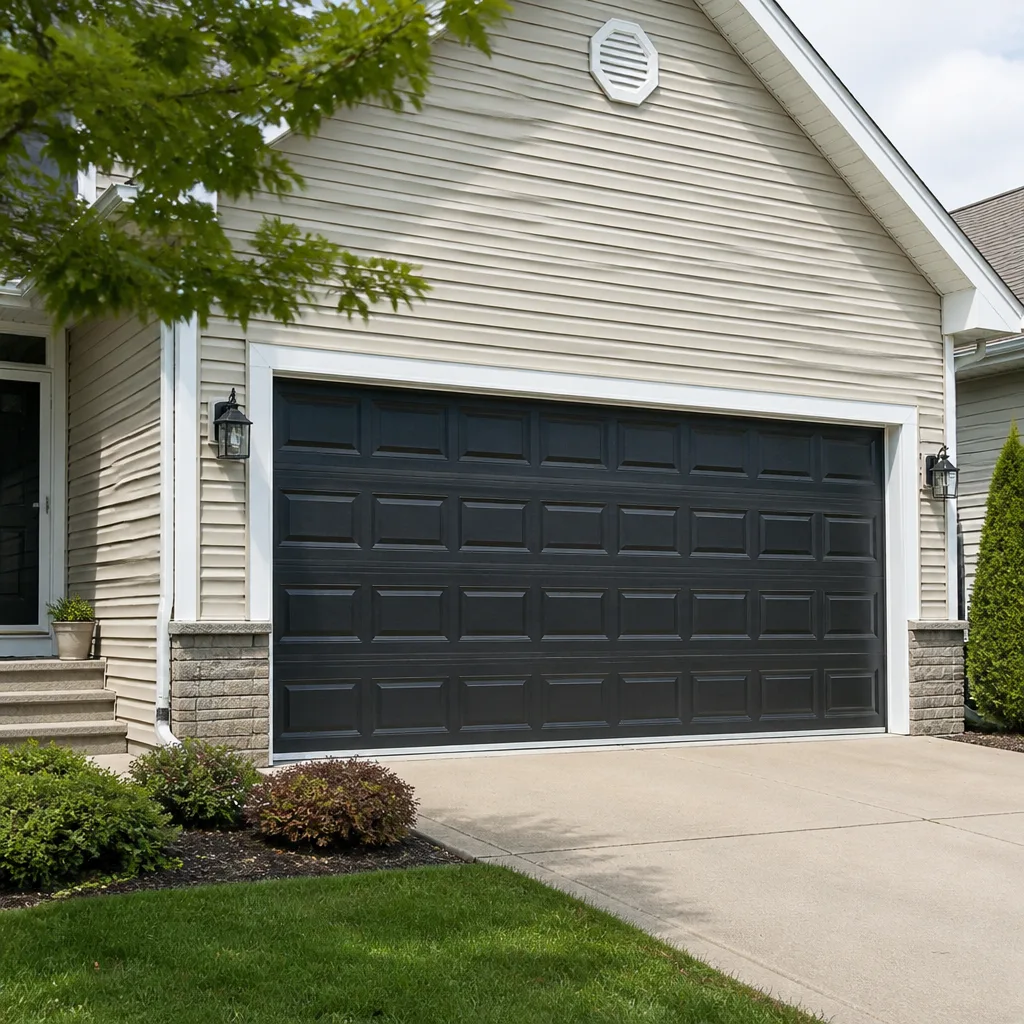 Raised-panel steel
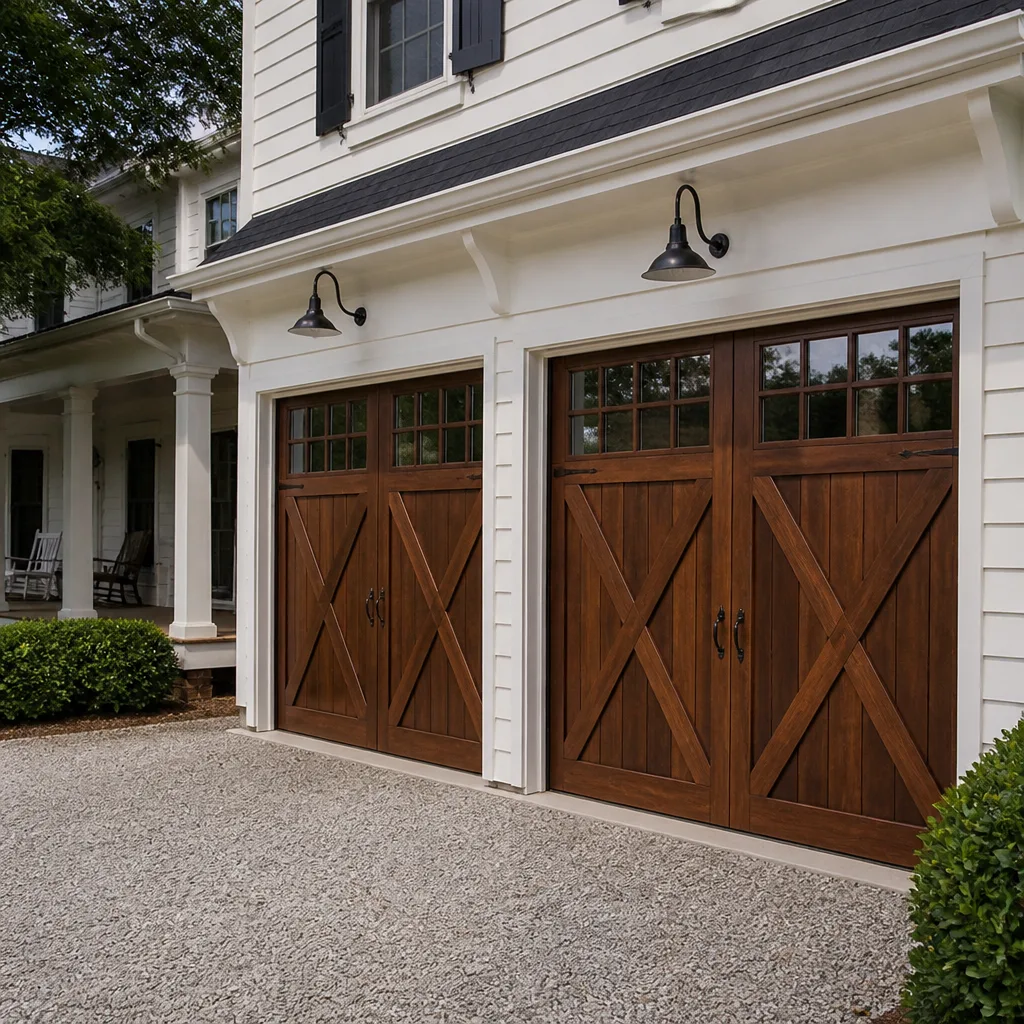 Carriage house
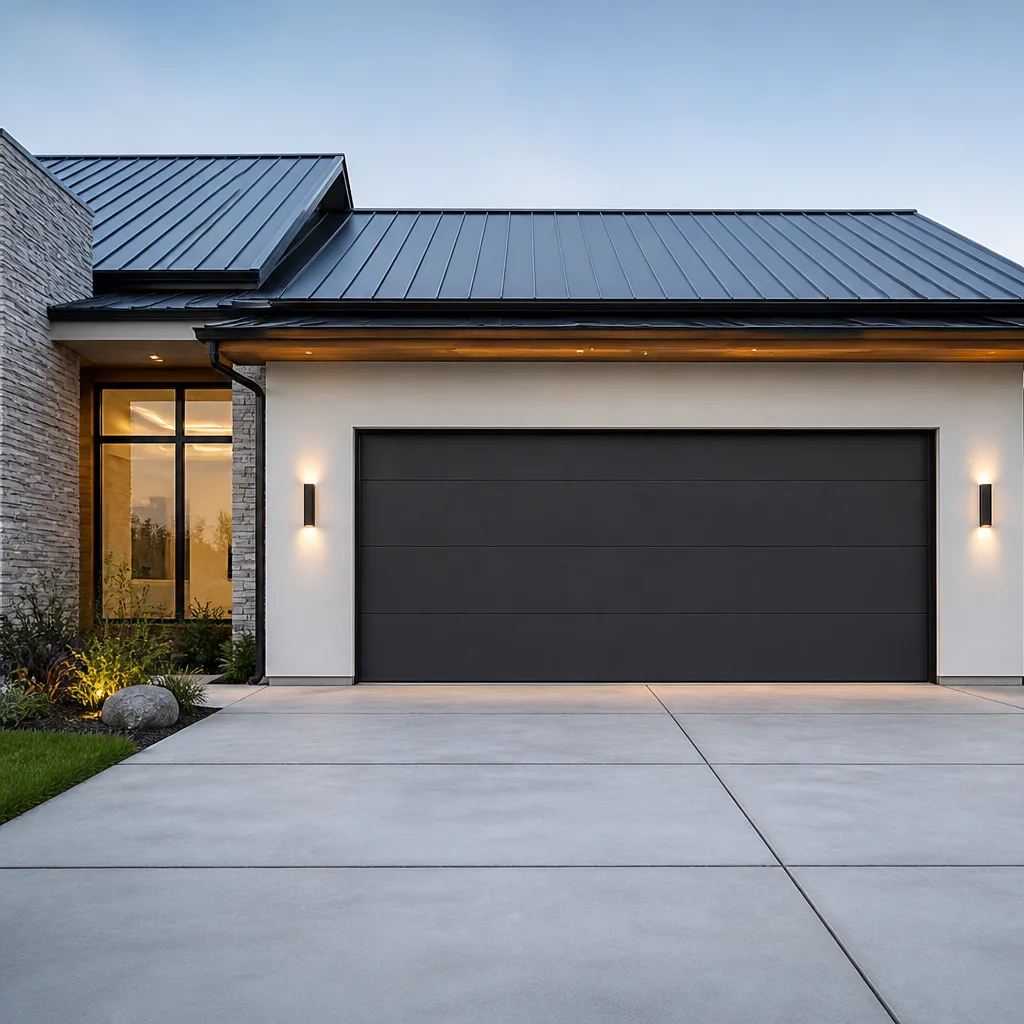 Modern flush
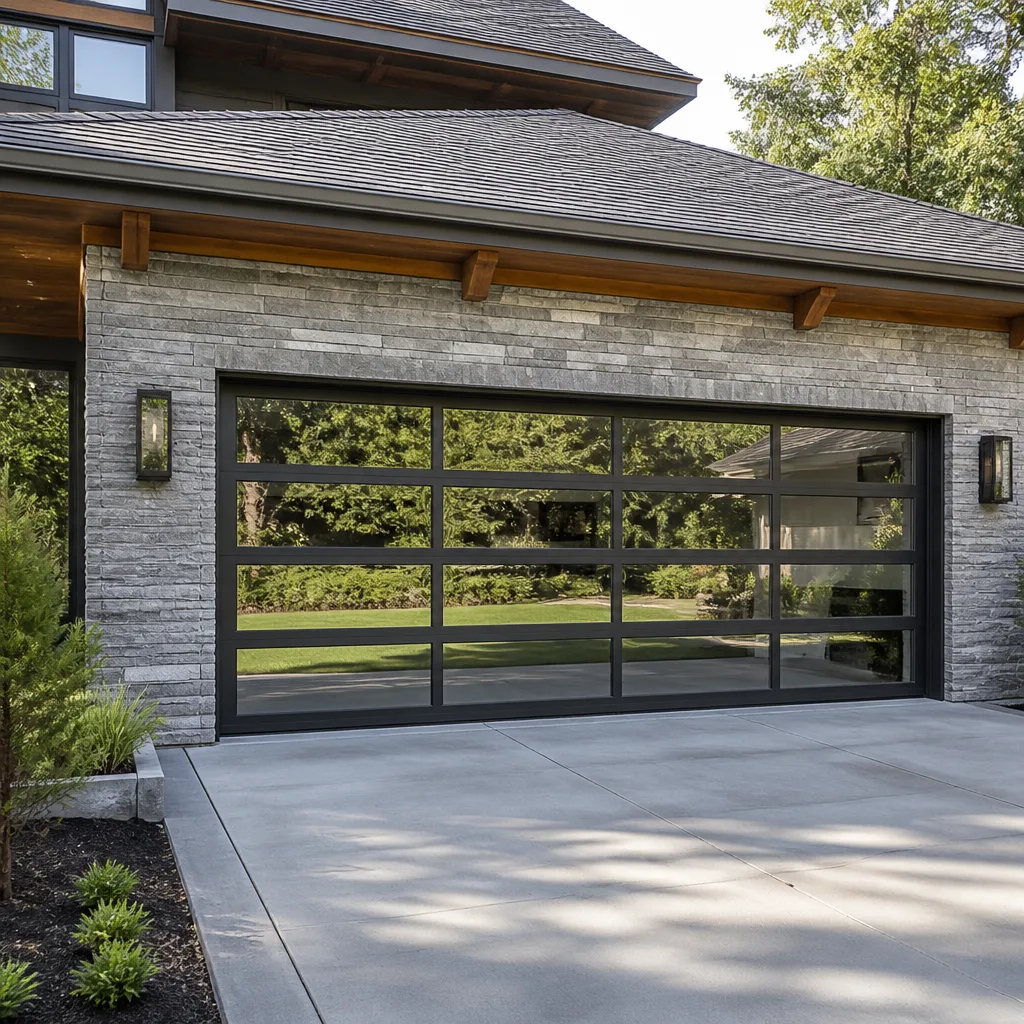 Full-view glass
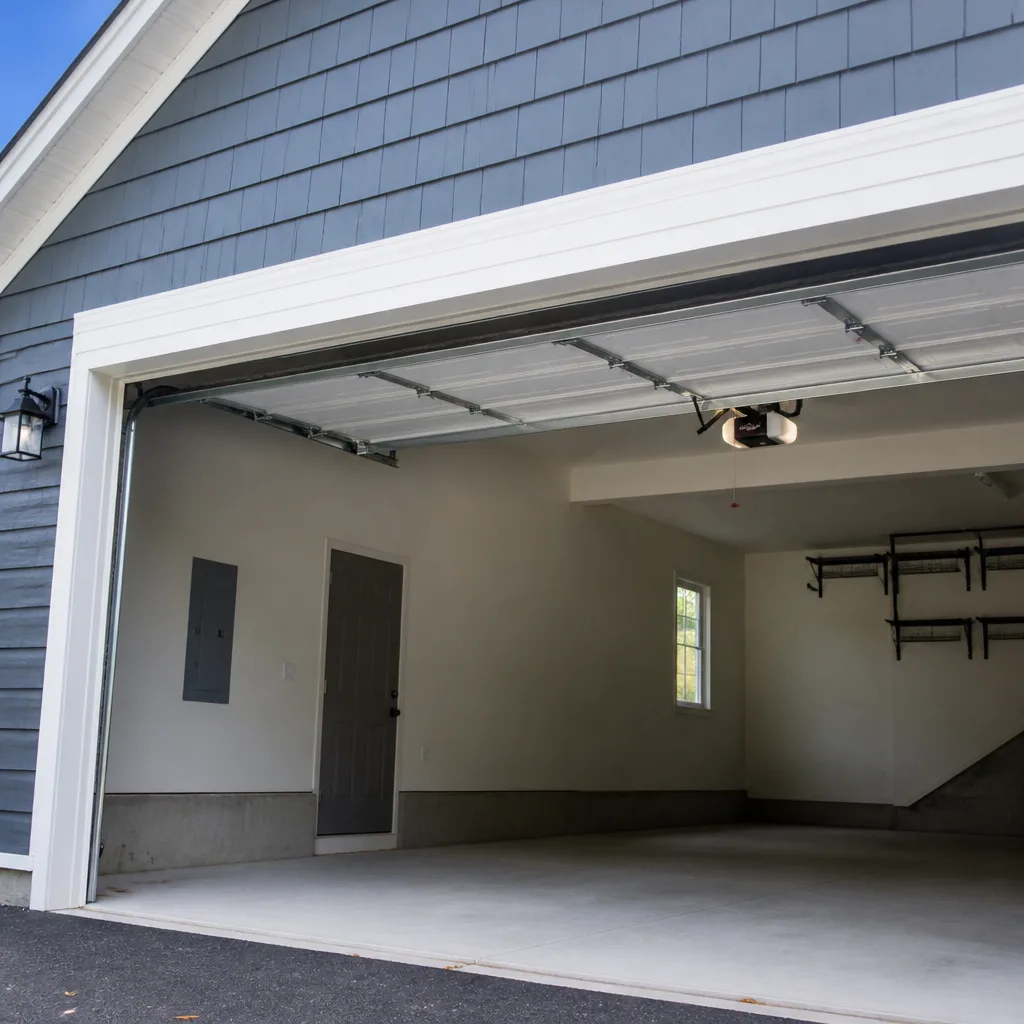 LiftMaster openers
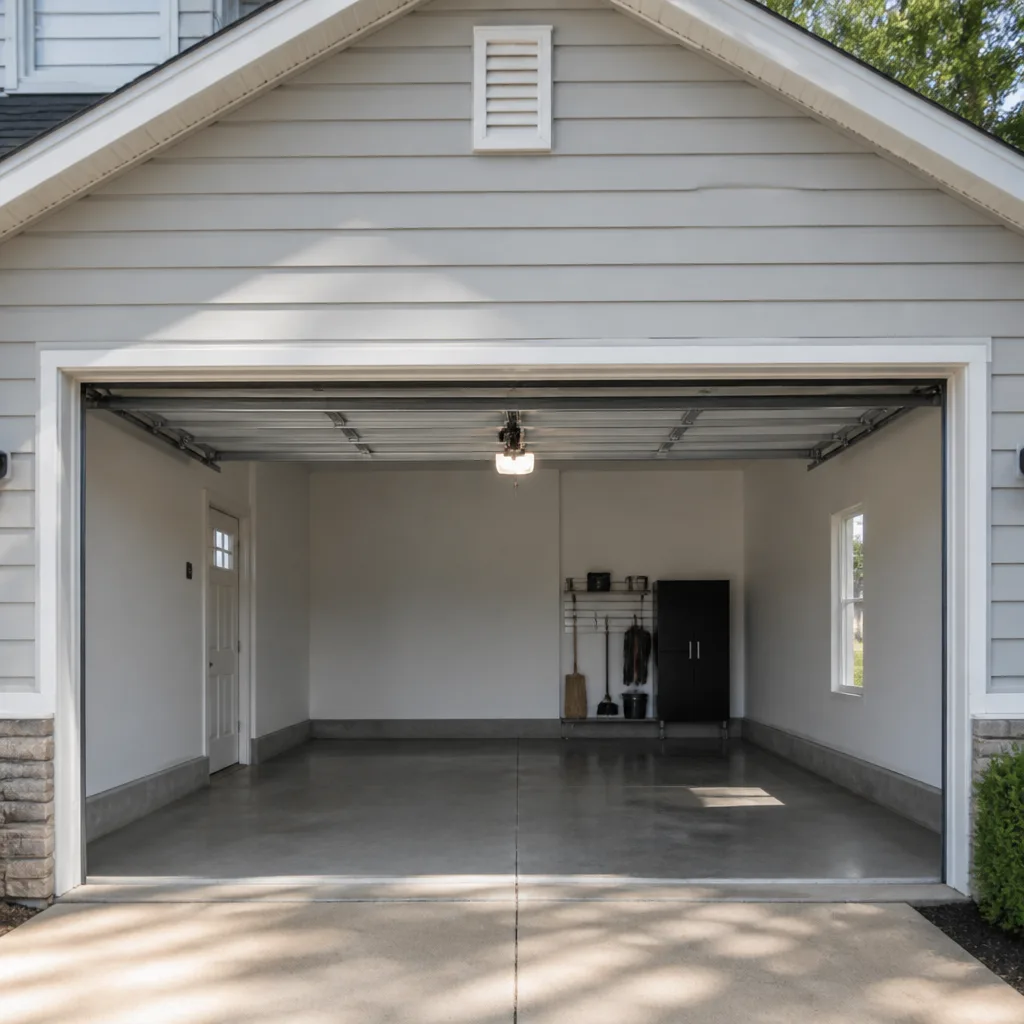 Chamberlain openers
Full 25-point door and opener safety check with every visit - springs, cables, rollers, tracks, and your LiftMaster or Chamberlain opener included
You get a price before we start. It does not change when the pro arrives.
Get your free estimateDIY vs Professional Garage Door: The Lynnhaven Homeowner’s Decision Guide
There’s a video online for almost every garage door repair, and some of those videos are genuinely good. Others show a homeowner kneeling beside a wound-up torsion spring with a pair of winding bars from a hardware store aisle. The uncomfortable truth is that the tutorials watched the most are often the ones attached to the repairs that send people to the emergency room, because a spring under tension doesn’t care how carefully you followed along. This guide doesn’t take a side in some abstract DIY-versus-pro debate. It draws a line: a set of garage door tasks a careful Lynnhaven homeowner can handle, and a set of tasks where the stored energy in the system makes professional work the only sensible call.
Quick Answer
Some garage door work is genuinely homeowner-appropriate: lubricating hinges and rollers, aligning safety sensors, replacing weather stripping, and tightening a loose bolt. Spring replacement, cable work, and track realignment on a door under load belong to a trained technician, because the forces involved can cause serious injury in a fraction of a second. A good rule for Lynnhaven homeowners: if the repair requires releasing stored tension or working under a raised door, call a professional.
Styles & brands we work with
- Raised-panel steel
- Carriage house
- Modern flush
- Full-view glass
- LiftMaster openers
- Chamberlain openers
Table of Contents
- The Division of Labor: Which Repairs Belong to You
- Why Springs Are the One Repair You Never DIY
- DIY vs Professional Cost: The Real Math
- Installation: What “Almost Right” Actually Costs You
- How Lynnhaven Conditions Shift the DIY Calculation
- Tools, Torque, and the Safety Line
- Opener Repairs: Where DIY Usually Works and Where It Stops
- The Homeowner Maintenance Routine That Prevents Most Breakdowns
The Division of Labor: Which Repairs Belong to You
Treat your garage door as two categories of work rather than one system. The first category is everything that moves freely with no stored tension behind it: hinges, rollers, the bottom weather seal, the photo-eye sensors, the track bolts that hold the door in alignment. A homeowner with a step ladder, a socket set, and patience can handle most of this. The second category is everything that holds energy: the springs, the cables, the drums at the top of the door, the torsion bar. That second category is where the boundary sits.
Here’s the breakdown we use when a Lynnhaven homeowner calls and asks whether they should attempt a repair themselves:
- Homeowner-appropriate: aligning or cleaning the safety sensors, lubricating hinges, rollers, and the opener rail, replacing the bottom weather seal, tightening loose track bolts and hinge screws, changing opener remote batteries and reprogramming remotes, and clearing obstructions from the door’s path.
- Specialist-only: replacing torsion or extension springs, re-tensioning cables, replacing a snapped cable, realigning a track that has bent away from the door frame, replacing a broken hinge on a door under tension, and any repair that requires the door to be held in the open position while you work on it.
- Depends on your comfort and the specific door: replacing a roller wheel (usually fine, unless the door is old and the track brackets are bent), and adjusting opener travel limits (doable if you follow the manufacturer’s manual for your specific model).
What makes the line so clear in this trade is that nothing in the specialist category can be undone with a household tool. Once a winding bar is loaded with a 250-pound door’s worth of spring force, a slip means the bar whips. There’s no “stop and reassemble” moment. For anything in that second category, our recommendation is consistent: garage door repair from a trained specialist is the safer and usually cheaper call once you account for the risk of a second failure.
Why Springs Are the One Repair You Never DIY
A torsion spring is a coiled steel energy-storage device. Its job is to carry the door’s weight so the opener only lifts a balanced load. When a technician winds a standard residential torsion spring, the spring is holding several hundred pounds of force even when the door is fully closed. Fully raised, that energy is still in the spring, coiled and waiting. This is the specific task where the DIY-versus-professional debate stops being a debate, because the failure mode isn’t a broken part: it’s a released bar, a snapped cable, or a spring that leaves the shaft under load.
Here’s what the winding process actually asks of a technician:
- Identify the spring’s wire gauge, inside diameter, and length, then match replacement tension to the door’s weight. Getting this wrong means the door is either impossible to lift or won’t hold its position.
- Set the correct number of turns per the door’s height and manufacturer spec (a standard seven-foot door typically needs a quarter more coils than a six-foot door, set as specific full-turn counts).
- Wind using two bars, alternating sides, with the body positioned entirely out of the spring’s release path. This is a trained posture, and it’s not something you can learn from a ten-minute tutorial.
- Verify balance by lifting the door by hand with the opener disengaged, then adjust before reinstalling the opener arm.
We’ve seen enough DIY spring attempts in Lynnhaven to say this without hedging: the cost of a replacement spring from a specialist is modest. The cost of a hospital visit is not, and neither is the cost of replacing a door panel that a slipped winding bar bent out of true. Springs are the component most likely to cause injury when addressed without proper training, which is why we handle them as a dedicated specialty rather than as a line item on a general repair list. If a break has already happened, garage door repair Lynnhaven handles both torsion and extension systems with the right parts on hand.
DIY vs Professional Cost: The Real Math
The DIY-versus-pro cost comparison isn’t a straight parts-versus-labor calculation. It’s parts plus tools plus your time plus the risk of a secondary repair, and that fourth term is what tips the math on the more complex jobs. For simple jobs, DIY wins. For anything involving tension or alignment, professional work almost always comes out ahead once you price the risk honestly.
Here’s how the five most common garage door repairs break down in a Lynnhaven home:
| Repair | DIY reality | Professional reality |
|---|---|---|
| Sensor alignment | Free if you own a screwdriver. Ten minutes, no risk. | Uneconomical to call out for alone, but we’ll often bundle it into a larger visit at no extra charge. |
| Lubrication and tune | Cost of a can of white lithium grease, twenty minutes of your Saturday. | Usually included as part of a service call’s inspection. |
| Weather seal replacement | A $30-60 seal from a hardware store plus a couple hours on a ladder. | Usually a low-priced professional fix that includes the correct seal profile for your door. |
| Spring replacement | A matched pair of springs plus winding bars, but the injury and secondary-damage risk is the dominant cost. | Our recommendation. Every time. The parts and labor are cheaper than the downside. |
| Cable or track work | Risky for the same reasons as springs, plus you usually can’t source the correct cable terminations at a big-box store. | The only sensible call for a door that’s out of alignment or has a snapped cable. |
Two things to keep in mind when you read that table. First, every job’s price is set by the written estimate you receive before any work starts, so the number you see in writing is the number you pay. Second, the “professional reality” side carries a satisfaction guarantee on the work performed, which is not something you can get from a big-box store’s return policy after you’ve already bent the track.
Installation: What “Almost Right” Actually Costs You
Installation is where “almost right” hides the longest. A door hung a quarter-inch out of square will often open and close for weeks without complaint. Then, over two or three months, the door starts pulling against one side’s rollers, the cables start wearing at the drum, the hinge at the bottom corner starts working loose, and the opener starts straining because it’s fighting the door’s weight at one edge. What looked like a finished job in the first week becomes a series of repair calls in the third month.
The alignment errors we see most when we’re called in to correct a DIY installation in Lynnhaven:
- Vertical track brackets set at unequal heights side to side, so the door rises at a slight angle and one side’s rollers carry more weight than the other.
- Torsion springs wound to the wrong number of turns for the door’s weight, so the opener has to lift more than its rated capacity.
- Horizontal track angled up or down rather than level with the door’s travel, which causes the top panel to catch and bow under the opener’s pull.
- The opener mounted with the rail out of parallel to the door’s travel, causing the trolley to bind.
- The safety sensors installed below or above the door’s photo-eye path, so the door doesn’t re-open correctly when the beam is interrupted.
For a full replacement rather than a self-install, the same logic applies: a professional garage door installation includes correct spring sizing, correct track alignment, and correct opener calibration, and the whole system is tested as a unit rather than as separate parts. If you’re weighing whether to replace rather than repair, we can also supply and install new doors from brands like Amarr and Wayne Dalton, which are typically sold through professional channels rather than sitting on a hardware store rack.
How Lynnhaven Conditions Shift the DIY Calculation
Lynnhaven homes face a specific combination of humidity, temperature swings, and seasonal wind that most garage doors weren’t designed for out of the box. The summer humidity alone is enough to accelerate corrosion on standard-galvanized hardware, which is why we recommend corrosion-grade hinges, rollers, and fasteners for doors in this area. What that means for the DIY question is that the correct replacement part isn’t always the one on the shelf at the nearest hardware store. Sometimes it’s a specific rated hinge, sometimes a specific spring gauge for a door that’s slightly heavier than the standard, and sometimes a bottom seal profile that isn’t stocked locally because the door is a different manufacturer’s model.
Our area also has a tendency toward afternoon thunderstorms in summer that drive horizontal rain against the door’s lower edge. That rain finds any gap in the bottom seal and the weather stripping, and the resulting moisture accelerates wear on the bottom hinge, the door’s lower panel paint, and the spring’s cable ends. A homeowner who lubricates hinges and inspects the bottom seal every few months will get more years out of the door than one who doesn’t. That routine is genuinely DIY-appropriate, and it’s the piece of maintenance that prevents the most expensive repairs.
Where the Lynnhaven climate makes DIY riskier: torque specs. If your door has a corrosion-rated hinge and you tighten it by feel rather than to the manufacturer’s specification, you can strip the fastener or deform the mounting plate. On a door with a factory-installed bracket, this turns a tight bolt into a track realignment job. If you don’t have a torque wrench and the manufacturer’s spec sheet for your door’s model, that one is safer left to a specialist.
Tools, Torque, and the Safety Line
Before you decide to take on any garage door repair yourself, check whether you own the right tools. Most homeowner toolboxes are missing two things the trade depends on: a torque wrench that reads low enough to be useful on a door hinge (most household torque wrenches start too high to be helpful) and a set of winding bars sized for your door’s spring. Those two tools separate the jobs you can do from the jobs you can’t, and not owning them is the clearest sign to stop and call.
Beyond the tools, there’s a set of safety habits that matter on every repair, even the simple ones:
- Disconnect the opener before doing any work. Pull the release cord to disengage the trolley, then kill power at the breaker. Never work on a door with the opener still engaged.
- Never work under a door that’s held open by the opener alone. If you must have the door open, brace it securely before you go near the moving parts.
- Don’t place fingers anywhere near the drum, the cable path, or the spring’s housing. These are pinch points, not inspection points.
- Wear safety glasses on every repair, not just the risky ones. A snap from a spring or cable can send metal through the air.
- If the door feels like it’s fighting you, stop. A door under load that feels odd is a door that’s about to fail somewhere you don’t want it to.
None of this is meant to talk you out of the repairs that make sense for a homeowner. Aligning sensors and lubricating hinges are genuinely safe, and doing them on a regular basis is one of the best things you can do for the door. But it’s worth being honest about where the line is: on any repair involving a spring, a cable, or a door held open under tension, a specialist is the right answer.
Opener Repairs: Where DIY Usually Works and Where It Stops
Openers sit in the middle of the DIY-versus-pro spectrum. A remote that won’t pair, a battery that needs replacing, a wall button that’s stopped working, or an opener that’s simply been over-traveling and needs its limits reset: all of those are homeowner-appropriate repairs, and the manual that came with your unit covers them. The problems that stop being homeowner-appropriate are the ones inside the opener housing: a stripped gear, a failed logic board, a capacitor on the way out, or a drive belt that needs replacement.
Because we work on LiftMaster, Chamberlain, Genie, and Craftsman units along with other leading drives, we can usually identify on the first visit whether a Lynnhaven homeowner’s opener issue is a quick fix or a replacement. If the opener is ten to fifteen years old and the repair cost is close to a new unit’s cost, replacement is often the better math. If it’s a newer unit with a stalled gear, repair is usually the sensible call. Either way, garage door opener repair is one of the jobs where the professional tools (in this case, the manufacturer-specific diagnostic codes and parts) make the difference between a fix and a guess.
One crossover case worth flagging: if the opener is straining to lift the door, the problem usually isn’t the opener. It’s the door’s spring tension or a binding track. Replacing the opener to solve what is really a spring issue is the most common wasted repair we see. Before you replace the opener, have the door’s balance checked.
The Homeowner Maintenance Routine That Prevents Most Breakdowns
The best DIY versus professional decision is the one you never have to make because nothing broke. A short maintenance routine, done a few times a year, prevents most of the repairs that lead to emergency calls in Lynnhaven. Here’s the routine we recommend to every homeowner we work with:
- Monthly: test the safety sensors by placing a box in the door’s path and confirming the door reverses. Wipe the sensor lenses with a dry cloth; a dusty lens is the most common cause of a sensor that won’t line up.
- Every three months: lubricate hinges, rollers, and the opener rail with white lithium grease. Don’t lubricate the track itself; that attracts grit and causes binding.
- Every six months: inspect the bottom weather seal for gaps, cracks, or compressed edges. Replace the seal if it’s no longer making contact with the threshold.
- Every six months: disconnect the opener and lift the door by hand. A balanced door should stay put when you let go halfway up. If it drops or rises on its own, the springs need attention and it’s time to call.
- Every year: check the bolts on the hinges and the track brackets with a socket set. Tighten anything that’s worked loose. If a bolt won’t hold, the fastener or the bracket is failing and it’s a call to a specialist.
Most of this routine you’ll never notice is paying off, until a spring finally gives out after a decade of service and the door comes down at the end of a long day. That’s the moment to call rather than to reach for the winding bars.
Common Mistakes to Avoid
- Winding springs without training. This is the single most common serious-injury mistake in the trade. Springs are under extreme tension; leave them to a trained specialist.
- Using the wrong spring for the door’s weight. A door that’s the same height as your neighbor’s may still need a different spring. Correct spring sizing requires knowing the door’s actual weight, its track configuration, and the spring’s wire gauge and inside diameter. Guessing at this shortens the spring’s life and strains the opener.
- Overtightening hinge bolts with a power drill. Most hinge brackets are stamped steel, and a drill with too much torque deforms the bracket. That leads to the hinge binding and the door dragging.
- Lubricating the track instead of the rollers. Grease on the track picks up grit and turns into a binding surface. The rollers (and their bearings) are what need lubricant; the track does not.
- Replacing the opener to fix a spring problem. We see this often in Lynnhaven: a homeowner replaces a perfectly good opener because the door is heavy, and the new opener strains and fails within a year for the same underlying reason. Check the door’s balance first.
- Ignoring a slow door or a door that reverses on its own. Those are early-warning signs that something in the spring or safety system is failing. Time is on your side if you call early; it isn’t if you wait.
- Leaving a bent track in place “for now.” A slightly bent track is a slightly misaligned door, which means a hinge is carrying load it wasn’t designed for. That turns a small correctable issue into a panel replacement.
See the difference
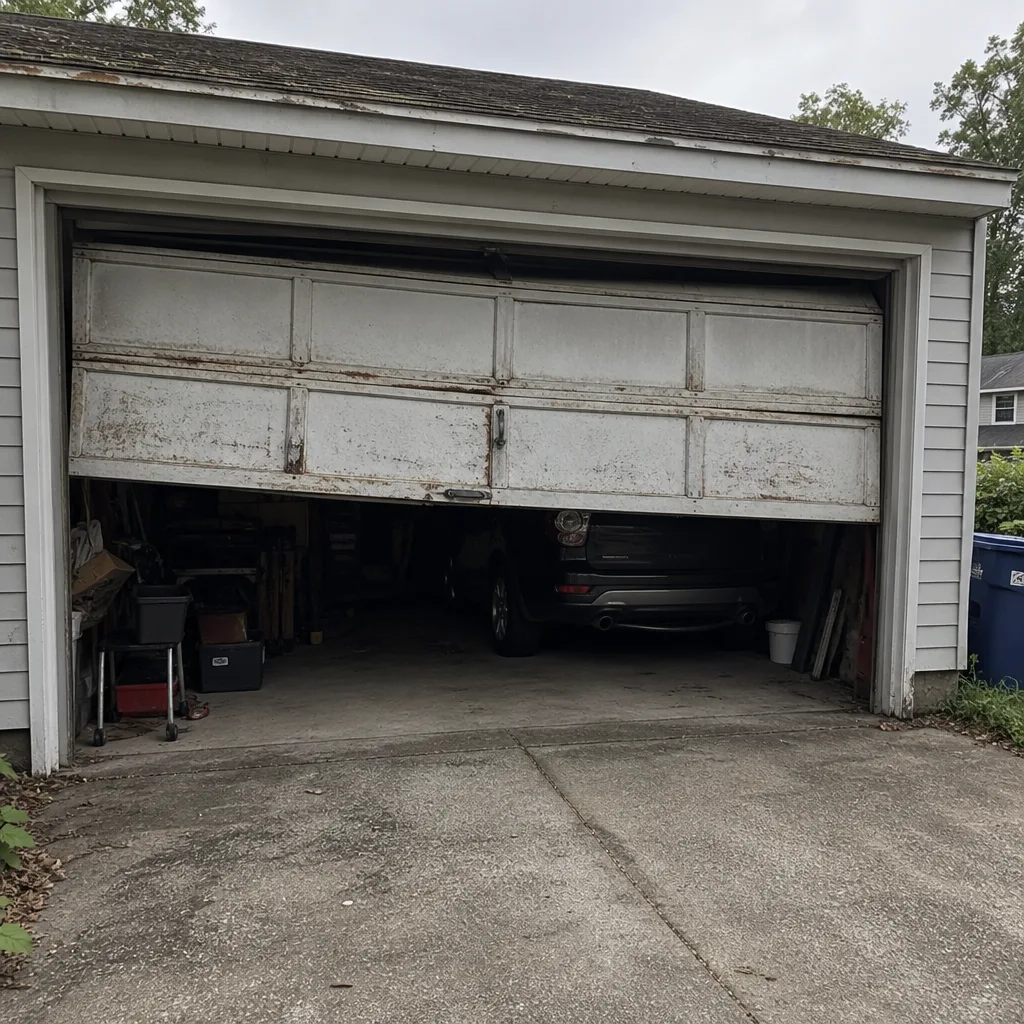 Before
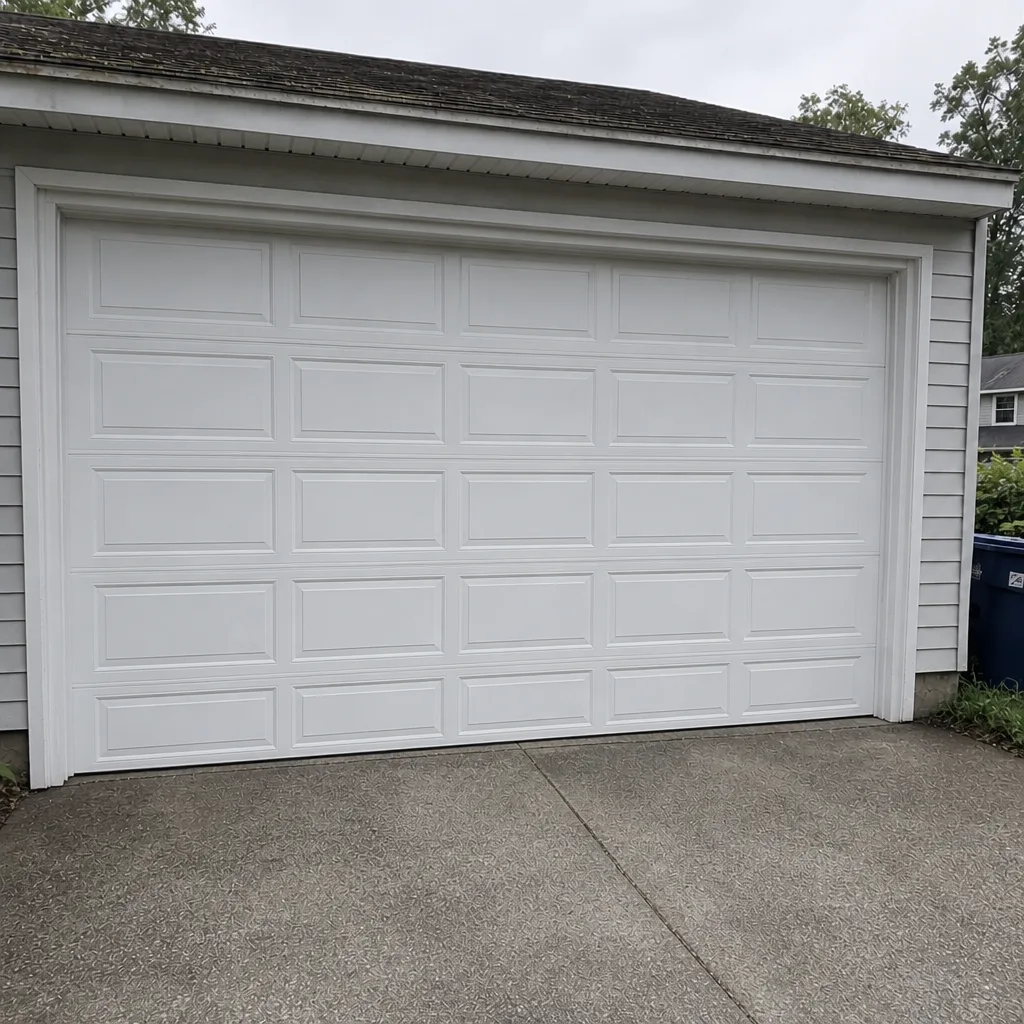 After
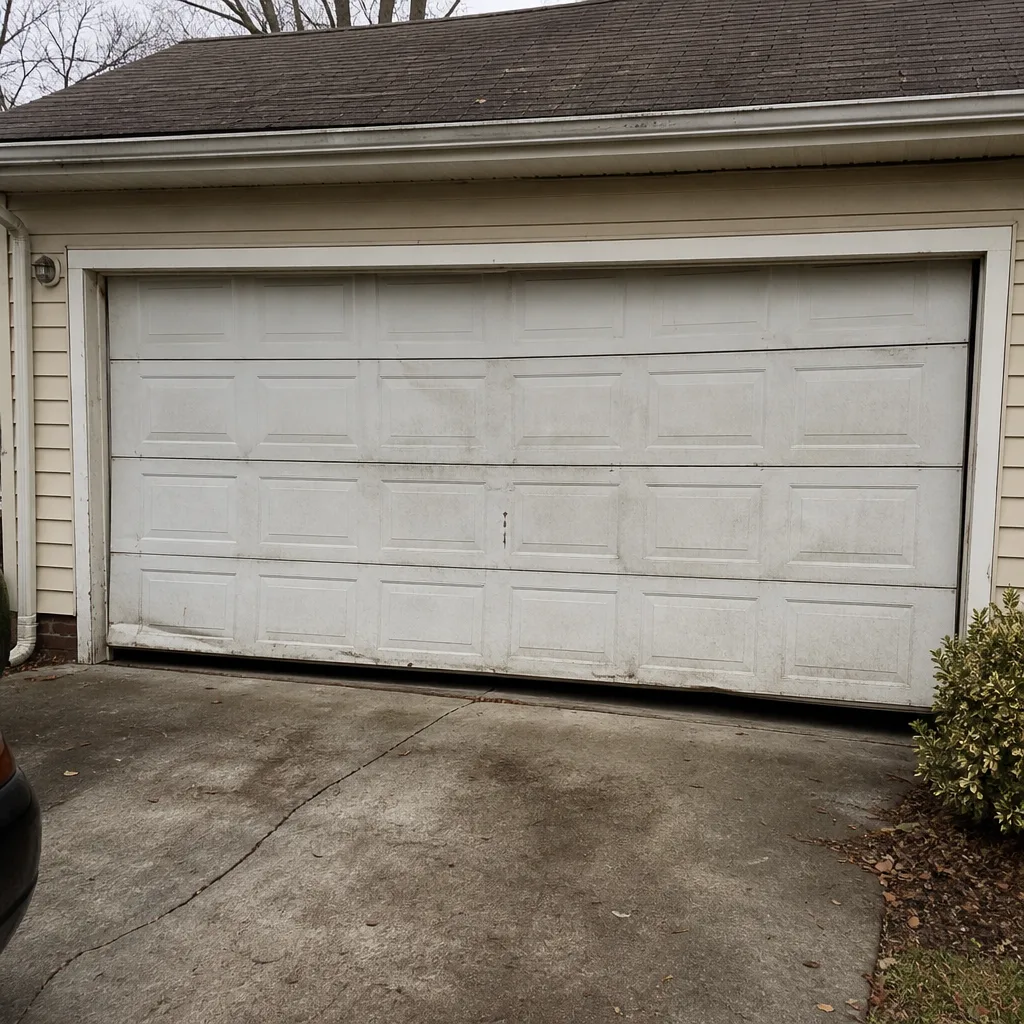 Before
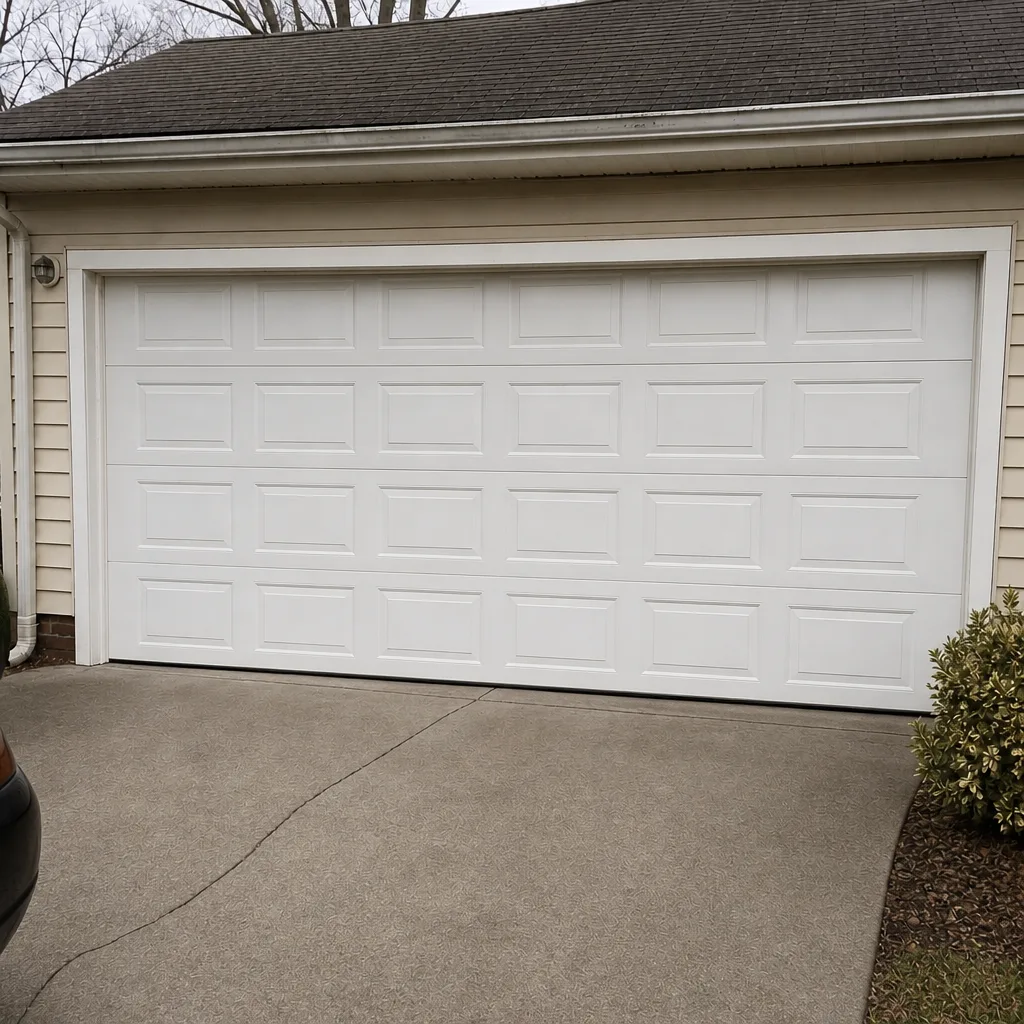 After
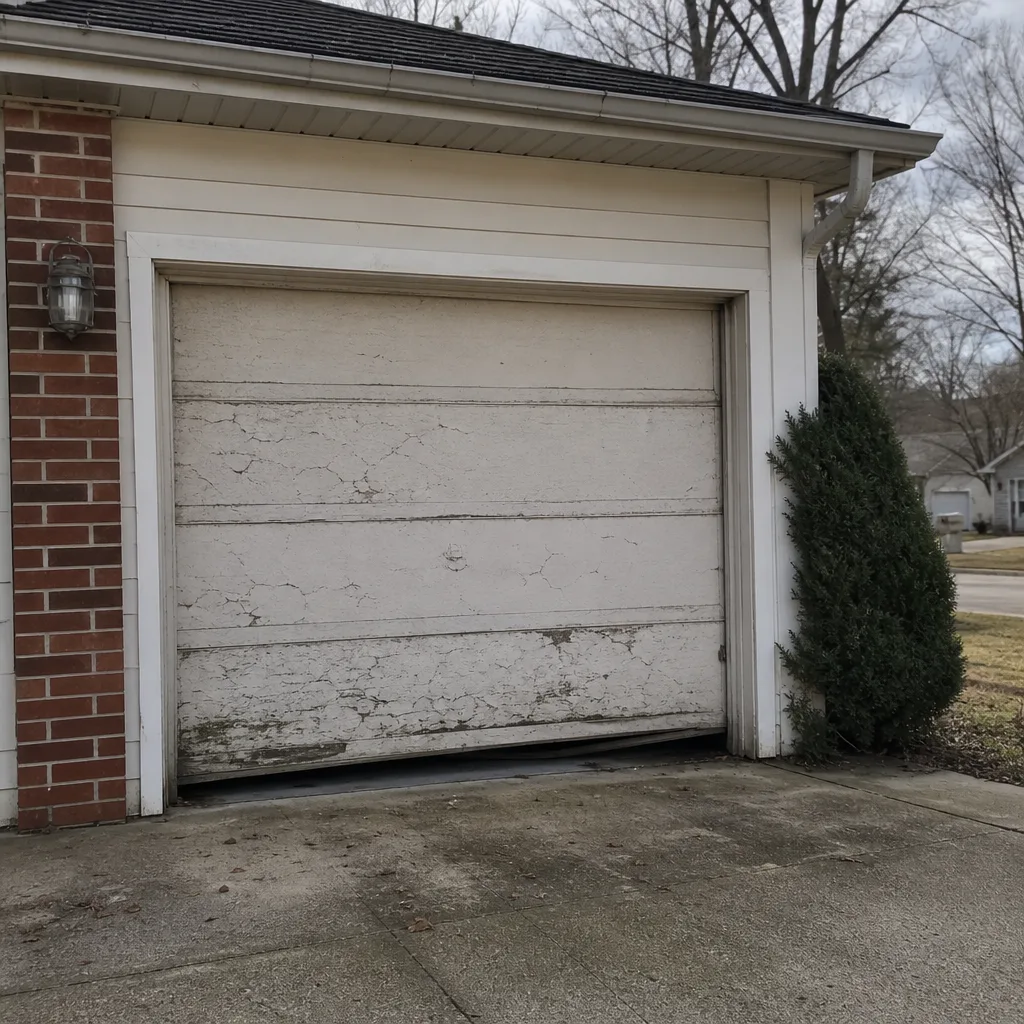 Before
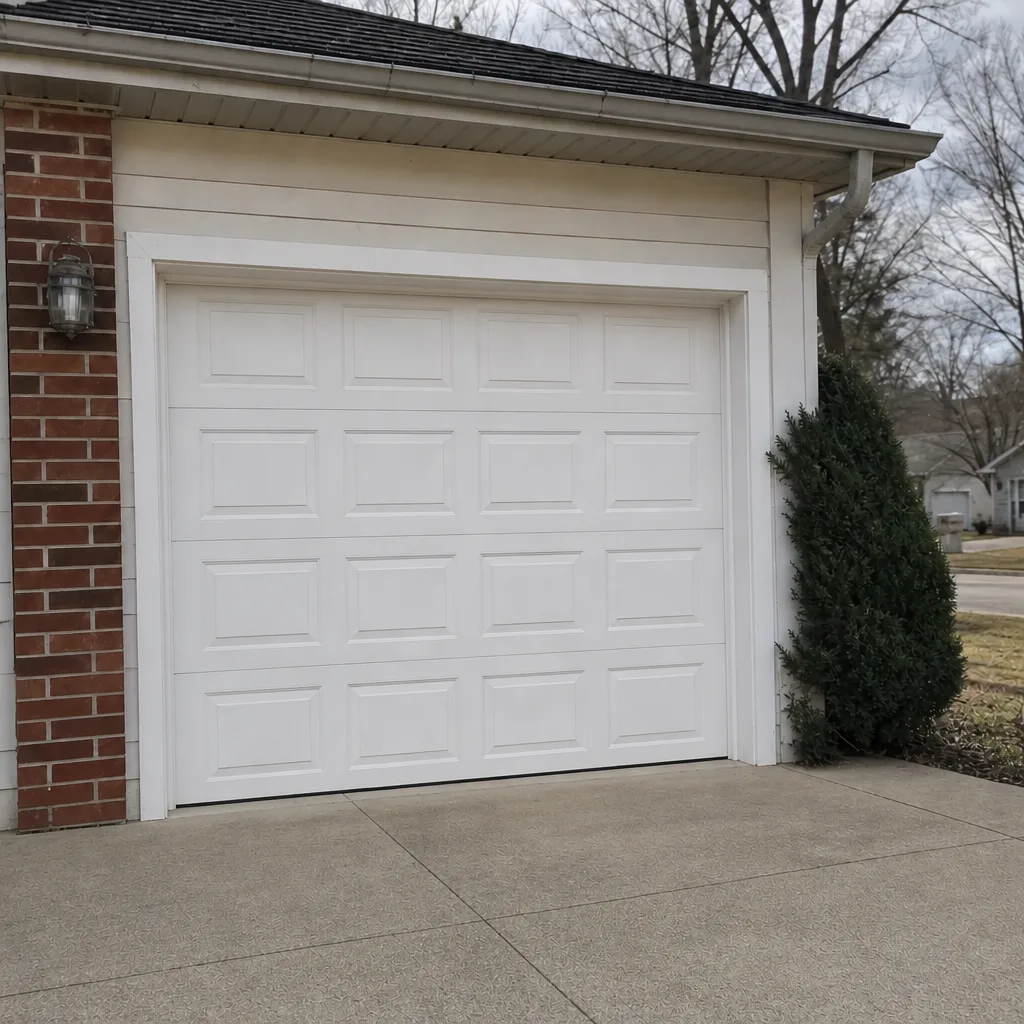 After
When to Call a Professional
Call for anything involving a spring, a cable, a track that’s bent out of alignment, a door that’s come off one side’s rollers, or an opener that’s making a grinding noise from inside the housing. Call also if any part of the door’s frame looks distorted: a bent mounting plate is a structural question, not a tightening question. For the simple repairs (sensor alignment, seal replacement, lubrication), you can handle them yourself. Garage Door Repair Lynnhaven offers free estimates in Lynnhaven. Call (877) 792-5898. We answer 24/7, and fast dispatch from 7am to 7pm. Our technicians have up to 11 years of experience, and every job is quoted and agreed before any work starts.
Frequently Asked Questions
No. Torsion and extension springs are under hundreds of pounds of stored tension, and a slipped winding bar or a released spring can cause serious injury in an instant. Spring replacement is the one repair in this trade that should never be DIY. Call (877) 792-5898 for a free estimate.
Spring pricing varies with the spring type and the door’s configuration, so the exact number is set by the written estimate we give you before work starts. The written quote is the price you pay, with no surprises added after. Call (877) 792-5898 for a free estimate.
Yes. Emergency service is available for a stuck or broken door, and for a door that’s left your home unsecured. We answer 24/7, and fast dispatch from 7am to 7pm, Sunday through Friday. A call outside dispatch hours is booked into the next opening. Call (877) 792-5898.
No. Our estimate is written and agreed before any work starts, and the number on that estimate is what you pay. If the job turns out to need more than we quoted, we discuss it with you and you approve before we proceed. Call (877) 792-5898 for a free estimate.
The local professionals we connect you with are licensed and insured as required in Virginia. We work exclusively on garage doors and openers, so the technician you get is a specialist rather than a general handyman fitting in a door between other jobs. Call (877) 792-5898.
Yes. We work on LiftMaster, Chamberlain, Genie, Craftsman, and other leading drives, along with doors from Clopay, Amarr, Wayne Dalton, and Raynor. If your opener is a model we can’t service, we’ll tell you that directly rather than guessing. Call (877) 792-5898 for a free estimate.
The Bottom Line
The DIY-versus-professional question has a clean answer once you separate the garage door into two kinds of work. Sensor alignment, lubrication, weather seals, and routine tightening are yours to handle, and handling them keeps small problems from turning into emergency calls. Springs, cables, track realignment under load, and any installation work are specialist work, because the physics doesn’t leave room for guesswork. If you’re in Lynnhaven and you’re not sure which side of the line your repair falls on, call us. The estimate is free, the price is set before work starts, and the answer is honest either way. Call (877) 792-5898. We answer 24/7, with fast dispatch from 7am to 7pm, Sunday through Friday.
Written by the team at Garage Door Repair Lynnhaven.