
Last updated November 22, 2026
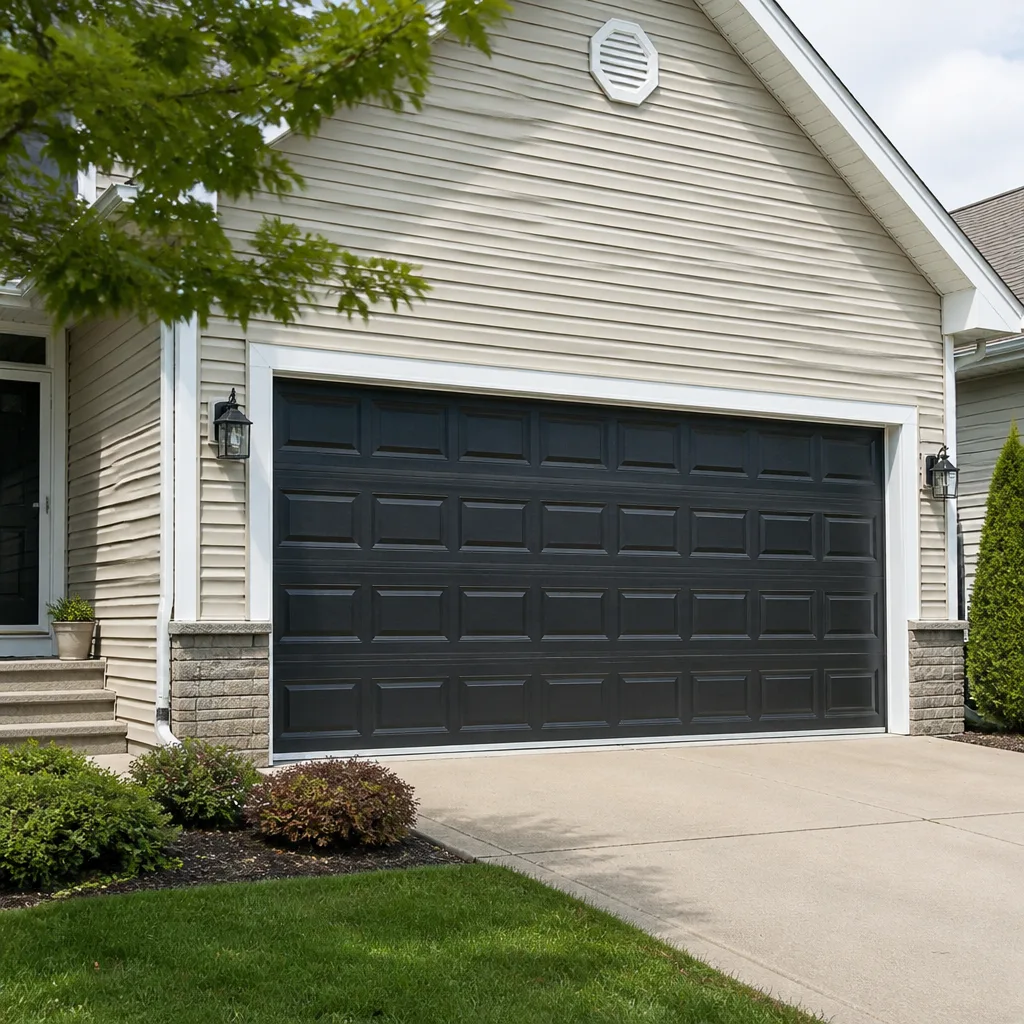 Raised-panel steel
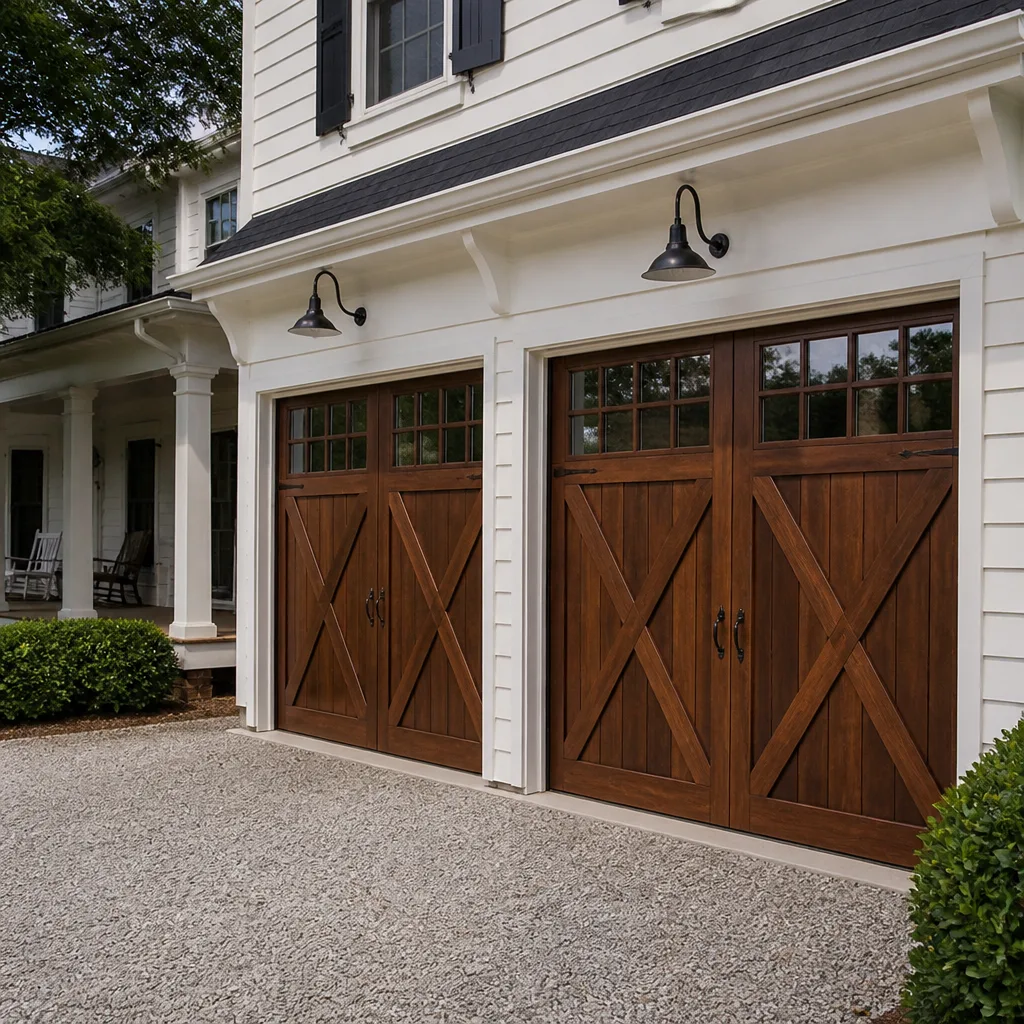 Carriage house
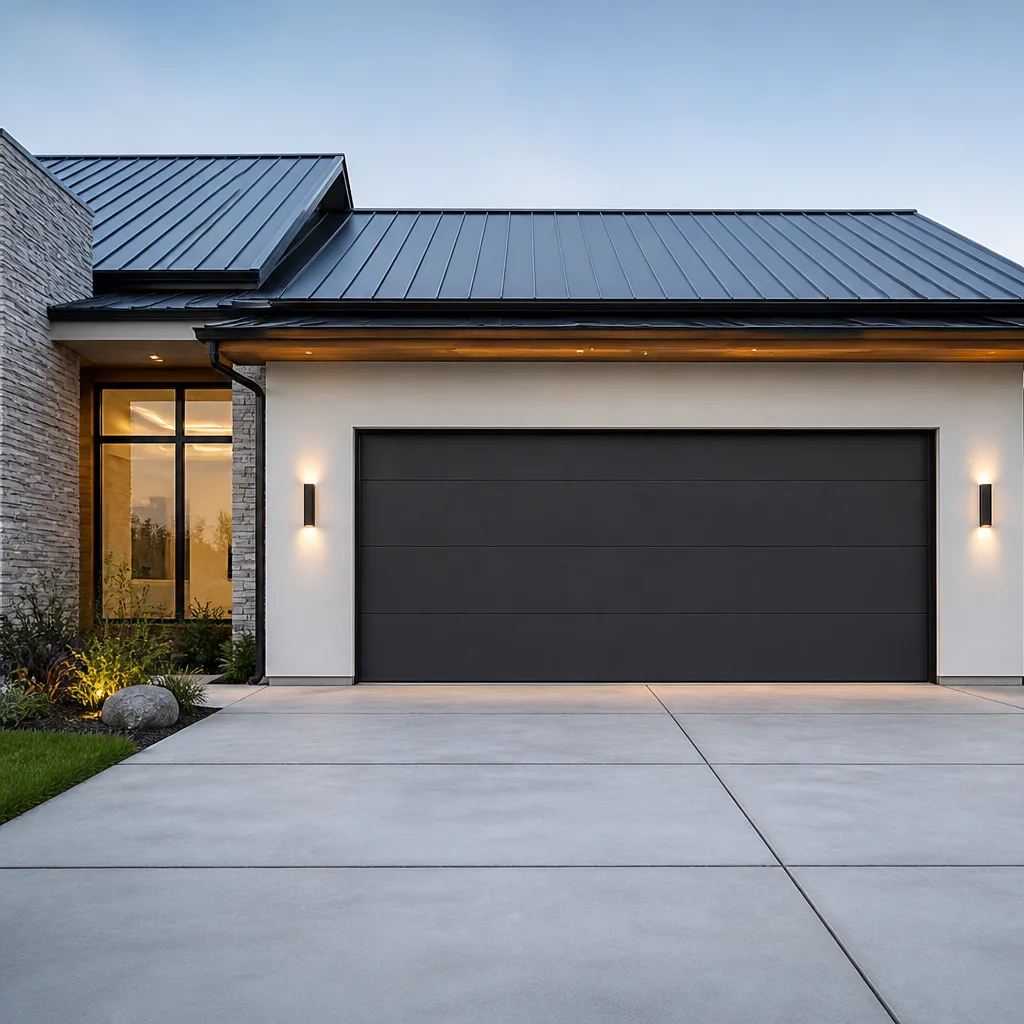 Modern flush
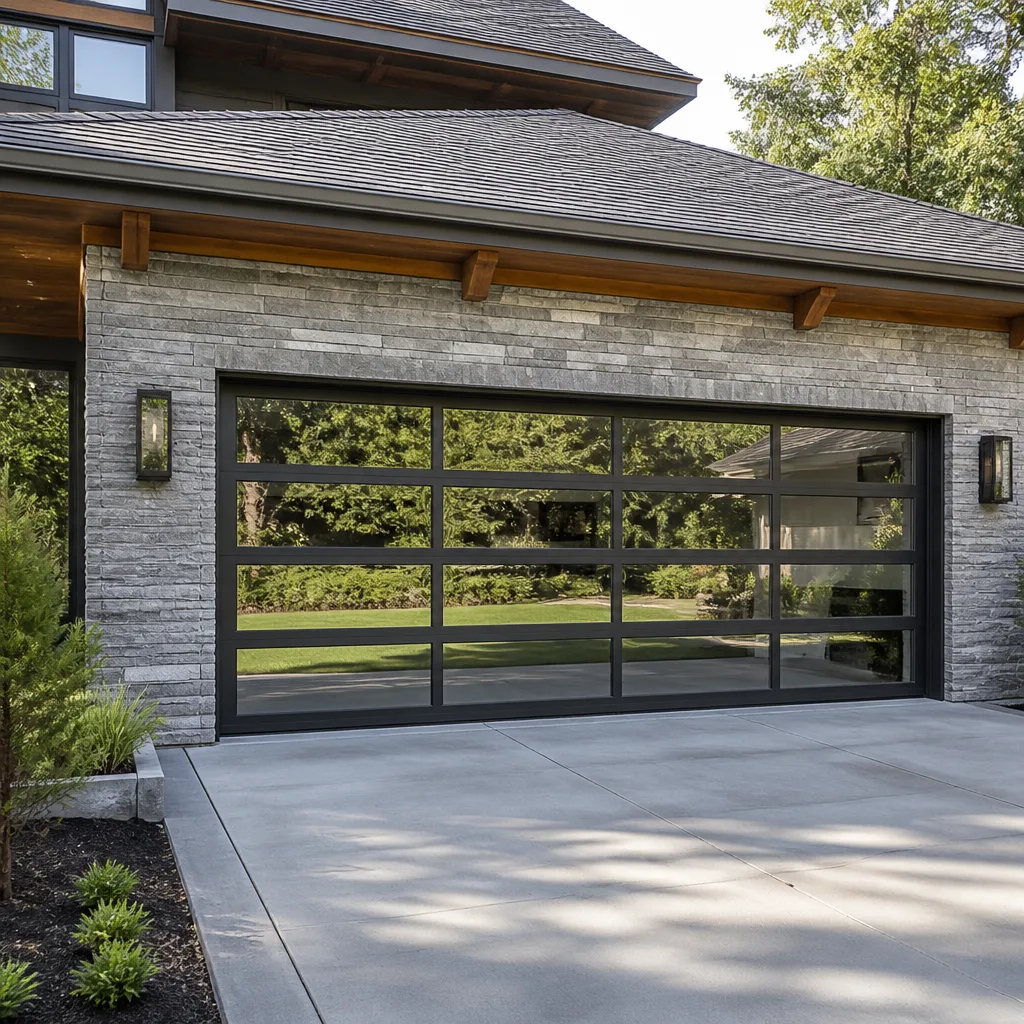 Full-view glass
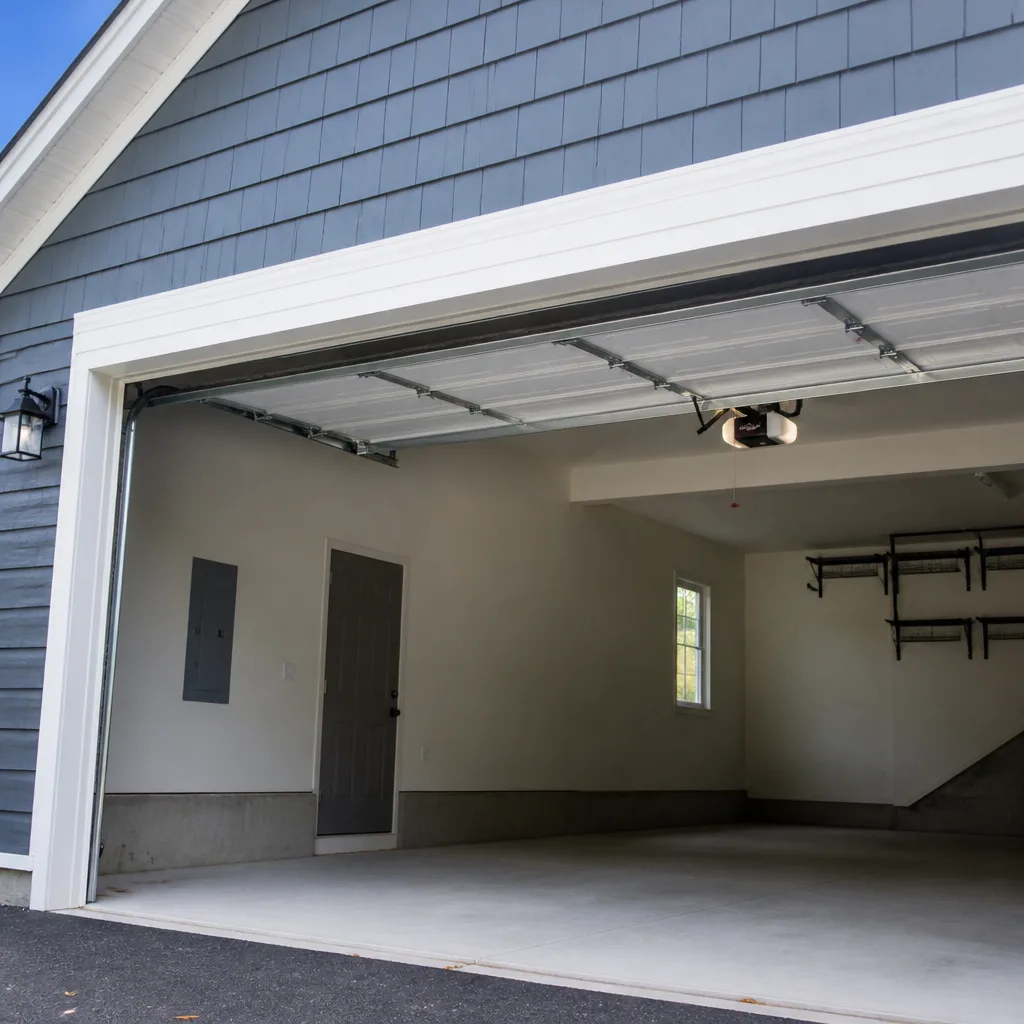 LiftMaster openers
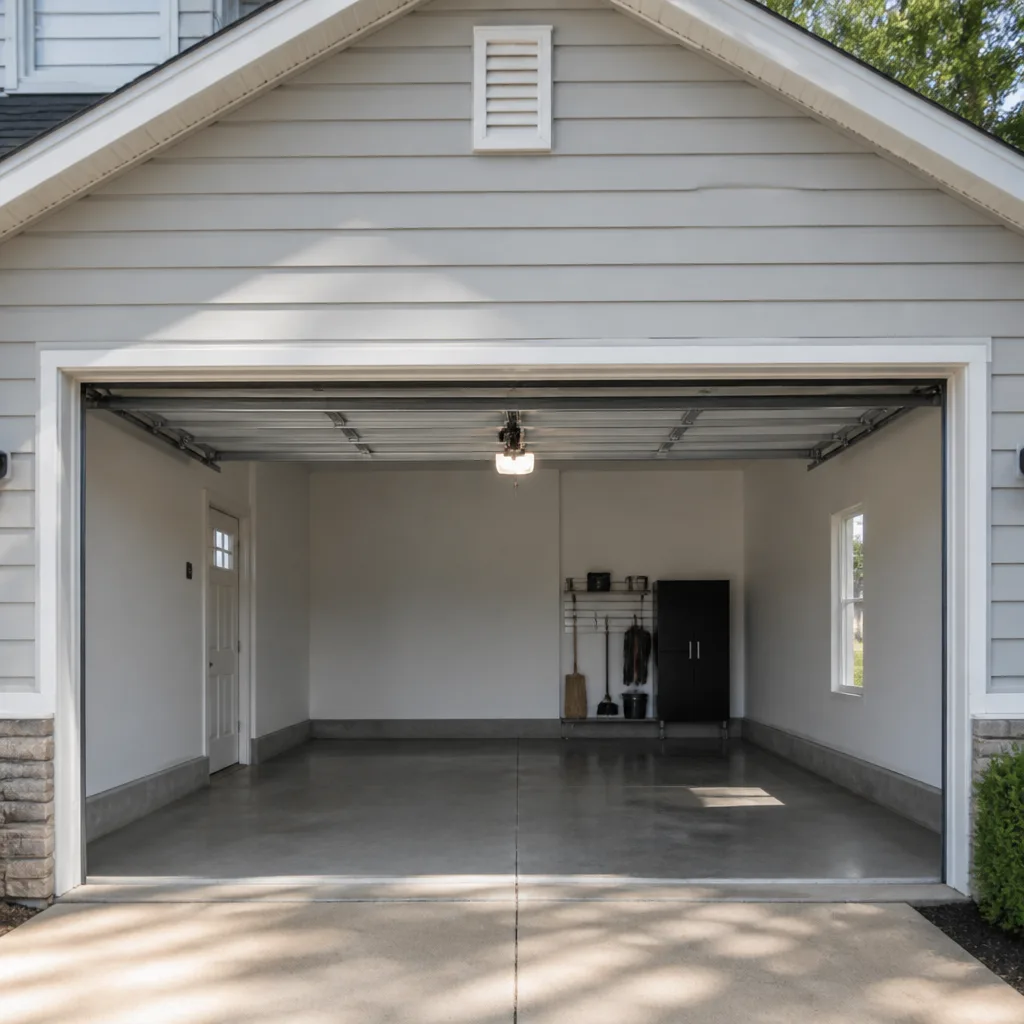 Chamberlain openers
Full 25-point door and opener safety check with every visit - springs, cables, rollers, tracks, and your LiftMaster or Chamberlain opener included
You get a price before we start. It does not change when the pro arrives.
Get your free estimateGarage Door Repair Troubleshooting in Lynnhaven: Common Problems and How to Fix Them
Most garage door troubleshooting guides send you straight to the photo eyes. If your door reverses before it reaches the ground, the usual advice is “check the sensors” – but in Lynnhaven’s humidity, the more likely culprit is often a swollen bottom seal or a binding track turning a healthy safety system against you. Chasing that one symptom down the wrong path wastes an afternoon and sometimes leads to adjusting a sensor that was never the problem. This guide takes the opposite approach. We’ll teach you to read what the door is actually telling you, match the behavior to the component that’s likely failing, handle the safe adjustments yourself, and stop cold at the line where the job turns dangerous. By the end, you’ll be able to describe your problem in language a technician can act on immediately.
Quick Answer
Garage door problems are diagnostic, not random: each behavior points to a specific component. A door that reverses before closing is usually a misaligned sensor or a swollen bottom seal, a door that only opens a foot is often a broken spring or a travel-limit setting, and grinding on one side usually means a bent track or worn roller. You can safely adjust sensors, clean tracks, lubricate rollers, and reprogram travel limits yourself. You should never touch torsion springs, cables, or drums – that’s professional work, and in Lynnhaven it’s worth calling a specialist rather than attempting it.
Styles & brands we work with
- Raised-panel steel
- Carriage house
- Modern flush
- Full-view glass
- LiftMaster openers
- Chamberlain openers
Table of Contents
- Symptom-to-Component Diagnostic Matrix
- How Lynnhaven Humidity Affects Doors, Tracks, and Sensors
- Reading Your Opener’s Diagnostic Blink Codes
- What You Can Safely Fix Yourself
- What Requires a Professional – the Hard Stop
- What to Tell the Technician When You Call
- A Seasonal Troubleshooting Checklist for Lynnhaven Homes
- What Garage Door Repairs Typically Cost in Lynnhaven
Symptom-to-Component Diagnostic Matrix
The fastest way to solve a garage door problem is to stop watching the door and start reading it. Every behavior is a signal. Before you call anyone or grab a screwdriver, observe the door through one complete open-and-close cycle and note exactly what it does. Then match the behavior to the component list below. This table is the heart of the guide – everything else explains how to act on what you find.
- Reverses before hitting the ground: most likely misaligned photo eyes, a swollen or obstructed bottom seal, or something in the door’s path. Check the sensors first, then the seal.
- Only opens about a foot, then stops: often a broken torsion or extension spring, sometimes a travel-limit setting that drifted. A broken spring usually shows an obvious gap in the coil.
- Grinds or squeals on one side: a bent or misaligned vertical track, a worn roller, or a loose hinge. Listen for whether the noise is constant or only at a certain height.
- Door goes up crooked: a stretched or snapped cable on one side, or uneven spring tension. This is a stop-and-call situation.
- Opener motor runs but door doesn’t move: a stripped gear in the opener, a broken drive belt or chain, or the manual release has been pulled. Check the release cord first.
- Door slams shut instead of easing down: a failed safety reverse system or a spring that’s lost tension. Do not ignore this – it’s a safety defect.
- Remote won’t work but wall button does: battery, range, or a lost programming code. Usually the cheapest fix on this list.
- Loud bang from the garage, door won’t lift: almost always a broken torsion spring. Stop using the door immediately.
Homeowners in Lynnhaven often call believing they need a new opener when the actual problem is a $20 roller or a track that got knocked askew. Matching the symptom first prevents that mistake and saves real money.
How Lynnhaven Humidity Affects Doors, Tracks, and Sensors
Lynnhaven sits in the Hampton Roads climate, and that means muggy summers and damp shoulder seasons that cause trouble garage door companies in drier parts of the country rarely see. Humidity doesn’t break a door all at once – it works on the material slowly, and the resulting failures often look like something else entirely. Understanding these seasonal patterns helps you troubleshoot the real cause instead of the symptom.
Wood doors swell and bind
Wood and wood-composite doors absorb moisture during humid stretches, which makes the panels swell slightly. A door that fit fine in dry weather can start rubbing its frame or sticking on the weatherstripping. When that added friction pushes back against the opener, the safety reverse system reads it as an obstruction and sends the door back up. That’s why “my door reverses in summer” is a common Lynnhaven call – and why a swollen seal is often the culprit, not the photo eyes.
Metal tracks and hardware corrode
Steel tracks, hinges, and rollers are all vulnerable to surface rust in damp air. Rust on a roller axle adds friction, which the opener has to overcome, and eventually the roller seizes and grinds. A light application of a proper garage door lubricant on rollers, hinges, and the torsion bar goes a long way. Skip the WD-40 – it attracts dust and gumming. A silicone or lithium-based lubricant is the right choice.
Sensor lenses fog and film over
The photo eyes at the bottom of your tracks are small, and their lenses collect a film of moisture, dust, and pollen. When the lens gets cloudy, the beam weakens and the door reverses at random. A quick wipe with a soft cloth on both lenses solves more of these than any other single fix. Do it before you assume the sensors are misaligned.
Weatherstripping hardens and cracks
The bottom seal and the perimeter weatherstripping dry out and crack from repeated humidity cycles. A hardened bottom seal won’t compress evenly, so the door binds against it or the safety reverse triggers. Replacing a bottom seal is a genuinely safe DIY job on most doors and takes under an hour.
Reading Your Opener’s Diagnostic Blink Codes
Modern openers are built to tell you what’s wrong – you just have to know where to look. Most units from leading brands like LiftMaster, Chamberlain, and Genie use a small LED on the motor housing or the wall control that flashes a coded pattern when something fails. Reading that pattern before you call anyone can save you a service visit. Here’s how to use it.
- Find the diagnostic LED. It’s usually on the back or side of the motor unit, sometimes behind a small cover. The wall-mounted control may also blink.
- Trigger the fault. Press the wall button and let the door fail the way it normally does. The LED will flash a repeating pattern.
- Count the flashes. Note how many times it blinks in a row, pauses, then repeats. A pattern of four flashes, pause, four flashes means “four” in your opener’s codebook.
- Look up the pattern. Every brand publishes a code chart. LiftMaster and Chamberlain share many codes (often 1-5 flashes), Genie uses its own numbering, and Raynor systems may reference the opener head they ship with. The owner’s manual or the brand’s support page maps your count to a specific cause.
- Note a few common codes. On many brands, a sensor obstruction reads as a specific low-count flash, a travel-limit error reads as another, and a logic-board fault as a higher count. Confirm against your exact model.
- Write it down. When you call for help, “the LED flashed three times” tells a technician more than five minutes of description.
The blink code is the closest thing your door has to an error message. In our experience, a homeowner who reports the flash pattern gets a faster, more accurate diagnosis than one who describes the symptom in the abstract. Our garage door opener repair technicians read these codes on the first visit across LiftMaster, Chamberlain, Genie, and Raynor systems.
What You Can Safely Fix Yourself
Not every garage door problem needs a technician. Some of the most common issues are genuinely within a careful homeowner’s reach, and fixing them yourself is a reasonable way to save a call. The line is clear: if the repair involves the springs, cables, or the torsion drum, you stop and call. Everything below is safe to attempt with basic tools and a little patience.
Cleaning and aligning photo eye sensors
Wipe both lenses, then check that the small LEDs on each sensor glow steady rather than blinking. Point them at each other so the beam is centered. Most sensors have a bracket you can nudge by hand. Test by pressing the wall button and watching the door close fully.
Replacing a remote battery
If the remote works only up close, start with a fresh battery. If a new battery doesn’t help, try reprogramming the remote to the opener using the brand’s pairing steps – often a “learn” button on the motor and a press sequence on the remote.
Lubricating rollers, hinges, and the track
Apply a silicone or lithium-based lubricant to hinge pins, roller bearings, and the inside of the vertical track. Don’t grease the track surface itself – it collects grit. Wipe the track clean with a rag, then run the door once and listen for improvement.
Adjusting the travel limits
If the door stops slightly short of the floor or the header, the travel limits may need a tweak. Most openers have up-limit and down-limit adjustment screws or a programming menu. Make small changes, test each time, and never set the down limit so tight that the door bears down hard on the floor.
Replacing the bottom seal
A worn bottom seal is the single most common cause of nuisance reversals in Lynnhaven humidity. Measure the door width, buy a replacement seal, and slide the old one out of its channel. Most seals push into a retainer slot without tools.
Cleaning the tracks
Use a damp rag to remove grit and cobwebs from the vertical and horizontal tracks. Debris in a track can make a door bind or bind unevenly. Do not pry or bend a track to “fix” alignment – that’s a call-a-pro job.
What Requires a Professional – the Hard Stop
Here’s where we draw a hard line. Torsion springs, extension springs, cables, and the drums they wrap around all store enormous mechanical energy. A torsion spring on a standard residential door is under so much tension that releasing it incorrectly can cause serious injury – broken bones, deep lacerations, and worse. There is no version of spring work that belongs in a homeowner’s hands. This is the single most dangerous repair in residential home maintenance, and we treat it that way.
You should stop and call a professional if you notice:
- A broken spring – an obvious gap in the coil, or the door won’t lift at all after a loud bang.
- A snapped or slack cable – cables under tension can whip. Never cut, pry, or handle a cable.
- A crooked door – this signals uneven cable or spring tension and puts the whole door at risk of falling.
- A door that won’t stay up – possibly a failed spring, possibly a broken torsion system. Do not walk under it.
- Bent or out-of-alignment track beyond a nudge – forcing a track can damage rollers and panels.
- A failed safety reverse – if the door won’t reverse when it meets an obstruction, it’s a safety defect that needs fixing before you use the door.
If any of those apply, leave the door down or up (whichever is safer) and call. In Lynnhaven, our technicians have up to 11 years of experience with torsion and extension spring systems and carry the right parts for both. For the full range of spring and track help, call us for garage door repair rather than attempting the fix.
What to Tell the Technician When You Call
The quality of your description determines how fast and how accurately your problem gets fixed. A homeowner who says “my door is broken” leaves a technician guessing at the parts to bring. A homeowner who says “the door opens about a foot, then stops, and the LED blinks three times” gets a targeted repair. This section is about giving the right information so diagnosis is quick and no unnecessary parts get added to the bill.
Here’s the language that speeds things up:
- Describe the behavior, not the guess. “It reverses before closing” beats “the sensor is broken.” Let the technician do the diagnosis.
- Report any blink code. Count the flashes and say the number. If you can, note where the LED is flashing – on the opener head or on the wall control.
- Note whether it’s every cycle or intermittent. “It happened twice out of ten tries” is very different from “it always fails.”
- Say what you’ve already checked or changed. If you cleaned the sensors or replaced a battery, tell them. It saves repeat work.
- Identify the door and opener brand if you can. Clopay, Amarr, Wayne Dalton, and Raynor are common door brands; LiftMaster, Chamberlain, Genie, and Craftsman are common openers. A photo of the label on the motor housing helps.
- Describe any noise. A grind, a squeal, or a rattle each points in a different direction.
- Mention the door’s age bracket if you know it, not its service history. “It’s a wood door that’s seen a lot of Lynnhaven summers” is more useful than a guess.
When you call, the price is quoted and agreed before any work starts. That means you’ll know the scope and the cost before a technician touches the door. Ask about the parts they plan to use – a reputable specialist will explain why each one is needed. Call (877) 792-5898 for a free estimate. We answer 24/7. Fast dispatch from 7am to 7pm, Sunday through Friday.
A Seasonal Troubleshooting Checklist for Lynnhaven Homes
Garage doors fail in predictable ways through the year, and the Lynnhaven climate makes those patterns sharper. A short seasonal walk-around prevents most of the nuisance problems we see. Think of it as a maintenance tune-up you do with your eyes and ears rather than tools. Here’s the routine, matched to the local seasons.
Before the humid stretch
- Lube rollers, hinges, and the torsion bar with a silicone-based lubricant.
- Check the bottom seal for cracks or hardening – replace a worn seal before it triggers nuisance reversals.
- Clear the photo eye lenses and confirm the sensors’ LEDs glow steady.
During the muggy months
- Recheck the door’s travel path. If it’s binding against the weatherstripping, adjust before it strains the opener.
- Listen for new grinding. A seized roller should be replaced quickly before it wears the track.
- Look for rust bloom on hinges and track seams; a light coat of lubricant slows it.
Going into cooler weather
- Test the safety reverse function by placing a small block of wood under the closing door – it should reverse on contact.
- Check the balance: pull the manual release and lift the door halfway. If it won’t stay there, the springs have lost tension.
- Wipe and rechecks sensors again – cooler air means different humidity patterns, but pollen and dust still settle.
A door that passes these checks usually runs quiet and dependable through the season. If any check fails – especially the balance test – that’s your cue to call rather than adjust. Our technicians have up to 11 years of experience with seasonal garage door problems in this climate and know which brands hold up best.
What Garage Door Repairs Typically Cost in Lynnhaven
Here’s the direct answer: garage door repairs in Lynnhaven vary widely by the component involved, but most common fixes fall into predictable ranges. A spring replacement is the biggest line item, a tune-up or adjustment is the smallest, and the price depends on which system your door uses. The numbers below are typical, estimated ranges – not exact quotes. The written estimate you get on site sets the final price, and it’s agreed before any work starts.
| Repair | Typical Estimated Range |
|---|---|
| Torsion spring replacement, one spring | $180 – $340 |
| Extension spring replacement, per spring | $180 – $340 |
| Opener repair (gear, belt, or board) | $180 – $400 |
| Roller or hinge replacement | $100 – $200 |
| Cable replacement | $150 – $300 |
| Track realignment or replacement | $150 – $350 |
| Bottom seal replacement | $100 – $250 |
| New opener installation | $350 – $750 |
A matched pair of springs is usually replaced together. A pair costs about twice the single-spring range shown above, and it’s the normal call for most residential doors – replacing one of a pair leaves the door unbalanced. Panel replacement or full-door garage door installation is a separate, larger scope; most homeowners want a free measure and a written estimate before committing.
What if the price changes once the technician sees the door? It shouldn’t change without your agreement. The written quote is the price. If a hidden problem turns up mid-job – a cracked drum, a bent track behind a panel – the technician should show you the issue and quote the added work before proceeding. You decide. Call (877) 792-5898 for a free estimate. We answer 24/7.
Common Mistakes to Avoid
- Adjusting the photo eyes when the real problem is a swollen seal. In Lynnhaven humidity, a bottom seal that binds triggers the auto-reverse. If you keep moving the sensors, you’re fixing the wrong part and leaving the door to fail again.
- Using WD-40 on the tracks or springs. It attracts dust and gumming instead of lubricating. A proper silicone or lithium lubricant is the right choice; WD-40 belongs in the toolbox for other jobs.
- Replacing one spring of a matched pair. The unbalanced door will wear faster and fail sooner. Replace the pair together unless a technician has inspected the other spring and given a reason not to.
- Ignoring the opener’s blink codes. The LED is telling you exactly which fault is triggering. Count the flashes before you call – it saves time and prevents guesswork.
- Prying a track with a hammer. A track bent back into shape rarely runs smooth, and forcing it can damage rollers and panels. A realignment is a professional job.
- Assuming a stuck door needs a new opener. Often the opener is fine and a worn roller, a track out of alignment, or a broken spring is the culprit. Diagnose before you replace.
- Trying to adjust or replace a spring or cable yourself. Springs store dangerous energy and cables under tension can whip. This is not a homeowner repair, no matter what you find online.
See the difference
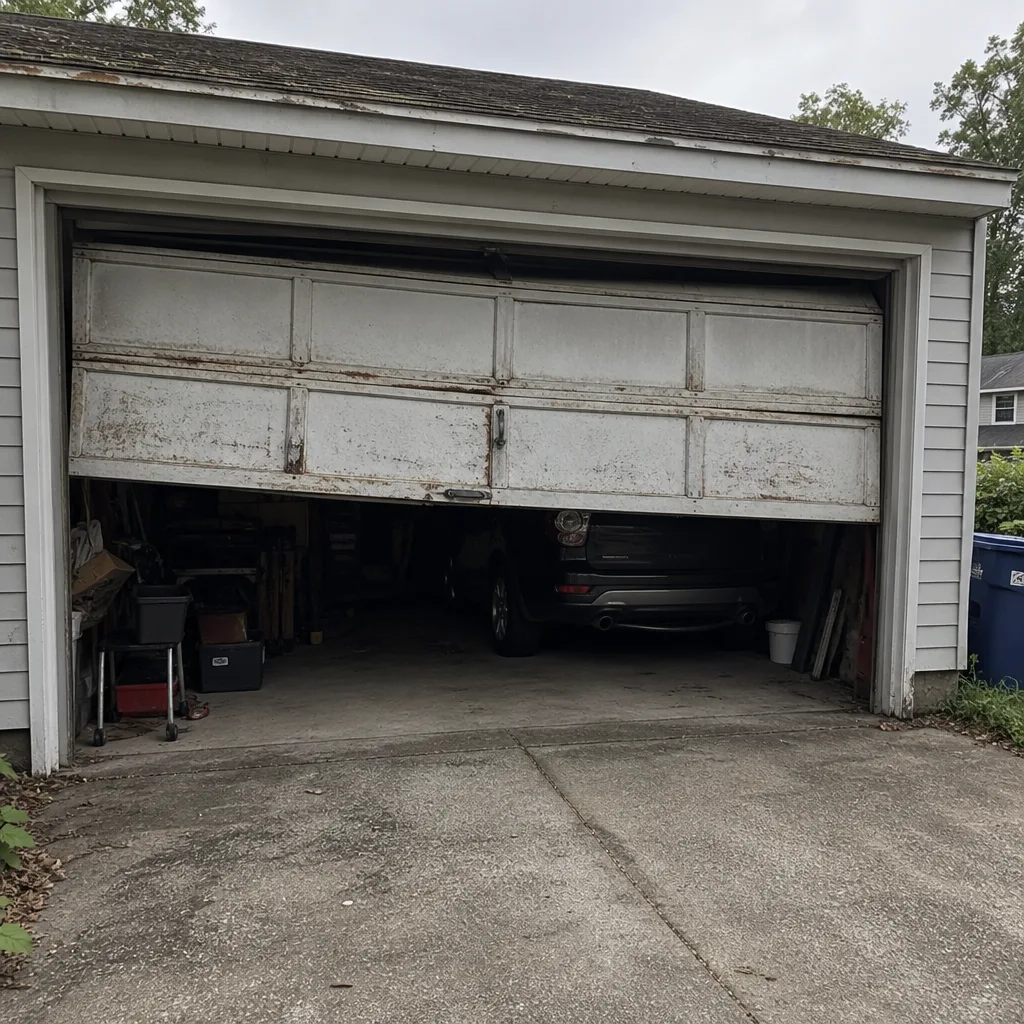 Before
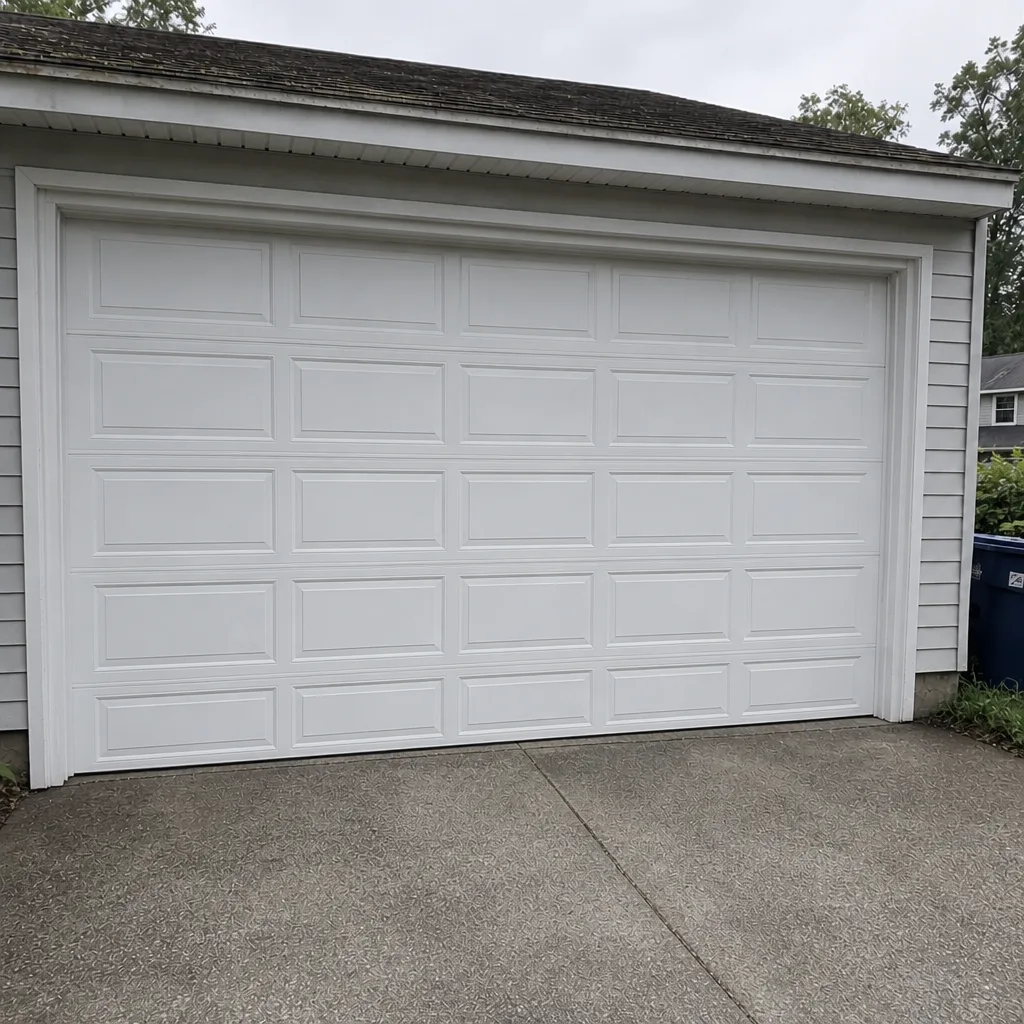 After
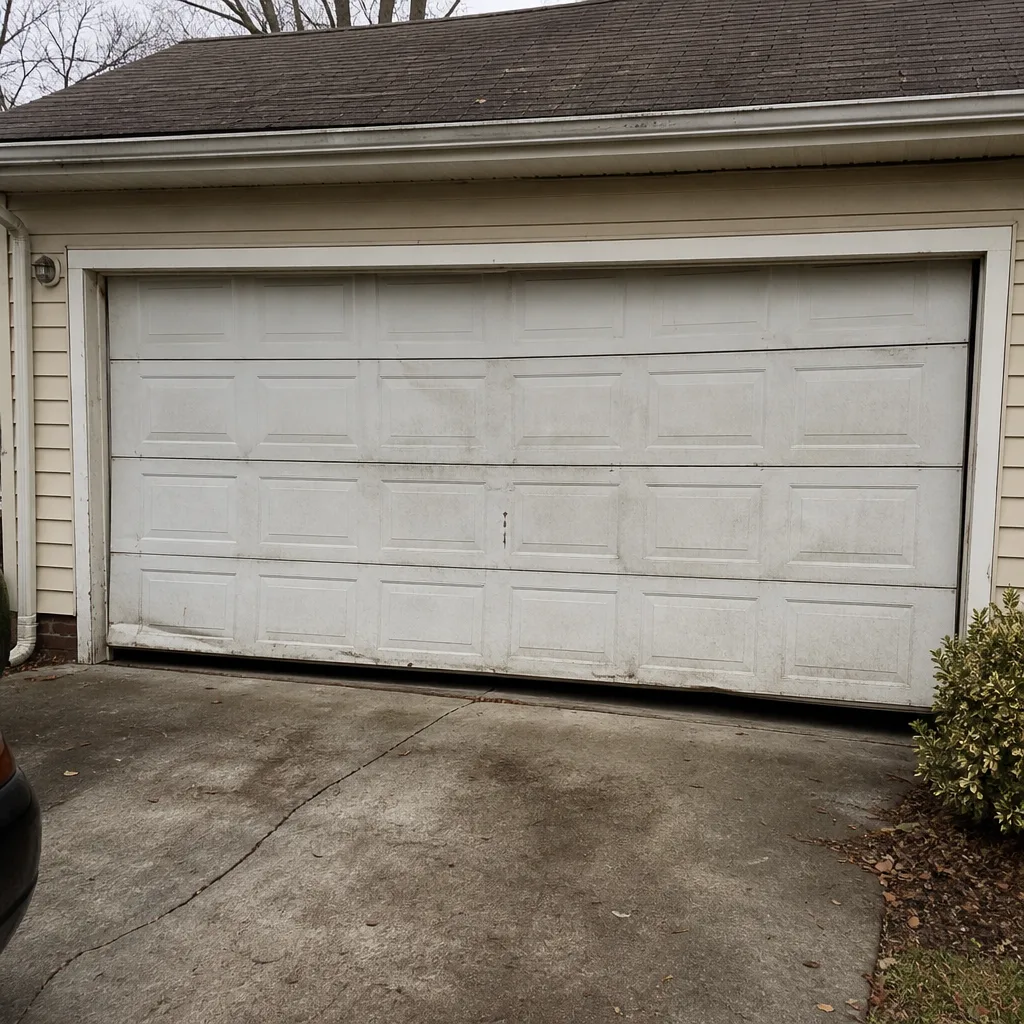 Before
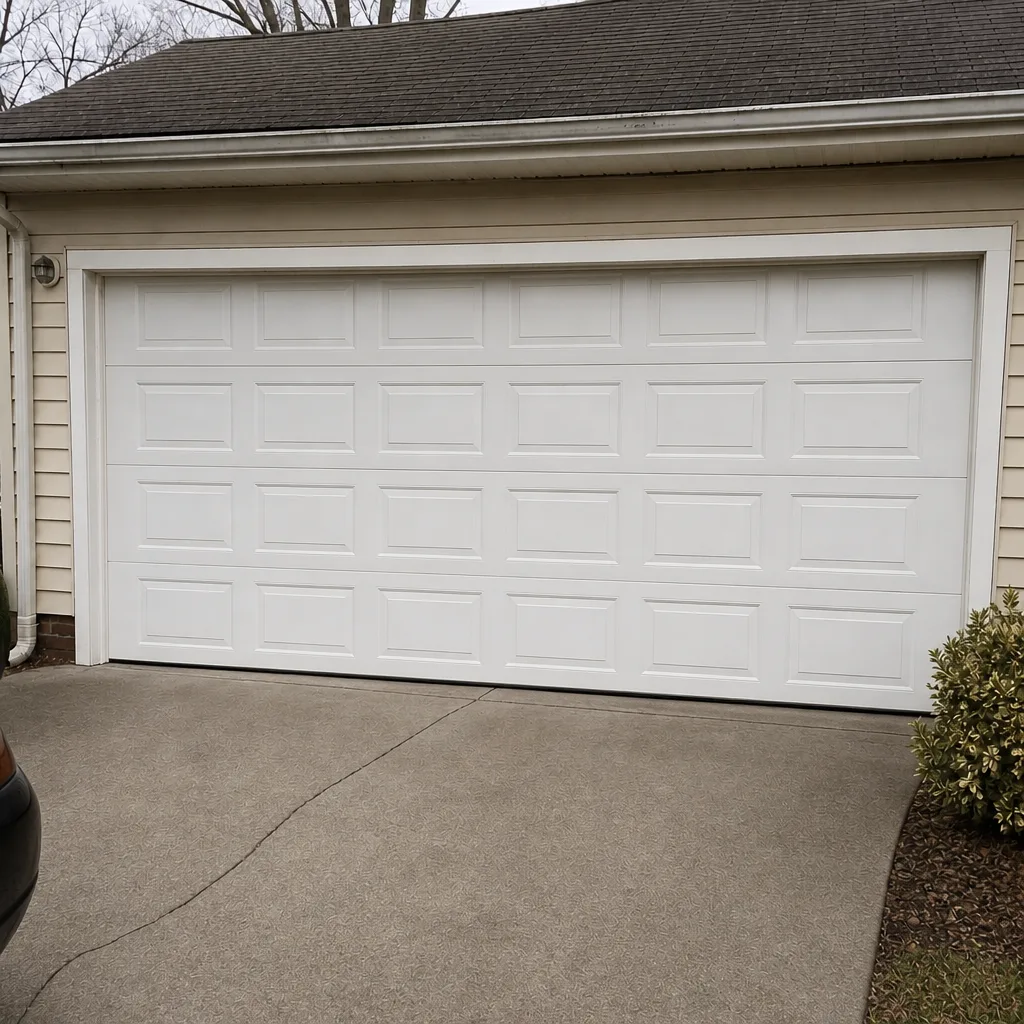 After
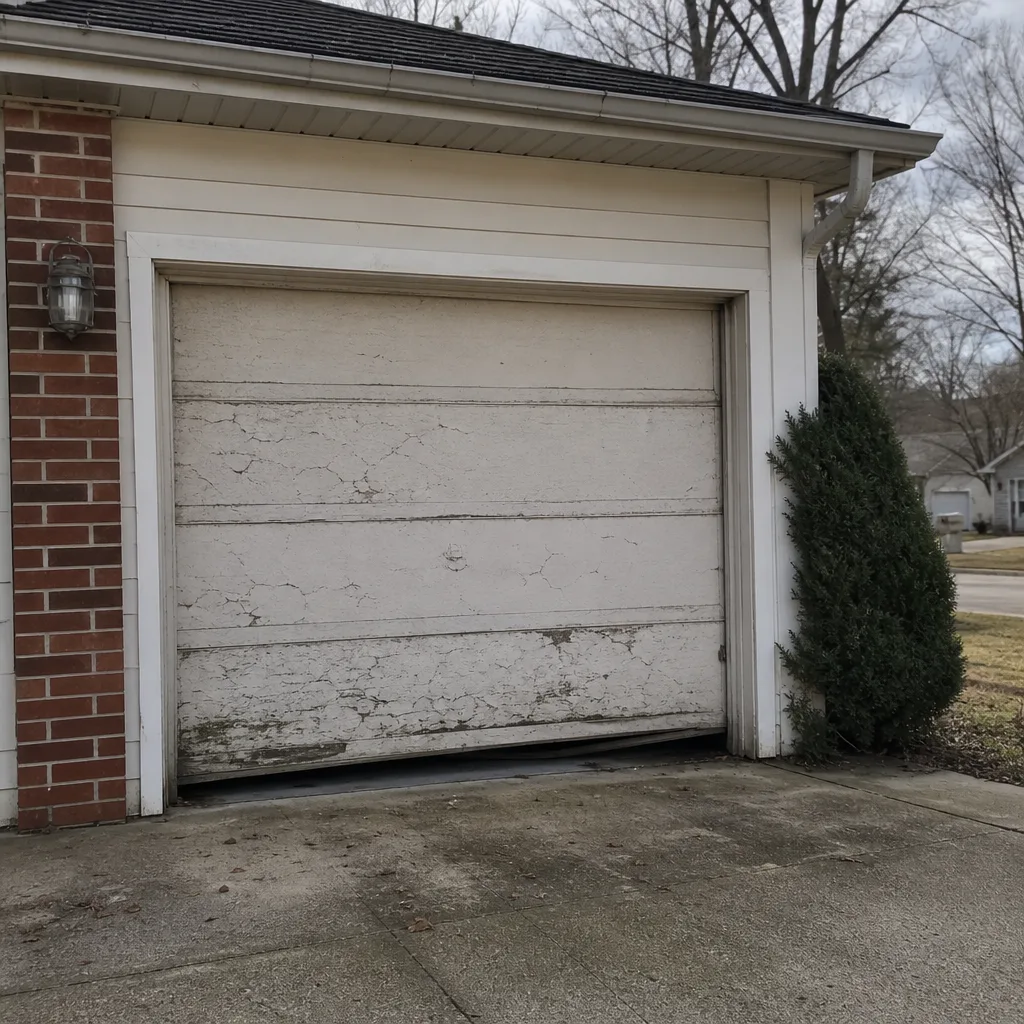 Before
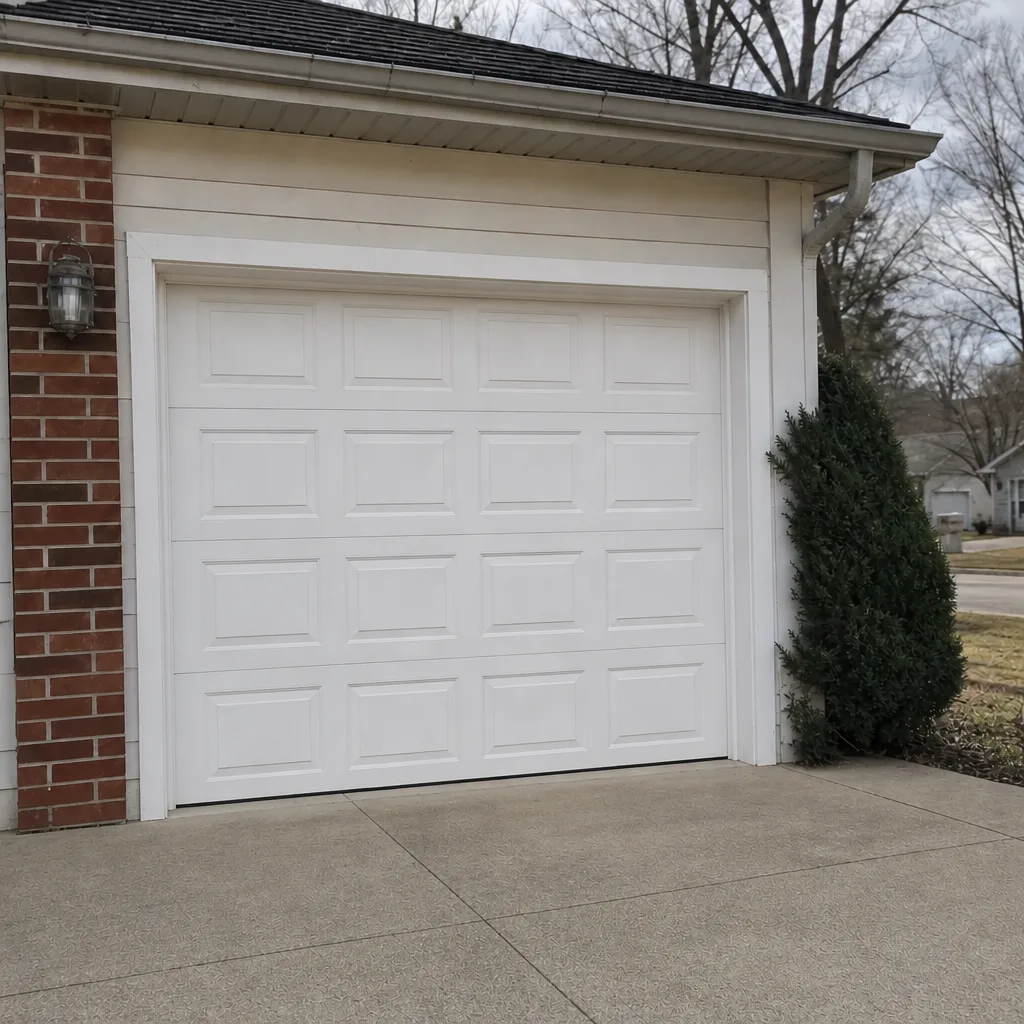 After
When to Call a Professional
Call a professional the moment the symptom points to a spring, a cable, or a structural problem with the door. A broken spring, a snapped cable, a crooked door, or a door that won’t stay up are all stop-and-call situations. So is a failed safety reverse – do not use a door that won’t reverse on obstruction. If you’re unsure, describe the behavior and let a specialist confirm. Garage Door Repair Lynnhaven offers free estimates in Lynnhaven – call (877) 792-5898. Our technicians have up to 11 years of experience, work on virtually every major brand, and carry the right parts for both torsion and extension systems. Fast dispatch from 7am to 7pm, Sunday through Friday, for same-day repair. For emergency situations where the door won’t budge, we’re a distinct service line, not a next-week appointment.
Frequently Asked Questions
The most common cause is a misaligned or dirty photo eye sensor, but in Lynnhaven’s humidity the closer culprit is often a swollen bottom seal or binding weatherstripping that the door reads as an obstruction. Wipe both sensor lenses first, check for steady LED lights, then inspect the bottom seal for swelling or hardening. If neither fixes it, the door’s travel limits or the opener logic board may need attention – call (877) 792-5898 for a free estimate and we’ll diagnose it in one visit.
No. Torsion and extension springs store dangerous mechanical energy, and a mistake can cause serious injury. This is the one repair we never recommend for a homeowner. Leave the door down or up (whichever is safe) and call a specialist. Our technicians have up to 11 years of experience with both spring systems, and the price is quoted before any work starts. Call (877) 792-5898 – estimates are free.
The flashes are a diagnostic code. Your opener’s LED blinks a repeating pattern that maps to a specific fault – sensor obstruction, travel-limit error, logic-board fault, and so on. Count the flashes, then check your brand’s code chart (LiftMaster, Chamberlain, Genie, and Raynor publish their own). Write the number down: it’s the single most useful detail to give a technician when you call. Call (877) 792-5898 for help reading it if you’re unsure.
Most common repairs fall between $100 and $400 depending on the component. Spring replacement is typically $180 to $340 per spring, and a matched pair is usually replaced together at about twice that. Opener repairs run $180 to $400, and a tune-up or adjustment is on the lower end of those ranges. A written estimate sets the final price. Call (877) 792-5898 for an exact quote – estimates are free.
Often yes. We offer same-day service for urgent failures and fast dispatch from 7am to 7pm, Sunday through Friday. We answer 24/7, and a call outside dispatch hours is booked into the next opening. If your door won’t close or won’t open and you need it secured, call (877) 792-5898 and describe what’s happening – we’ll tell you the fastest available path.
The written quote is the price. The estimate is agreed before any work starts, and if a hidden issue turns up mid-job, the technician shows you the problem and quotes the added work before proceeding – you decide. We don’t add parts without your approval. Call (877) 792-5898 for a free estimate. We answer 24/7.
We work on virtually every major brand, including LiftMaster, Chamberlain, Genie, Clopay, Amarr, Wayne Dalton, Craftsman, and Raynor. That covers nearly every system a Lynnhaven homeowner is likely to have. If you’re not sure which brand you have, check the label on the opener’s motor housing or tell us what the door looks like. Call (877) 792-5898 and we’ll confirm.
The Bottom Line
Garage door troubleshooting works best when you read the door instead of guessing. Match the symptom to the component, check the blink code on your opener, and handle the safe fixes yourself: sensors, seals, lubrication, and travel limits. The moment the problem touches springs, cables, or the door’s balance, stop and call – that’s where a careful homeowner hands off to a specialist. In Lynnhaven’s humid climate, the bottom seal and the photo eye lenses catch more nuisance reversals than any other two parts, so check those first. From a single broken cable to a full door replacement, one call covers it. Our Garage Door Repair Lynnhaven team works on virtually every major brand, and the price is quoted before any work starts.
If you’ve diagnosed your door and you’re ready for a specialist, call (877) 792-5898 for a free estimate. We answer 24/7. Fast dispatch from 7am to 7pm, Sunday through Friday. Same-day repair is often available, and our technicians have up to 11 years of experience – so you get the right diagnosis and the right fix the first time.
Written by the team at Garage Door Repair Lynnhaven.