
Last updated November 22, 2026
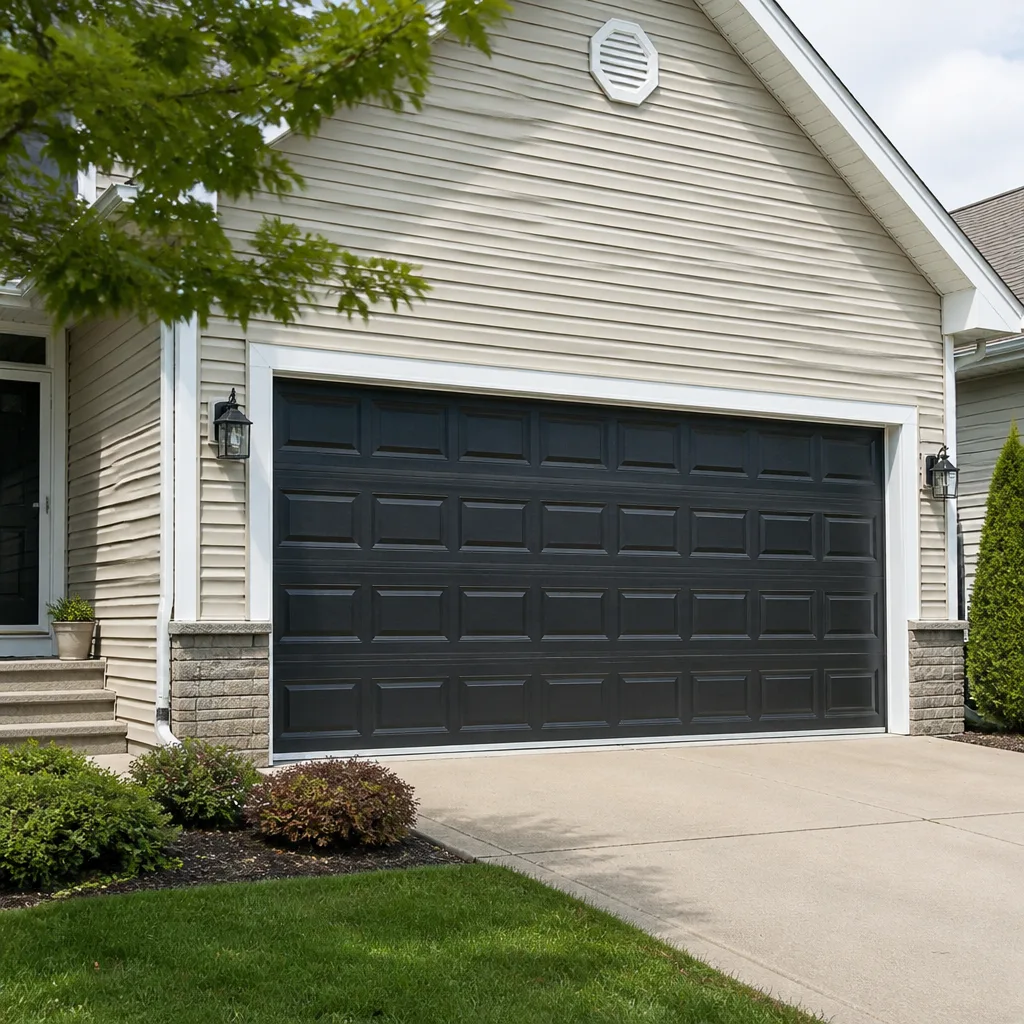 Raised-panel steel
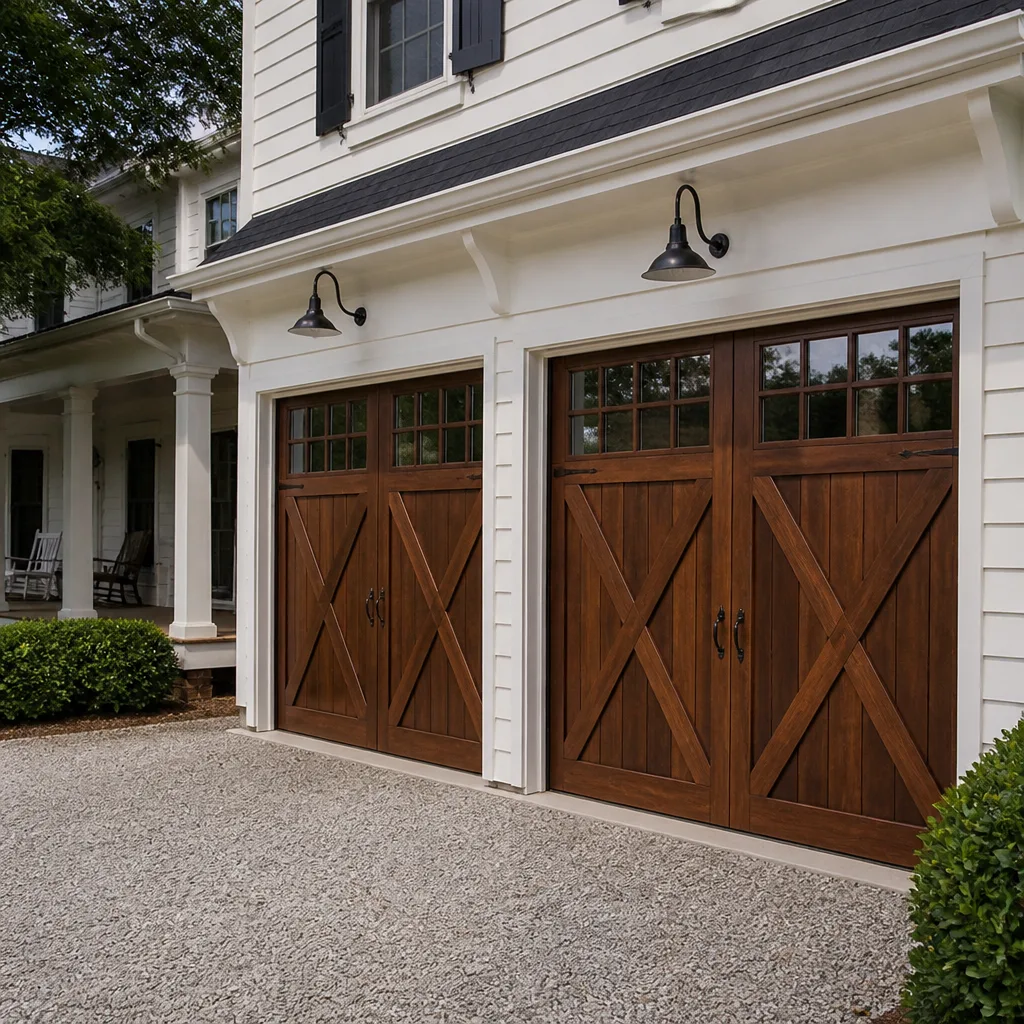 Carriage house
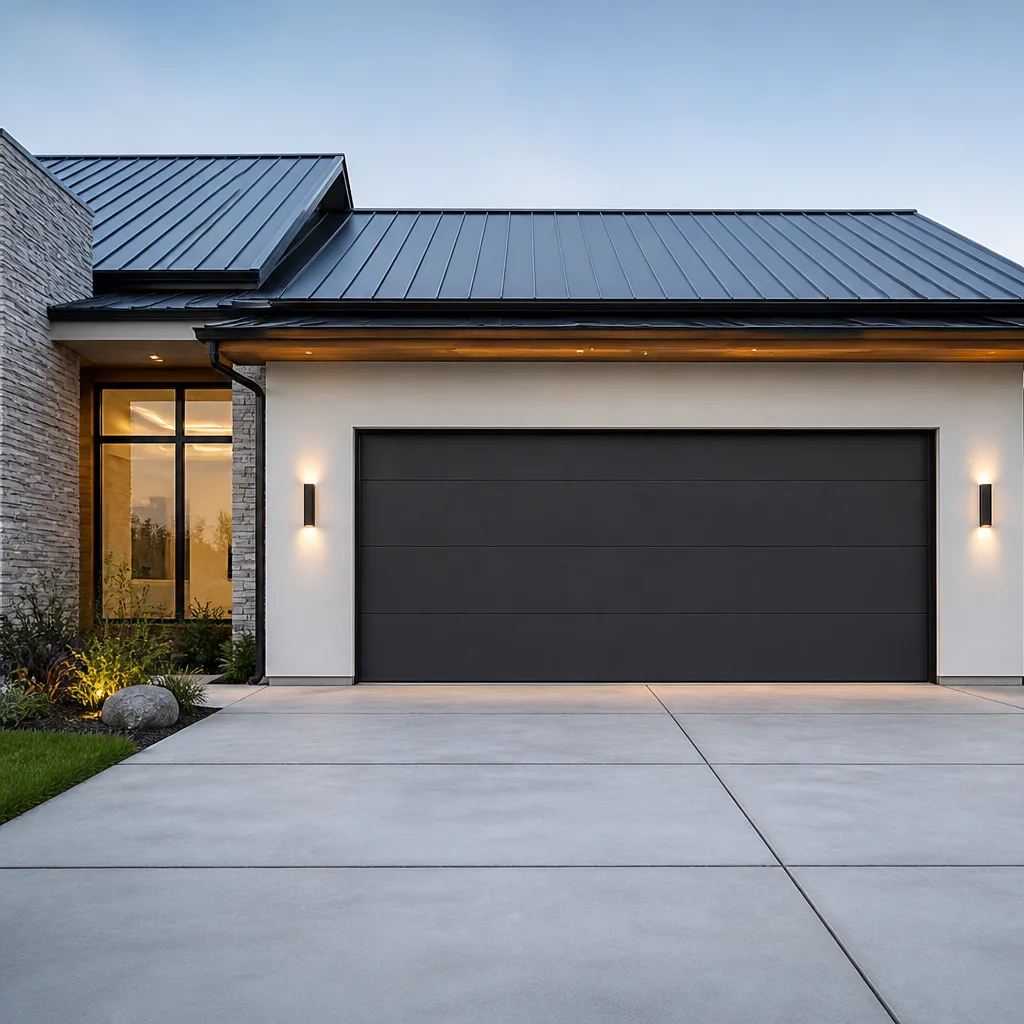 Modern flush
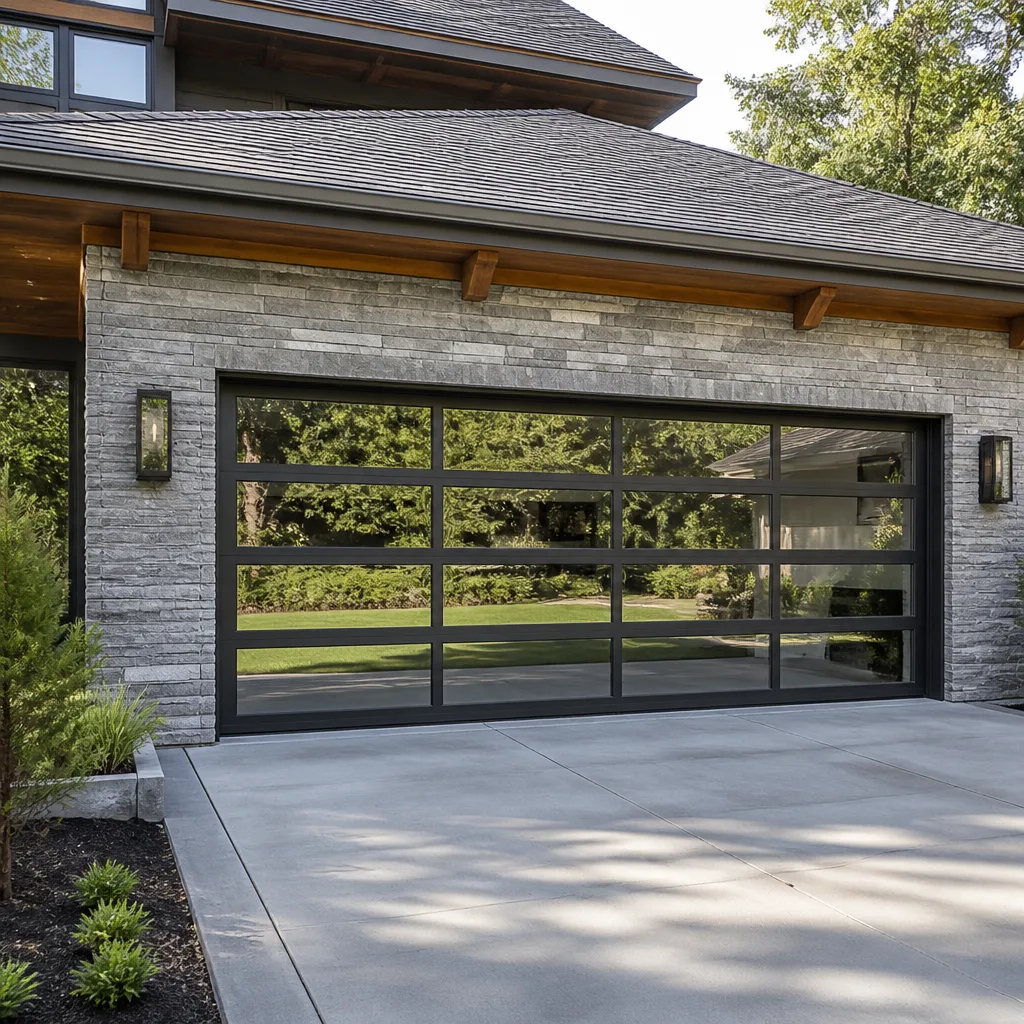 Full-view glass
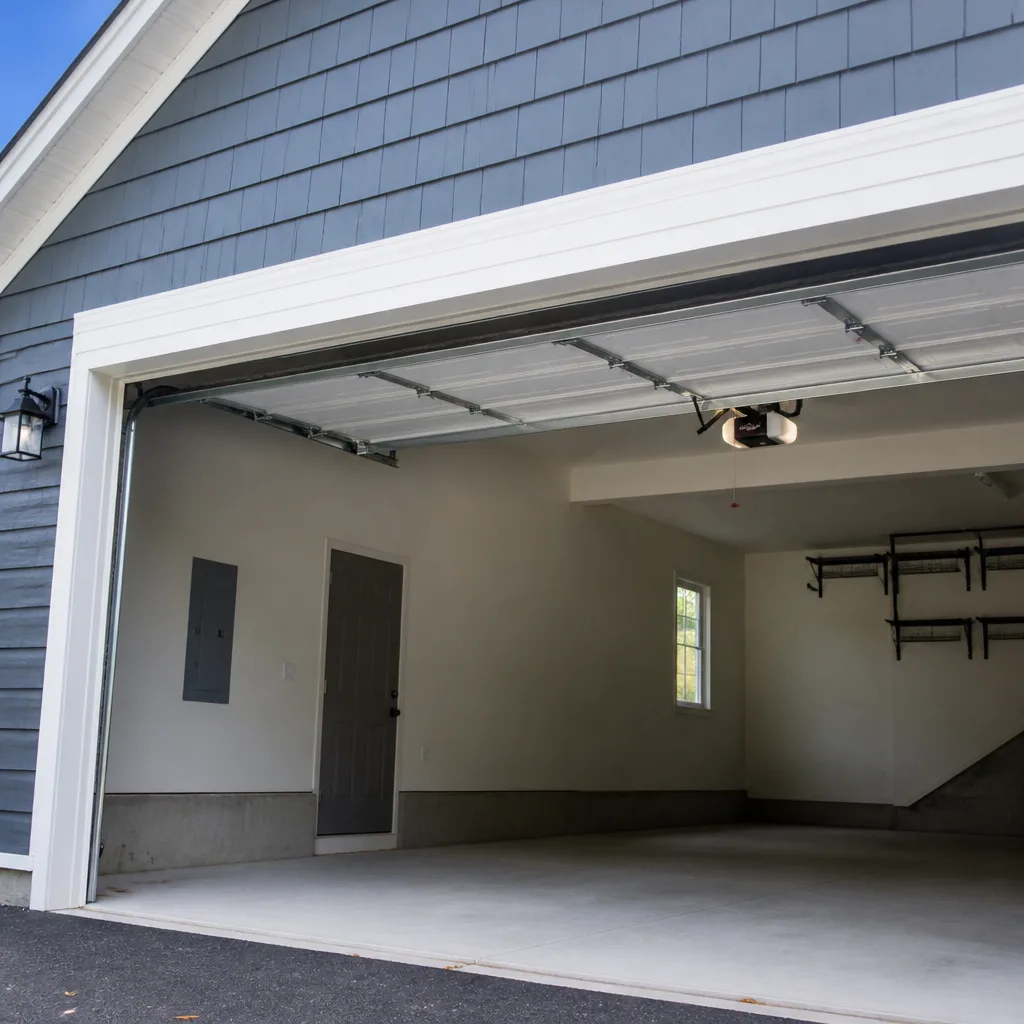 LiftMaster openers
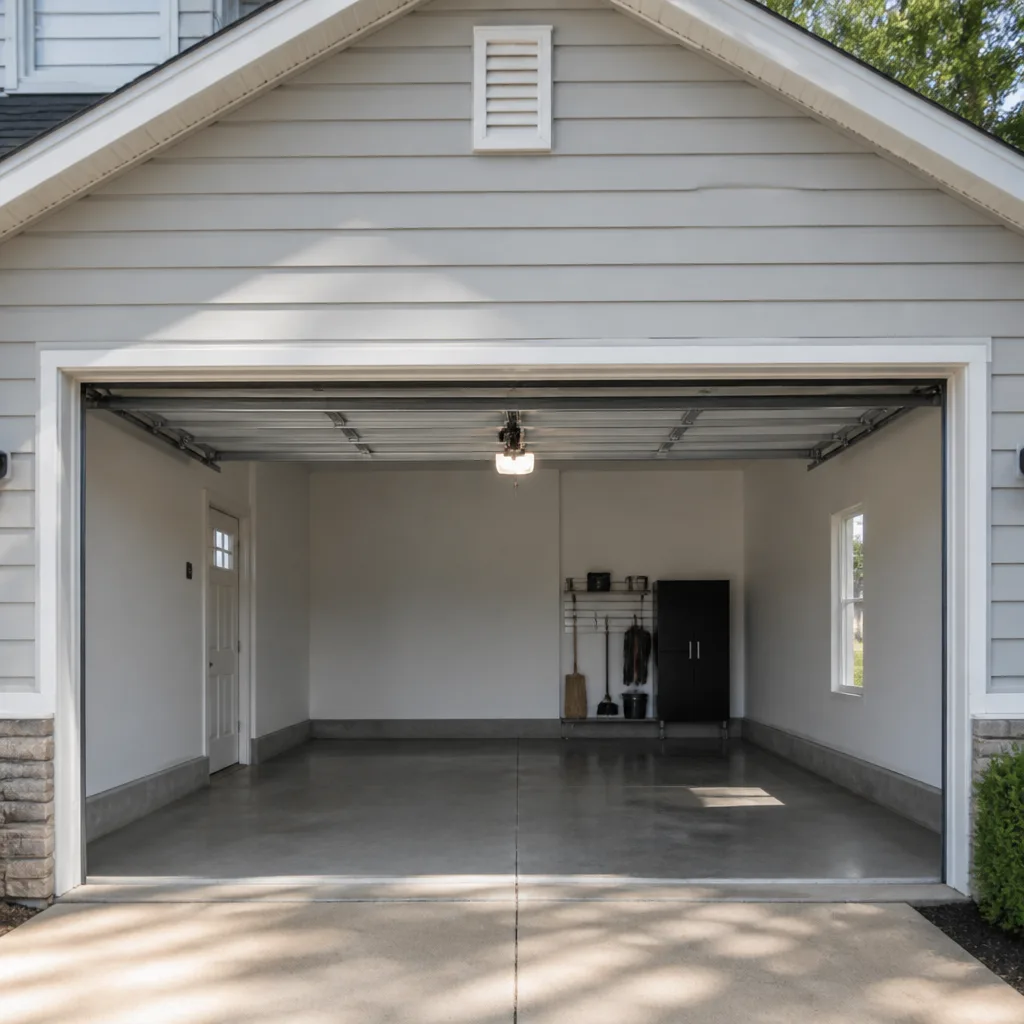 Chamberlain openers
Full 25-point door and opener safety check with every visit - springs, cables, rollers, tracks, and your LiftMaster or Chamberlain opener included
You get a price before we start. It does not change when the pro arrives.
Get your free estimateSeasonal Garage Door Care for Lynnhaven: Year-Round Homeowner’s Guide
Most seasonal garage door advice was written for Minneapolis. It tells you to inspect springs after the last freeze, clear snow from the bottom seal, and watch for rust from road salt. None of that maps onto Lynnhaven. Here, the maintenance calendar runs on a coastal Virginia rhythm: a humidity peak in late summer, hurricane season that peaks in late August and September, a long mild autumn, and a winter that rarely freezes hard but still stresses metal. The single most important maintenance window in Lynnhaven isn’t spring at all. It’s the weeks before hurricane season peaks. This guide walks through what actually happens to a garage door in this climate, month by month, and how to keep yours working through all of it.
Styles & brands we work with
- Raised-panel steel
- Carriage house
- Modern flush
- Full-view glass
- LiftMaster openers
- Chamberlain openers
Quick Answer
Garage door maintenance in Lynnhaven follows a hurricane-first calendar, not a frost-and-thaw one. The critical checkpoints are late August (before storm season peaks), November (when humidity drops and hardware needs adjustment), February (a mild-winter inspection), and May (clearing pollen and preparing for heat). Temperature swings between humid summers and cool winters shift spring tension and wear on seals, so each season calls for a specific look at different parts of the system.
Table of Contents
- Why Lynnhaven’s Maintenance Calendar Looks Nothing Like the National Advice
- August: The Hurricane Prep Window
- November: The Humidity Drop and What It Does to Your Door
- February: The Mild Winter Check
- May: Post-Pollen, Pre-Heat Season
- How Lynnhaven’s Temperature Swings Affect Spring Tension
- Hardware Corrosion: What the Humidity Actually Does
- Post-Storm Inspection: What to Check After a Nor’easter
- Common Mistakes to Avoid
- When to Call a Professional
- Frequently Asked Questions
- The Bottom Line
Why Lynnhaven’s Maintenance Calendar Looks Nothing Like the National Advice
Most garage door maintenance schedules are built around one idea: winter is the enemy. Frozen ground, ice dams, salt on the roads, springs that contract in the cold. That framework makes sense in the upper Midwest and Northeast. It doesn’t fit Lynnhaven, where winters are mild enough that a hard freeze is the exception rather than the rule, and where the real seasonal stress comes from heat, humidity, and storms off the Atlantic.
The differences matter because they change what you check and when. A northern homeowner inspects springs in April after a winter of contraction and expansion. A Lynnhaven homeowner should be inspecting the whole system in late August, when the door has spent three months in humid air and hurricane season is about to peak. Those are different tasks aimed at different failure modes.
Three things drive the Lynnhaven calendar:
- Summer humidity. From roughly June through September, the air holds a lot of moisture. That affects lubricant, hardware, seals, and the wood or steel substrate of the door itself.
- Hurricane season. Storm season in this part of Virginia peaks in late August and September. Wind loading, door reinforcement, and the manual release all become relevant in a way they aren’t in a landlocked city.
- A mild but real winter. Temperatures drop enough to change spring tension and stiffen seals, but not enough to justify the heavy winterization routine you’d see further north. The February check is a light inspection, not a major overhaul.
If you’ve been following a generic maintenance checklist and wondering why it feels slightly off, that’s why. The rest of this guide rebuilds the calendar around what Lynnhaven doors actually go through. When something does need hands-on work, our Garage Door Repair Lynnhaven team handles it across every major brand, and the seasonal checks below are the best way to catch problems before they turn into a call.
August: The Hurricane Prep Window
Late August is the most important maintenance window on the Lynnhaven calendar. Hurricane season in the mid-Atlantic builds toward its peak around this time, and a garage door is the largest opening in most homes. A door that’s properly reinforced, correctly rated, and mechanically sound is a very different thing from one that isn’t when wind pushes against it. This is the month to check all three.
The August checklist has four parts:
- Verify the wind load rating. Every garage door sold in the US carries a design pressure rating, and homes in wind-prone areas often need a specific rating to meet local building requirements. Check the label on the door or the original paperwork. If you can’t find the rating, ask your city’s building department what’s required for your address. If your door predates current requirements, that’s worth knowing before storm season, not after.
- Inspect the reinforcement hardware. Wind-rated doors use horizontal reinforcement struts, heavier hinges, and in some cases a center post or bracing kit. Look for bent struts, loose fasteners, or missing hardware. If your door has none of this and you’re in a wind-exposed spot, reinforcement is a real upgrade to discuss with a specialist.
- Test the manual release. This is the step people skip. Every opener has a red release handle that disconnects the door from the drive system so you can open it by hand if the power goes out. Pull it, open and close the door manually a few times, then reconnect. If the door is hard to move by hand or won’t reconnect cleanly, that’s a warning sign. You don’t want to discover a stuck release during a power outage.
- Check the bottom seal and side weatherstripping. A worn seal lets wind-driven rain in and can whistle or flap under load. Replace it before the season, not during it.
If your opener is a LiftMaster or a similar belt or chain drive, this is also a good time to test the safety reverse. Put a piece of wood flat on the floor in the door’s path and close it. The door should reverse on contact. If it doesn’t, that’s an opener adjustment issue worth fixing before storm season. Our garage door opener repair service covers that across LiftMaster, Chamberlain, Genie, Craftsman, and the other major systems.
November: The Humidity Drop and What It Does to Your Door
By November, Lynnhaven’s summer humidity has broken. Average dew points fall, the air dries out, and everything that swelled slightly during the summer starts to contract. That shift is gentle, but it’s real, and it’s why November is the second checkpoint on the calendar.
What actually changes:
- Wood components shrink. If your door has wood panels, a wood frame, or wood jamb trim, summer moisture swells it and fall dryness pulls it back. Paint and caulk that looked fine in July can crack as the wood moves.
- Seals stiffen slightly. Rubber and vinyl weatherstripping gets less pliable as temperatures drop. A seal that compressed easily in August may start to leave small gaps.
- Hardware loosens. The repeated expansion and contraction of the door and frame over a full season works fasteners loose. Hinges, brackets, and track bolts are worth a torque check.
- Lubricant thins out or migrates. Summer heat can thin lubricant and let it run off the moving parts it was meant to protect. By November, rollers and hinges may be running drier than they should.
The November routine is simple: walk the door, listen for squeaks, look for loose fasteners, check the seal contact along the floor, and re-lubricate the moving parts with a proper garage door lubricant (not WD-40, which is a solvent, not a lubricant). If the door has developed a rattle or a squeak that wasn’t there in the summer, that’s the season shift talking. Catching it in November is much cheaper than catching it in March after months of wear.
February: The Mild Winter Check
Lynnhaven winters are mild compared to most of the country, but they’re not nothing. Overnight temperatures drop below freezing with some regularity, daytime temps climb back up, and the cycle repeats. That repeated small swing is exactly the kind of stress that wears on springs, seals, and opener components, just at a lower amplitude than a Minnesota winter.
What to check in February:
- Listen to the door. Cold oil and stiff rollers make more noise. A door that’s noticeably louder in February than it was in October is telling you something. Some seasonal noise is normal. A grinding or popping sound is not.
- Check the spring visually. Look for gaps, sagging, or a spring that looks stretched compared to its neighbors. Don’t touch it. Torsion and extension springs are under extreme tension, and this is one inspection that stays visual.
- Test the balance. Disconnect the opener with the manual release, lift the door halfway, and let go. A balanced door stays put. A door that drifts down or slams up needs a spring or tension adjustment.
- Look at the bottom seal again. A seal that stiffened in the cold may not be contacting the floor evenly. If you can see daylight or feel a draft under the door, the seal needs attention.
- Check the opener’s force settings. Cold makes the door harder to move, and an opener that’s running near its force limit in summer may struggle in February. If the door reverses for no reason or stops partway, the opener needs adjustment.
This is also the time to look at the door’s finish. Mild as it is, a Lynnhaven winter still brings enough moisture and temperature cycling to work on paint and stain. If the finish is chalky or peeling, spring is the time to address it, not summer when it’s too hot to paint.
May: Post-Pollen, Pre-Heat Season
May is the cleanup month. Pollen season in this part of Virginia coats everything, including the tracks and rollers on your garage door. That yellow-green film isn’t just cosmetic. Pollen mixed with the lubricant on your rollers and hinges turns into a sticky paste that attracts dust and grit, and grit is what wears moving parts out.
The May routine:
- Clean the tracks. Wipe down the inside of the vertical and horizontal tracks with a damp cloth. Don’t lubricate the tracks themselves. Tracks should be clean and dry, not greasy.
- Clean and re-lubricate the moving parts. Rollers, hinges, and the spring (a light spray, not a soak) get a proper garage door lubricant. Wipe off the old pollen-and-grease paste first.
- Check the photo-eye safety sensors. The sensors near the floor at each side of the door should be clean and aligned. Pollen and dust on the lenses can cause false reversals. Wipe them and confirm the indicator lights are solid.
- Inspect the door panels and finish. Look for cracks, dents, or paint failure. Summer heat and UV are harder on the door than winter is in this climate. Catching finish problems in May means you fix them before the sun bakes them in.
- Check the opener’s drive belt or chain. If it’s loose or frayed, address it now. Heat and heavy use over the summer will only make it worse.
May is also the best month to schedule a full tune-up if you haven’t had one. The heat is coming, the door is about to get its heaviest use of the year, and a door that’s clean, lubricated, and adjusted in May will run through the summer with far fewer surprises.
How Lynnhaven’s Temperature Swings Affect Spring Tension
Springs hold the entire weight of the door. A standard residential door weighs somewhere in the range of 130 to 350 pounds depending on size, material, and insulation, and the springs are what make it feel light enough to lift with one hand. That balance is tuned to a specific tension, and tension is affected by temperature.
Metal expands when it’s warm and contracts when it’s cold. In a Lynnhaven summer, a torsion spring in an uninsulated garage can sit in air well above outdoor temperature. In February, that same spring can be cold-soaked overnight. The spring doesn’t change tension dramatically across that range, but it changes enough that a door balanced in July can feel slightly heavy in January, and a door that’s already a little off can become noticeably hard to lift.
What that means in practice:
- A door that’s hard to lift by hand in cold weather may just need a tension adjustment. It may also be telling you the spring is near the end of its life.
- An opener that has to work harder in cold weather stresses its motor and drive components. If your opener strains in February, the spring balance is worth checking.
- Doors with extension springs (the ones that run along the horizontal track) are more visibly affected by temperature than torsion spring setups, and they’re also the more dangerous type to inspect closely.
This is the one area of seasonal maintenance where we tell homeowners to stop at looking. Torsion springs are under extreme tension and can cause serious injury if handled without the right tools and training. The visual check is yours. The adjustment is a professional’s job. If you’re not sure whether your door is out of balance, our garage door repair service includes a proper balance check, and our technicians have up to 11 years of experience with both torsion and extension systems.
Hardware Corrosion: What the Humidity Actually Does
Lynnhaven’s summers are humid, and humidity is harder on garage door hardware than most homeowners realize. The garage is often the least climate-controlled space in the house. Doors open and close, outside air comes in, and the interior stays muggy for months. That’s a slow corrosion environment.
The parts most affected:
- Hinges. Steel hinges with a light factory coating corrode at the pivot points first. Once corrosion starts, the hinge gets stiff and starts wearing the roller stem it holds.
- Rollers. Steel rollers corrode faster than nylon. Nylon rollers resist humidity far better and run quieter, which is why they’re a common upgrade.
- Track fasteners and brackets. Lag bolts and brackets holding the track to the jamb are often the first thing to show surface rust.
- Springs. Coated torsion springs resist corrosion longer than uncoated ones. Oil-tempered springs are standard; the coating is what determines how long they last in humid air.
- The bottom of the door. The bottom section takes the most moisture from the floor and the most splash from rain. Steel doors with a poor bottom seal corrode from the inside out.
The practical timeline is straightforward. Hardware that’s properly lubricated and kept clean holds up well through Lynnhaven’s humid season. Hardware that’s left dry, or that’s already showing surface rust, degrades faster because the corrosion accelerates once it starts. The fix is simple: lubricate twice a year (November and May on this calendar), inspect for rust at each seasonal check, and replace corroded rollers and hinges before they wear out something more expensive.
If you’re replacing hardware, ask about corrosion-resistant options. Nylon rollers, galvanized or stainless hinges, and coated springs all cost a little more up front and last considerably longer in a humid climate. When the time comes for a new door, our garage door installation service covers brands like Raynor and Wayne Dalton, both of which offer finishes and hardware packages built for humid climates.
Post-Storm Inspection: What to Check After a Nor’easter
After a nor’easter or a tropical system passes through, the instinct is to open the garage and get back to normal. Give it ten minutes first. A storm can do subtle damage that a loaded door will turn into a serious failure. Here’s the inspection sequence we recommend, in order:
- Look before you touch. Stand back and look at the door from the outside. Is it sitting level? Are the panels straight? Is the door fully closed and seated in the frame? If anything looks visibly bent or off-track, stop here and call a professional.
- Check the tracks. Look for debris, bent track, or track that’s pulled away from the jamb. A single bent section can knock the door off its track and is not something to correct by force.
- Look at the springs and cables. Visual only. A broken spring will have a visible gap. A cable that’s jumped a drum or gone slack is a serious safety issue. If you see either, don’t run the opener.
- Check the bottom seal and panels. Wind-driven rain and debris can tear the bottom seal, dent panels, or force water into the bottom section. Dents in the bottom panel are worth inspecting from inside as well.
- Test the door by hand first. Disconnect the opener with the manual release and lift the door manually. It should move smoothly and stay balanced. If it binds, grinds, or feels heavy, reconnect and call for service.
- Reconnect and run the opener once. Watch and listen. A door that runs smoothly on the first cycle is probably fine. A door that shudders, pops, or reverses is not.
If the storm dropped a limb on the door, if the door came off its track, or if the opener won’t run at all, that’s an emergency situation. A stuck door is a security issue for the house and an access issue for the car. Our emergency service exists for exactly this scenario, and a call to (877) 792-5898 gets a technician scheduled. We answer 24/7. Fast dispatch from 7am to 7pm, Sunday through Friday.
Common Mistakes to Avoid
- Following a northern maintenance calendar. If your checklist is built around frost and road salt, it’s aimed at the wrong climate. In Lynnhaven, the August hurricane prep window matters more than the spring thaw check.
- Assuming a mild winter means no winter check. Lynnhaven winters are gentle, but the small repeated temperature swings still work on springs, seals, and opener settings. A February inspection catches balance problems before they get expensive.
- Skipping the manual release test. The red handle on your opener is a safety device you’ll need exactly once, in a moment when you don’t have time to figure it out. Test it before storm season, not during a power outage.
- Lubricating the tracks. Tracks should be clean and dry. Grease on the tracks collects grit and wears the rollers out faster. Lubricate the rollers, hinges, and springs, not the track itself.
- Using WD-40 as a lubricant. It’s a penetrating solvent, not a long-term lubricant. It’ll clean a hinge but won’t protect it. Use a proper garage door lubricant for the moving parts.
- Touching the springs. Visual inspection is fine. Adjustment is not. Torsion springs are under extreme tension and cause serious injuries every year when homeowners try to adjust them without training.
- Ignoring pollen on the rollers. The yellow film that coats everything in May isn’t cosmetic. Mixed with lubricant, it turns into an abrasive paste that wears rollers and hinges out from the inside.
- Running the door after a storm without inspecting. A storm can bend a track or knock a cable off its drum in a way that looks minor until the door runs and the whole system fails. Ten minutes of inspection saves a much bigger repair.
When to Call a Professional
Some seasonal maintenance is genuinely yours to do: cleaning tracks, testing the manual release, wiping pollen off the rollers, and looking for visible damage after a storm. Everything involving tension, adjustment, and structural correction belongs to a trained technician. Specifically, call us when the door is out of balance, when a spring is visibly sagging or broken, when a cable has gone slack, when the opener strains or reverses for no reason, when the door is off its track or visibly bent, or when a storm has done damage you can see but can’t safely confirm.
Garage Door Repair Lynnhaven offers free estimates in Lynnhaven. Call (877) 792-5898. We answer 24/7. Fast dispatch from 7am to 7pm, Sunday through Friday. Our technicians have up to 11 years of experience, and we handle the full spectrum: springs, openers, panels, tracks, cables, and complete installations. Garage doors are all we do, which means we do them better.
Frequently Asked Questions
Late August, because that’s when hurricane season peaks and the door needs to be verified for wind rating, reinforcement, and manual release operation before a storm arrives. The other key windows are November (humidity drop), February (mild winter check), and May (post-pollen cleanup). If you do only one inspection a year in Lynnhaven, make it the August one.
Twice a year, in November and May, works well for Lynnhaven. The May application clears off the pollen buildup from spring, and the November application protects the moving parts through the humidity drop and into the colder months. Use a proper garage door lubricant on rollers, hinges, and springs, not WD-40, and keep the tracks clean and dry.
Some stiffness in cold weather is normal because metal contracts and seals stiffen, but a door that’s noticeably hard to lift or that strains the opener is telling you the spring tension is off. That’s worth having checked. Don’t try to adjust the springs yourself. They’re under extreme tension and cause serious injuries when handled without the right tools and training. Call (877) 792-5898 for a balance check. Estimates are free.
Look at the door from outside first for level and straight panels, then check the tracks, springs, and cables visually, then test the door by hand with the manual release before running the opener. If anything looks bent, off-track, or broken, don’t run the door. Call a professional. Our emergency service handles storm damage and doors that won’t budge, and we answer 24/7 with fast dispatch from 7am to 7pm, Sunday through Friday.
That depends on your address and local requirements. Homes in wind-exposed areas often need a specific wind load rating, and the best way to know what’s required is to ask Lynnhaven’s building department about your specific property. If your current door doesn’t meet current requirements or lacks reinforcement hardware, upgrading is worth a conversation. We install doors from brands like Wayne Dalton, Raynor, Clopay, and Amarr, and we can walk through the rating question with you.
No. A well-balanced spring system holds its settings across the seasonal range. But you should check balance at each seasonal inspection, and any door that fails the halfway test or that’s visibly off should get a professional look. Springs wear out over time, and the earliest warning sign is usually a door that’s slowly become harder to lift. Call (877) 792-5898 for an exact quote on any adjustment or repair. Estimates are free.
The Bottom Line
Lynnhaven’s seasonal garage door care runs on a different calendar than most national advice. The big window is August, before hurricane season peaks, when wind rating, reinforcement, and manual release all get checked. November catches the humidity drop and re-lubricates the moving parts. February is the mild winter balance check. May clears the pollen and gets the door ready for the summer heat. Twice-yearly lubrication, seasonal balance checks, and a post-storm inspection after every big system will keep a door running well for years. When something’s off, call (877) 792-5898 for a free estimate. We answer 24/7. Fast dispatch from 7am to 7pm, Sunday through Friday.
Written by the team at Garage Door Repair Lynnhaven.
See the difference
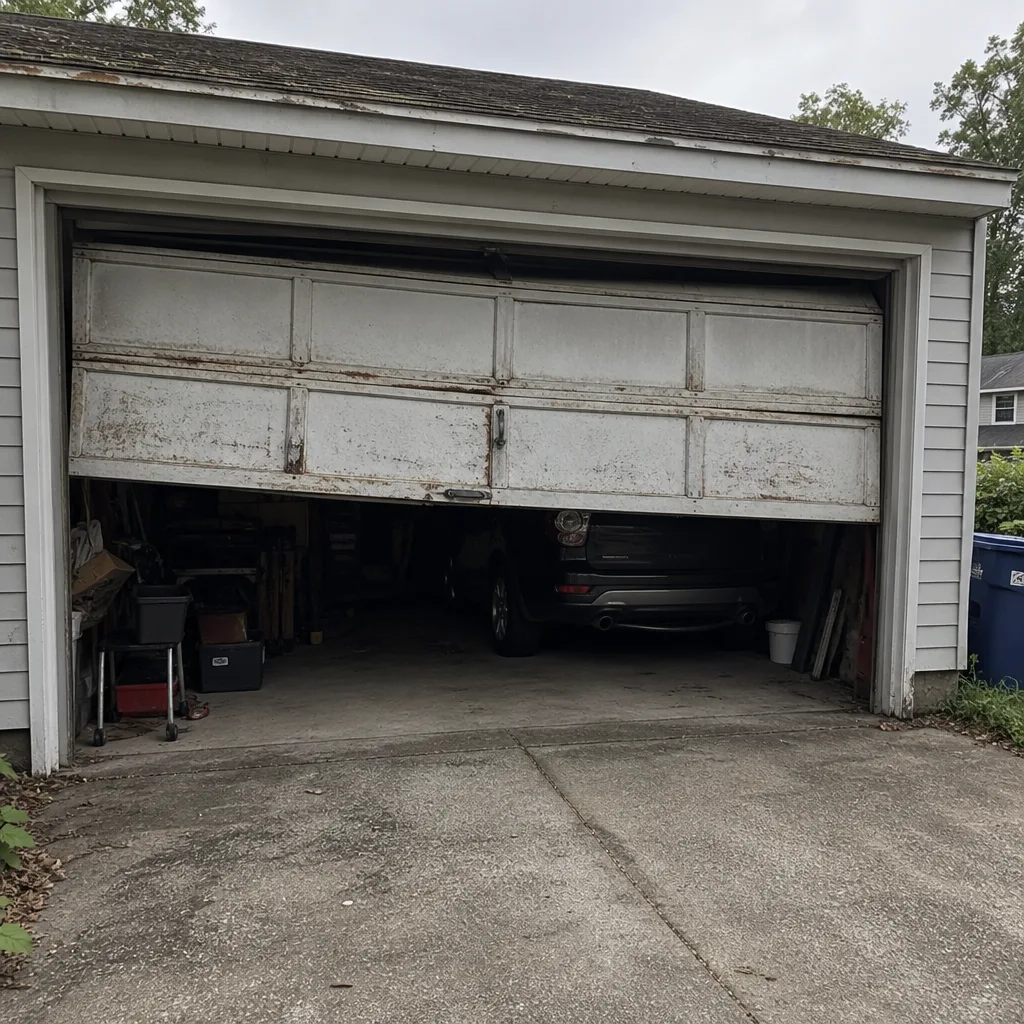 Before
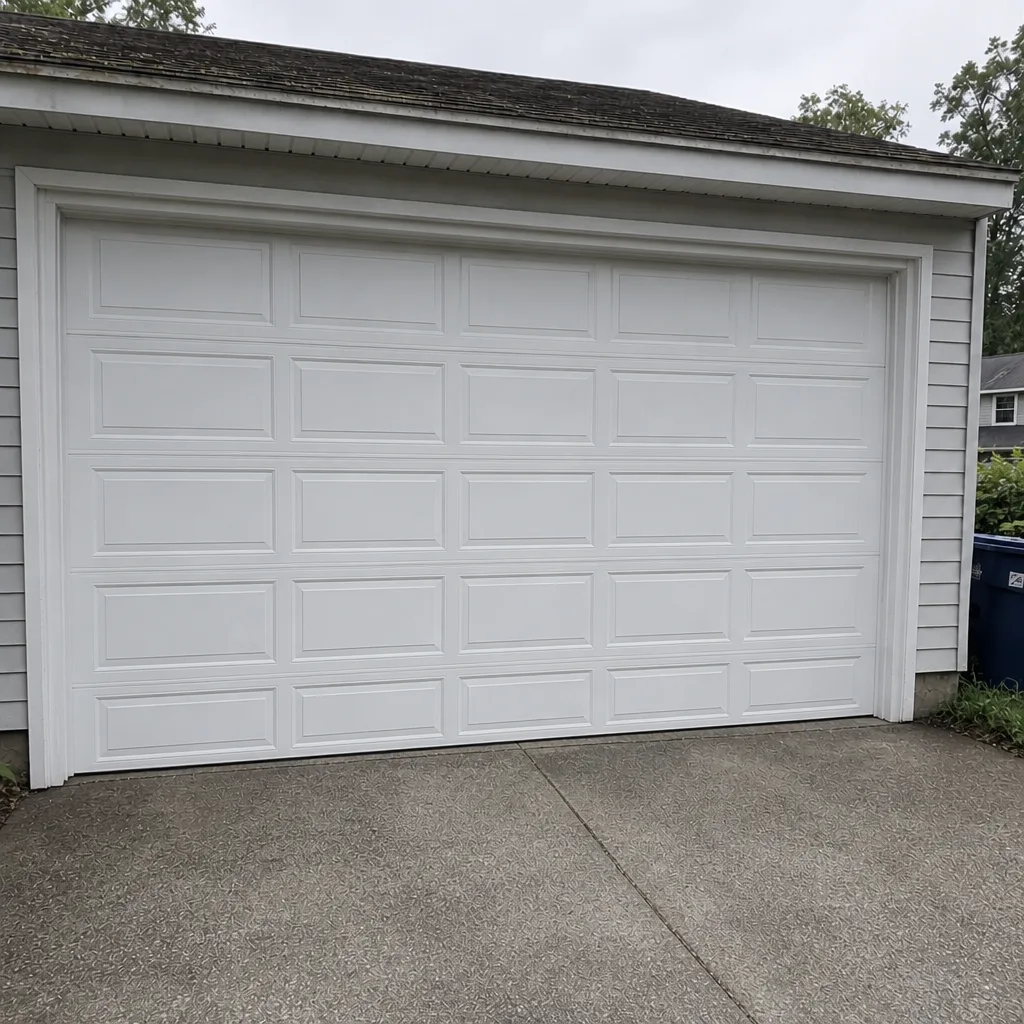 After
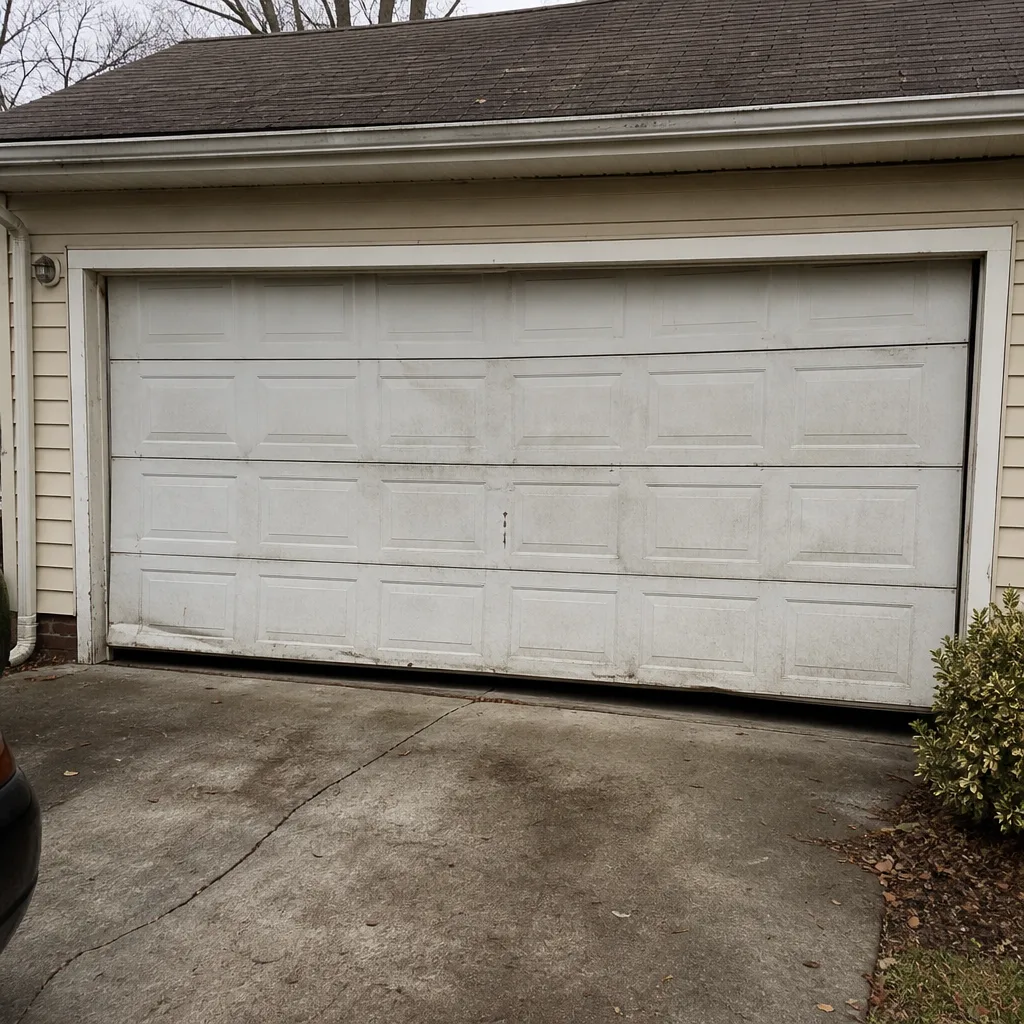 Before
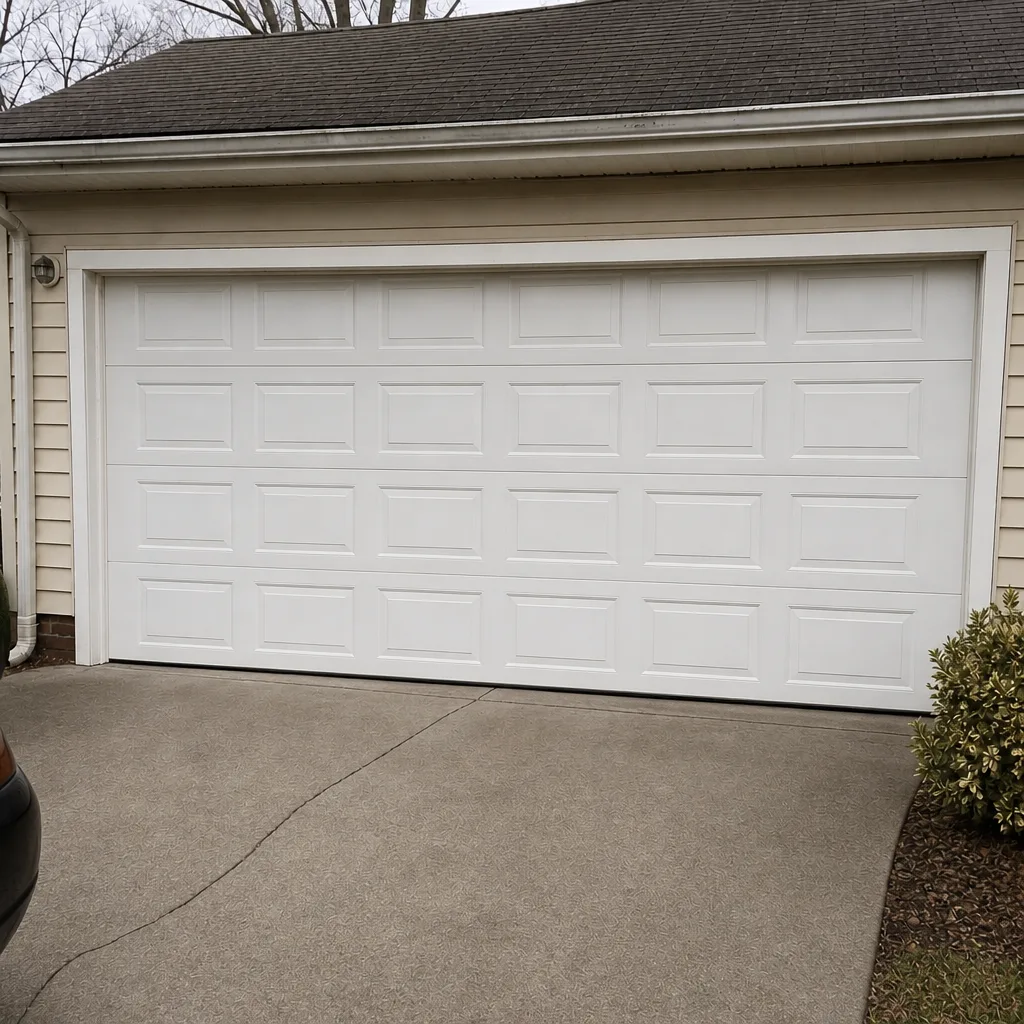 After
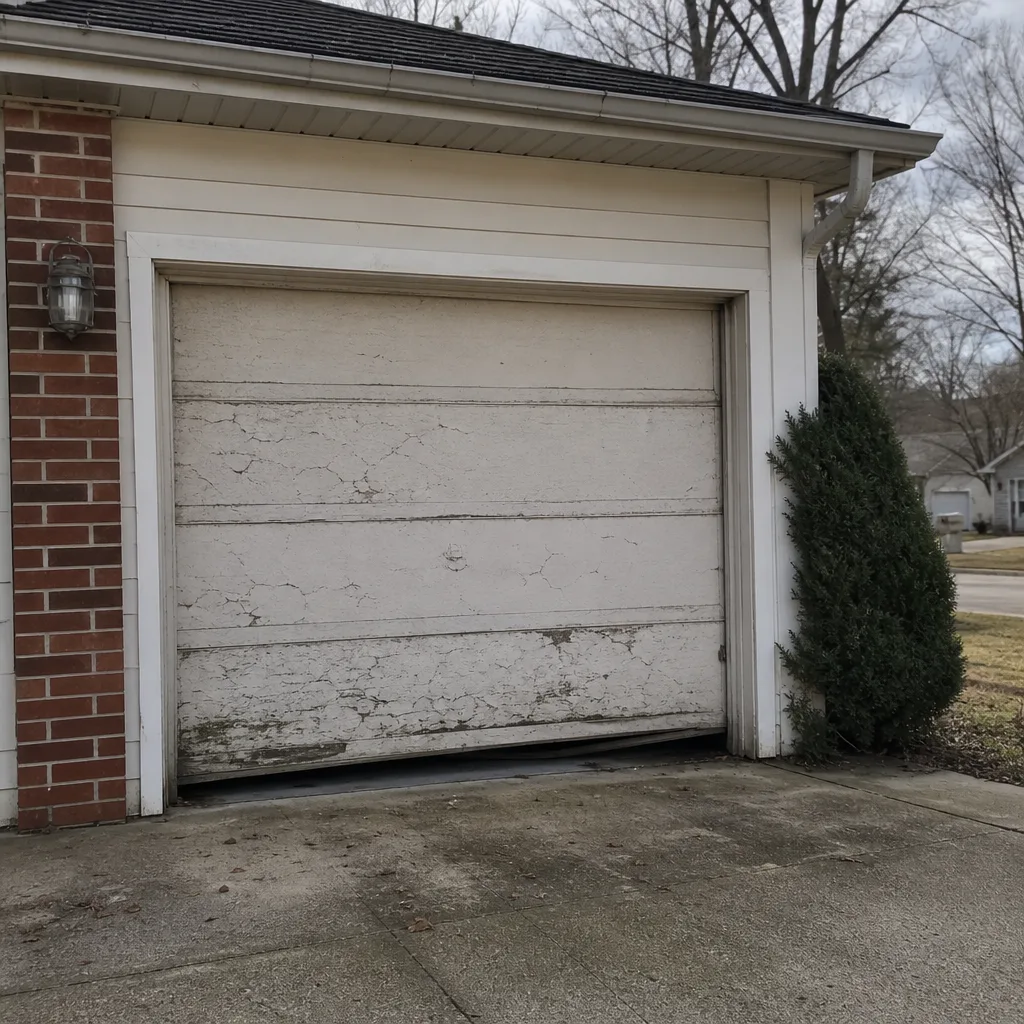 Before
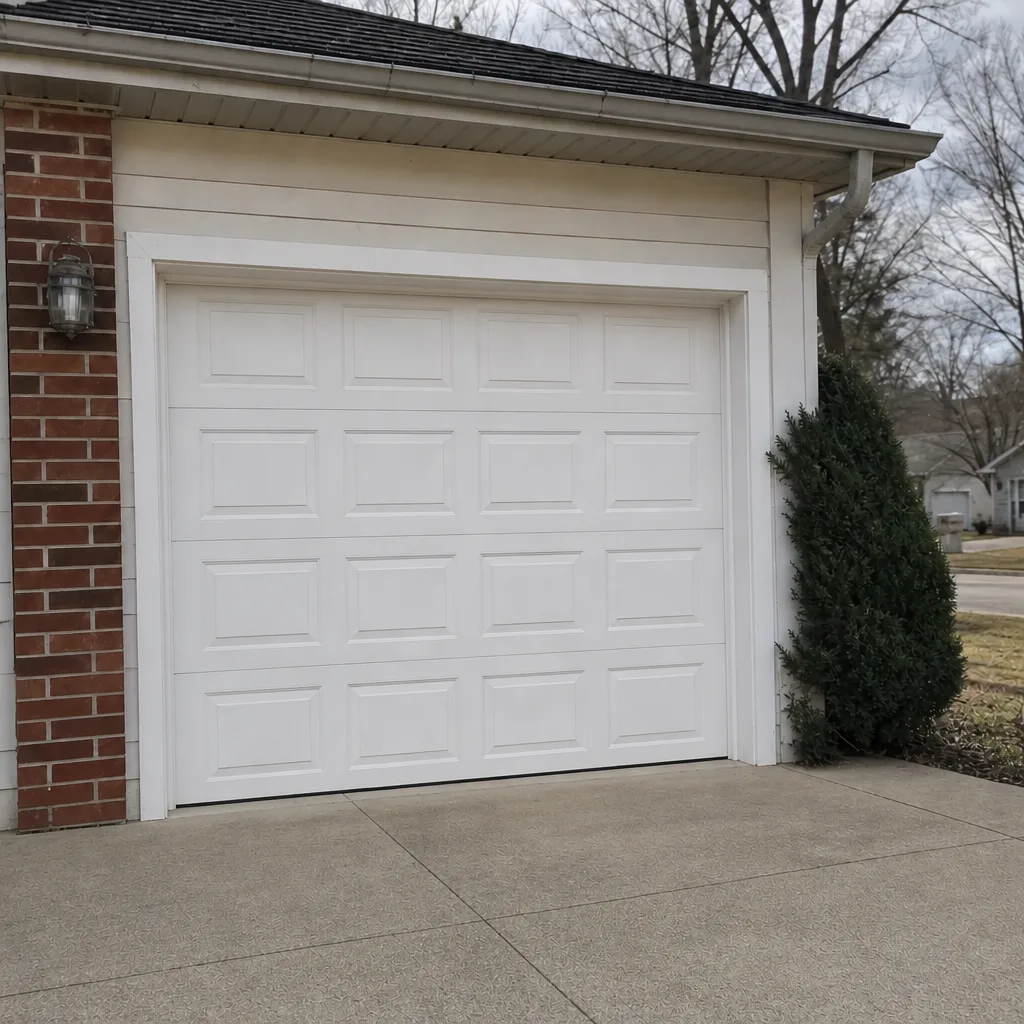 After