
Last updated November 22, 2026
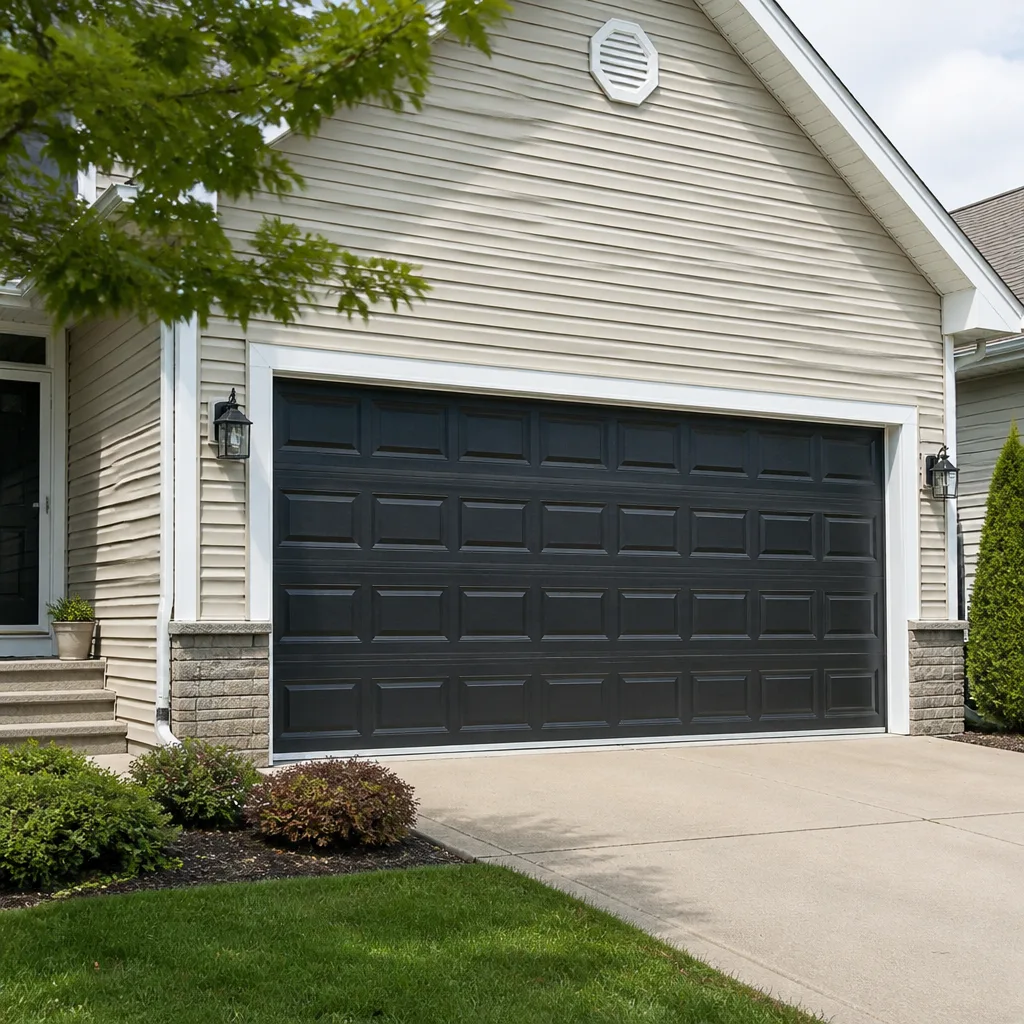 Raised-panel steel
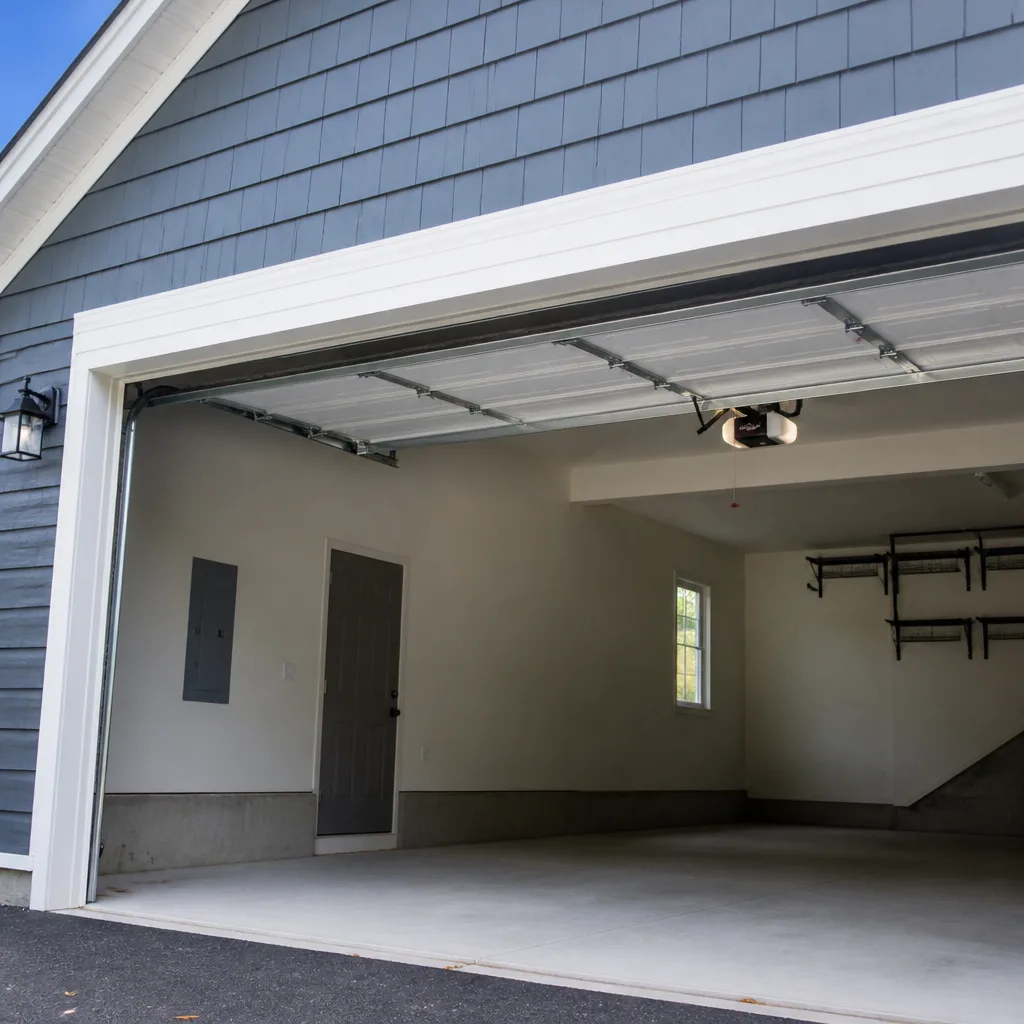
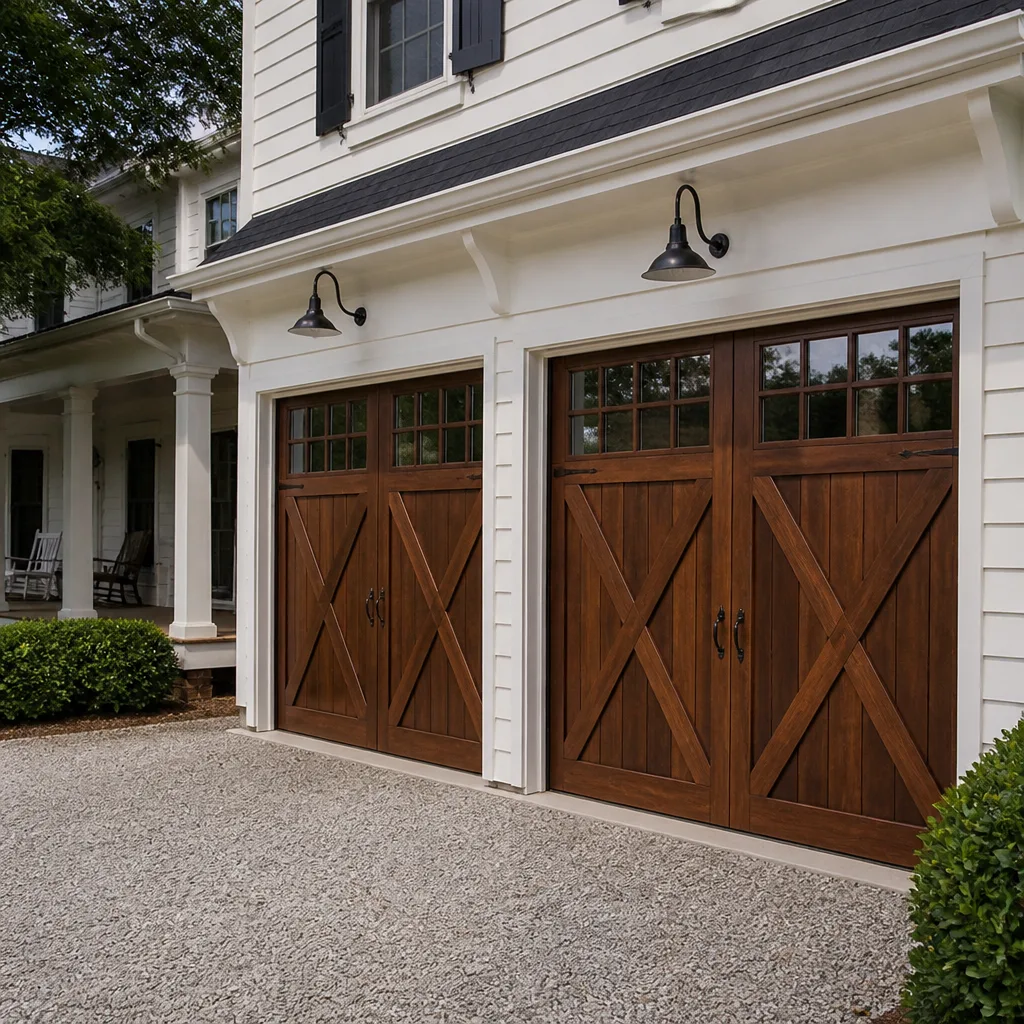 Carriage house
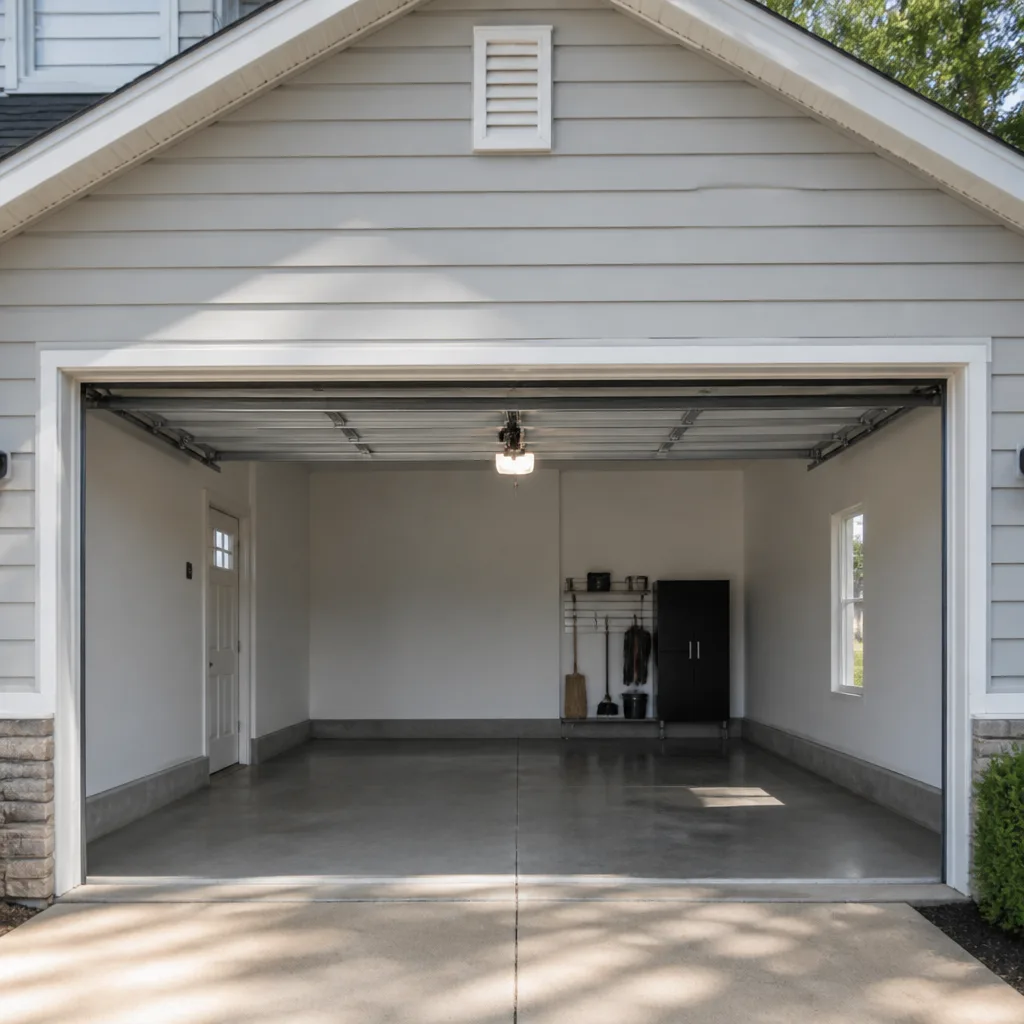
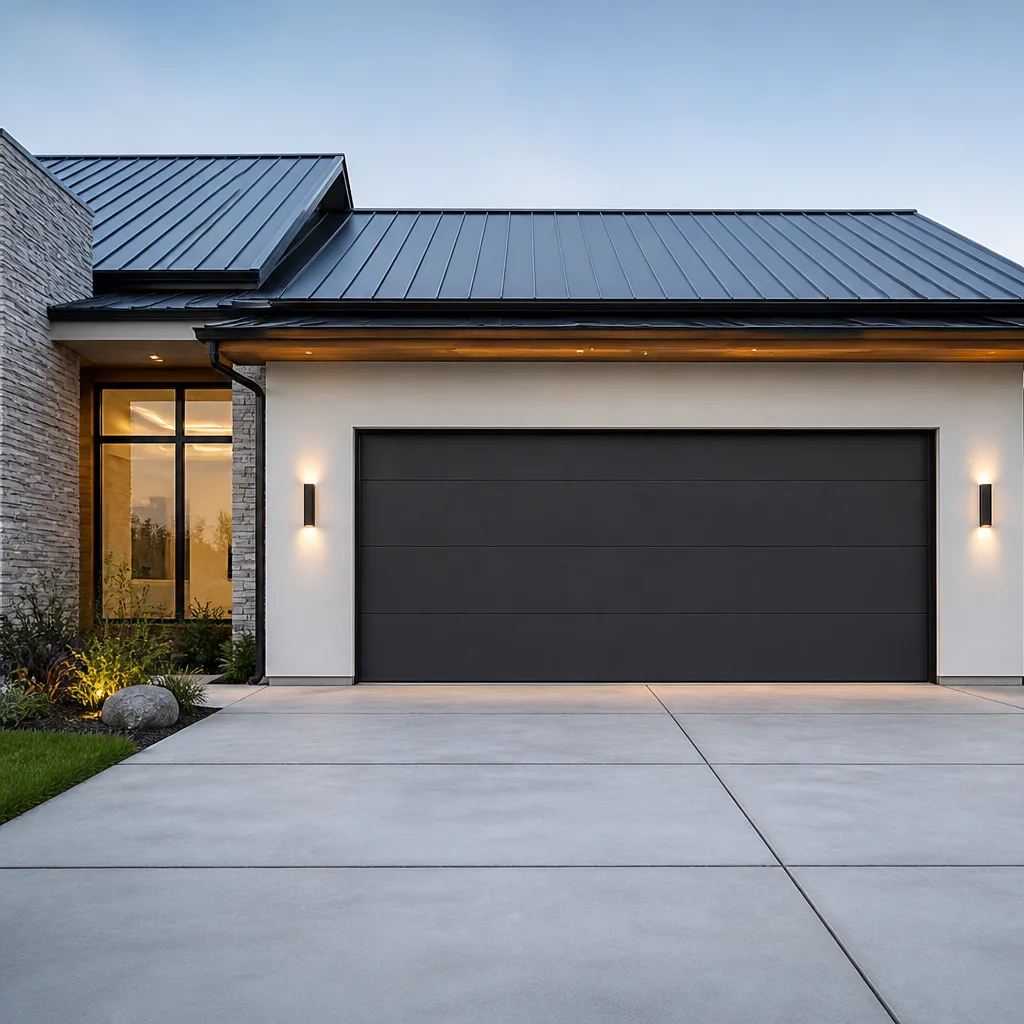 Modern flush
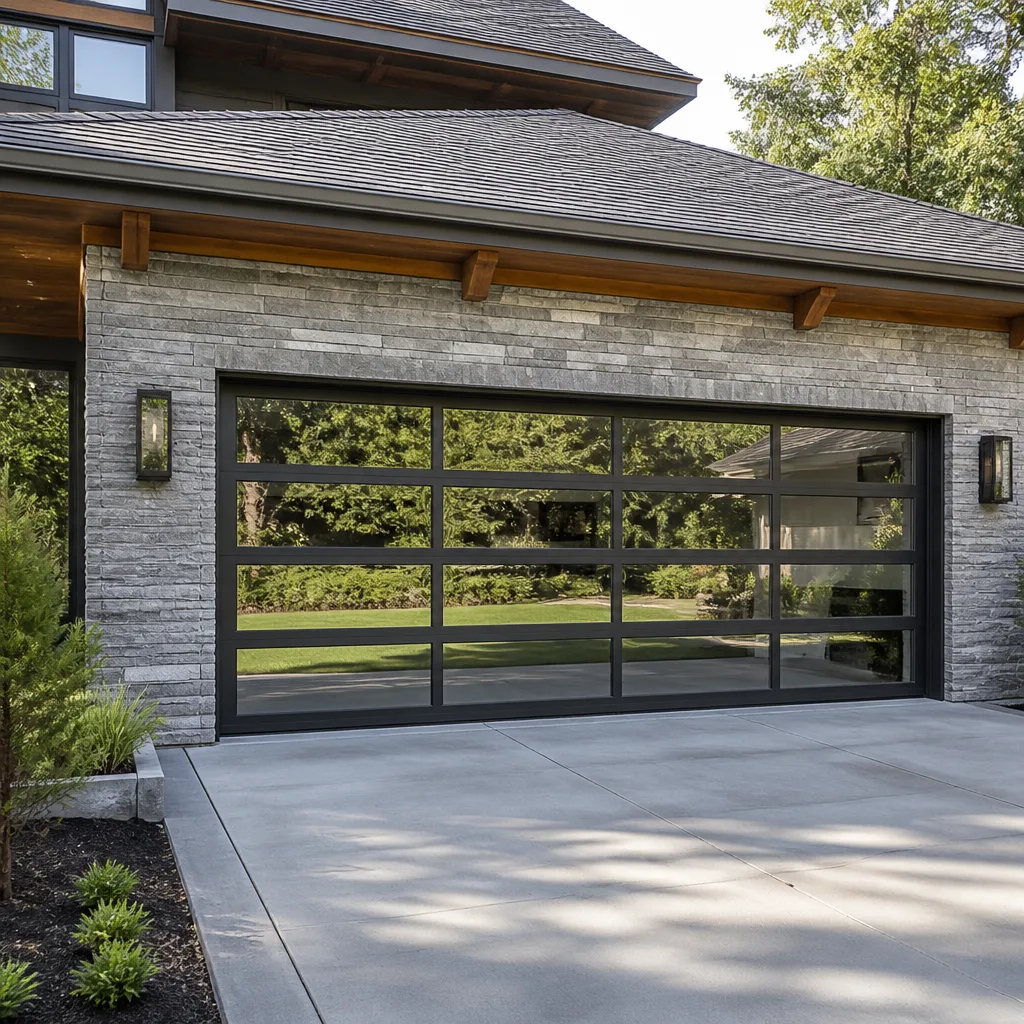 Full-view glass
 LiftMaster openers
 Chamberlain openers
Full 25-point door and opener safety check with every visit - springs, cables, rollers, tracks, and your LiftMaster or Chamberlain opener included
You get a price before we start. It does not change when the pro arrives.
Get your free estimateThe Complete Guide to Garage Doors in Lynnhaven
Most garage door guides are written for Phoenix or Denver. Lynnhaven sits right beside the Chesapeake Bay, where humid summers, salt-heavy air, and nor’easters shape the way a door behaves all year. The result is a set of problems a flat national guide never mentions: springs that rust through faster than the manufacturer expected, cables that fray in humid weather, and wind considerations that matter more here than in an inland city. This guide walks through every decision a Lynnhaven homeowner faces, from a snapped torsion spring to a full replacement, and explains what actually changes when your door lives near the water.
Quick Answer
Garage doors in Lynnhaven wear differently than in dry inland markets because coastal humidity and salt air speed up corrosion on springs, cables, and hinges. Repairs are usually straightforward, but deciding between repair and replacement should account for the door’s age, the type of damage, and how well the current hardware holds up in this climate. A local specialist who stocks parts in the area will almost always get you back up and running faster than a chain shipping from a regional warehouse.
Styles & brands we work with
- Raised-panel steel
- Carriage house
- Modern flush
- Full-view glass
- LiftMaster openers
- Chamberlain openers
Table of Contents
- Why Lynnhaven Garage Doors Wear Differently
- Choosing a Door Material for Coastal Virginia
- Springs and Cables: The Corrosion Problem
- Openers That Hold Up to Humidity
- Wind Load and Virginia Beach Code Basics
- Repair or Replace? A Decision Tree
- Local Parts Inventory vs. Regional Chains
- A Yearly Maintenance Rhythm for Lynnhaven
Why Lynnhaven Garage Doors Wear Differently
A garage door in Lynnhaven lives in a harsher micro-climate than the national averages suggest. Salt air drifts inland from the Chesapeake Bay, humidity hovers high from late spring into early fall, and nor’easters push wind-driven rain against the door face a few times a season. Metal parts don’t fail all at once. They fail in order: a hinge starts to rust, a cable starts to fray, a torsion spring loses tension faster than it should because corrosion has eaten into the wire. By the time a homeowner notices, several small problems have often stacked into one big repair.
The pattern we see across Lynnhaven is consistent enough to plan around. A door that sees regular humidity swings will typically need its first spring replacement earlier than a door in a dry climate, and its cables will show wear sooner as well. This isn’t a defect in the door. It’s the environment doing what it does.
- Salt air accelerates rust on springs, cables, hinges, and track rollers – things a homeowner rarely sees until they fail.
- Humidity swells and warps wood doors, which is one reason painted steel and aluminum are the default here.
- Wind-driven rain during nor’easters stresses weather seals and bottom rubber, letting water into the garage over time.
- Temperature swings from hot summer afternoons to cooler nights cycle metal constantly, which adds to spring fatigue.
If you’re already noticing a symptom, it’s worth getting eyes on it sooner rather than later. Our Garage Door Repair Lynnhaven team can take a look and tell you whether you’re looking at a one-part fix or a bigger job.
Choosing a Door Material for Coastal Virginia
For most Lynnhaven homes, steel and aluminum are the practical choices, and fiberglass works well in specific cases. Wood looks great but demands more upkeep in a humid climate than most homeowners want to commit to. Here’s how the options break down when you’re factoring in coastal conditions.
- Steel (24 or 27 gauge): The most common choice. 24-gauge steel is thicker and more rigid; 27-gauge is lighter and less expensive but dents more easily and moves more under wind load. Look for a factory-applied finish and consider a rust-inhibiting primer on any cut edges or hardware mounting points.
- Aluminum: Naturally corrosion-resistant, which is why it’s popular near the water. It’s lighter than steel and won’t rust, but it dents more easily. Best for homes where appearance and low maintenance matter more than impact resistance.
- Fiberglass: Won’t rust and holds color well. It’s a strong fit for homes wanting a wood look without wood’s swelling problems, though it can crack under impact in a way steel and aluminum don’t.
- Wood: Beautiful and heavy. In Lynnhaven’s humidity it needs regular sealing and painting to avoid swelling, warping, and rot. Only worth it if you’re ready for the upkeep.
The other factor most guides skip: hardware matters as much as the panel material. A steel door with cheap hinges and rollers will rust from the hardware outward. Stainless or galvanized hinges, nylon rollers, and a treated bottom seal make more difference to long-term durability in this climate than an upgrade in steel gauge alone. A local parts specialist can talk you through what’s worth the upgrade.
If you’re weighing a full replacement, see our guide to garage door installation for what the process actually involves.
Springs and Cables: The Corrosion Problem
Springs and cables are the two components most affected by Lynnhaven’s coastal environment, and the two most dangerous to touch without training. A torsion spring is under enough tension to cause serious injury if it lets go while someone is working on it. Cables, when they snap, whip with similar force. This is one area where we tell every homeowner the same thing: don’t do it yourself. Ever.
What you can do is recognize the warning signs early. Corrosion doesn’t announce itself. It works from the inside of the wire or coil outward, so the failure often happens with no visible warning to an untrained eye. A technician knows what to look for and can catch a spring that’s close to failing before it strands the door in the open position.
- Listen for the sound of the opener. A door that grinds, groans, or thumps is asking for attention. Quiet operation after a fresh tune-up is normal; noise is not.
- Watch for a door that lifts unevenly. One side rising faster than the other points to a tired spring or a slack cable.
- Look for rust on the coils and cables. Even light surface rust on the spring means the wire underneath is degrading.
- Check the balance once a month. Disconnect the opener and lift the door halfway by hand. It should stay put. If it drops or rises, the springs need attention.
- Never force a door that won’t budge. If the opener runs but the door doesn’t move, a spring has likely failed and the door is being held by the opener rail – which is dangerous for the opener and for anyone standing under the door.
When you need a spring or cable replaced, use a specialist. Our garage door repair team handles torsion and extension spring systems as a dedicated specialty, not a side job. That matters when the failure is not just inconvenient but a real hazard.
Openers That Hold Up to Humidity
Openers are electronics, and electronics don’t love humidity. In Lynnhaven, the bigger issue is condensation building inside the opener housing over time, which can fog circuit boards and cause intermittent failures before the unit gives up entirely. Belt-drive openers tend to run quieter and smoother than chain-drive, and they avoid the metal-on-metal noise that drives most late-night complaints. Screw-drive units lock down hard and hold up well in windy areas, though they’re louder.
When an opener starts acting up, the failure is often simpler than it looks. Below are the most common reasons a Lynnhaven opener stops responding:
- Safety sensor misalignment. The two sensors at the bottom of the track need to see each other. Dust, spider webs, or a bumped mount can break the beam.
- Battery in the remote or keypad. Sounds obvious, but a dead remote battery is the most common “broken opener” we see.
- Wall button wired loose. A quick check: does the wall button work but the remote doesn’t? That points to the remote, not the motor.
- Force-limit setting. The opener adjusts to the door’s weight. If a spring starts to fail, the opener reads the door as heavier and stops – which is often the first sign of spring trouble, not an opener problem.
- Lightning or power surge. Summer storms roll through Lynnhaven regularly. If the opener died after a storm, a board or capacitor is the likely culprit.
We work on LiftMaster, Chamberlain, Genie, Craftsman, and other leading openers, so whatever unit is on your ceiling, we’ve likely seen the same failure before. If the door jumps or reverses without warning, stop using the opener and call in a technician to look at it. See our garage door opener repair page for the full diagnostic checklist.
Wind Load and Virginia Beach Code Basics
Lynnhaven sits inside Virginia Beach, and the city’s building department is the authority on what a garage door installation must meet in this area. Virginia Beach has requirements for wind resistance on garage doors, particularly for homes built or renovated under newer code cycles, and it pays to confirm the specifics with the building department before any replacement rather than assume your existing door is compliant. Requirements can change between code cycles, and a door that was fine when the home was built may not meet current standards.
The practical takeaway: any replacement door should be selected and installed with wind load in mind, and the installation method matters as much as the door spec. Reinforced hinges, heavier track, and proper anchoring all play a role in how a door actually behaves during a high-wind event, not just what the label says.
A specialist who handles garage doors in this area will know what’s typical for Lynnhaven homes and can point you toward doors and hardware rated for the conditions. When in doubt, ask the city’s building department for the current requirement and ask your installer to confirm the door spec matches it before installation.
Repair or Replace? A Decision Tree
The decision hinges on three things: door age, damage type, and the door’s overall condition. A 5-year-old steel door with a broken spring is a repair. A 20-year-old wood door with rusted through panels, a failing track, and a tired opener is probably a replacement. Here’s how to think it through.
Step 1: Ask how old the door is
Most steel and aluminum doors are designed to last 15 to 20 years, though hardware and springs wear out much sooner. A door near the top of its lifespan with a single spring failure is still a repair candidate. A door already past 20 years with multiple hardware issues is usually better replaced than repeatedly repaired.
Step 2: Identify the damage type
- Spring, cable, or opener failure on an otherwise sound door: Repair.
- One dented panel: Often a panel replacement, if the panel is still available for your door brand.
- Multiple dents, rust-through, or warped panels: Replacement.
- Bent track or a door off its rollers: Repair if the panels are intact; track can usually be straightened or replaced.
- Rusted or damaged hardware with an intact door: A tune-up and hardware replacement can extend the door’s life significantly.
Step 3: Factor in Lynnhaven’s climate
A Lynnhaven door that’s been outdoors for 15 years has been through more humidity cycles, salt exposure, and wind events than the same door in a dry inland city. That means rust and seal wear eat into lifespan faster here. A door that looks fine from the street can be closer to the end of its service life than the age suggests. A technician can tell you whether the panels, hardware, and structure are all still sound.
Step 4: Look at the opener
If the door is being replaced, and the opener is more than 10 years old, it’s almost always worth replacing at the same time. You don’t want to install a new door and discover six months later that the opener can’t handle the new door’s weight or has a failing board.
Whichever way you go, we’ll give you a written quote before any work begins so you know the number before anyone touches the door. Call (877) 792-5898 to set up a free estimate. We answer 24/7. Fast dispatch from 7am to 7pm, Sunday through Friday.
Local Parts Inventory vs. Regional Chains
Lynnhaven homeowners sometimes get a faster resolution from a local specialist than from a national chain, and the reason comes down to parts. A chain that routes calls through a central dispatch and ships parts from a regional warehouse often leaves the homeowner waiting days for a simple spring or roller replacement. A local specialist who stocks common parts in the area can often complete the same repair the same day.
Another difference: local specialists work on the same doors day in and day out. They know which brands are common in Lynnhaven homes, which spring sizes are stocked locally, and which hardware wears first. This doesn’t guarantee any specific outcome personally. It does mean the conversation is more concrete and the answer is usually quicker.
We work on virtually every major brand, including Clopay, Amarr, Wayne Dalton, and Raynor doors, plus LiftMaster, Chamberlain, Genie, and Craftsman openers. That range means as long as the door is from a mainstream manufacturer, we can service it. Our technicians have up to 11 years of experience, and they don’t get handed a duct-taped door and told to figure it out on the driveway.
A Yearly Maintenance Rhythm for Lynnhaven
A little attention twice a year prevents most of the failures we get called for. Here’s the rhythm we recommend to Lynnhaven homeowners, adjusted for the climate.
- Lubricate the moving parts. A garage-door-rated white lithium grease or silicone spray on hinges, rollers, and the spring coils themselves (light coat only) keeps metal from rusting in the humidity. Do this every six months, and more often if you notice rust starting.
- Check the balance. Monthly: disconnect the opener, lift the door halfway, and let go. A balanced door stays put. A door that drops or falls is showing spring wear.
- Inspect the seals and bottom rubber. Humidity and wind-driven rain wear these down. A warped or cracked bottom seal lets water into the garage and is cheap to replace.
- Clear the tracks. Dirt and debris build up on the track, especially in a humid climate. Wipe them down and check that the door runs smoothly by hand.
- Test the safety reverse. Put a 2×4 flat in the door’s path and close the door. It should reverse immediately. If it doesn’t, don’t use the door until the opener is serviced.
- Look for rust on the springs and cables. Any visible rust is a sign the wire underneath is degrading. Have a technician inspect before it fails.
If you do these twice a year, most doors will last their full lifespan and most spring failures will be caught before they become emergencies. If you’re not comfortable with any part of it, our team can walk through the checklist on a service visit. If you’re weighing whether to repair or replace rather than just maintain, our guide to garage door repair covers both paths in more detail.
Common Mistakes to Avoid
- Trying to replace a torsion spring yourself. The tension in a torsion spring can cause serious injury if it releases while someone is working on it. Springs are the one repair that should never be DIY.
- Ignoring rust on the coils. In Lynnhaven’s humidity, light surface rust on a spring or cable is an early warning. Waiting until the spring snaps turns a simple fix into an emergency call at the worst possible moment.
- Buying a big-box door without a wind-load spec. Box stores stock doors that meet minimum standards in many cases, but they don’t always match the requirements of the specific Virginia Beach building code cycle your home falls under. Ask the city building department before you buy.
- Replacing the opener instead of the spring. If the door won’t lift, it’s usually the spring, not the opener. Replacing a healthy opener because a door won’t move wastes money and leaves the real problem unsolved.
- Skipping the yearly lube. A lot of the repair jobs we’re called for are parts that would’ve lasted another several years with a light grease coat every spring and fall.
- Calling a general handyman for a spring or opener. Garage doors are a specialty trade. A generalist may not have the right tools, the right spring size in stock, or the experience with tension systems that keeps the job safe.
- Waiting on a door that won’t close. A door stuck open is a security issue. Don’t wait for the next appointment window; call in a repair the same day.
See the difference
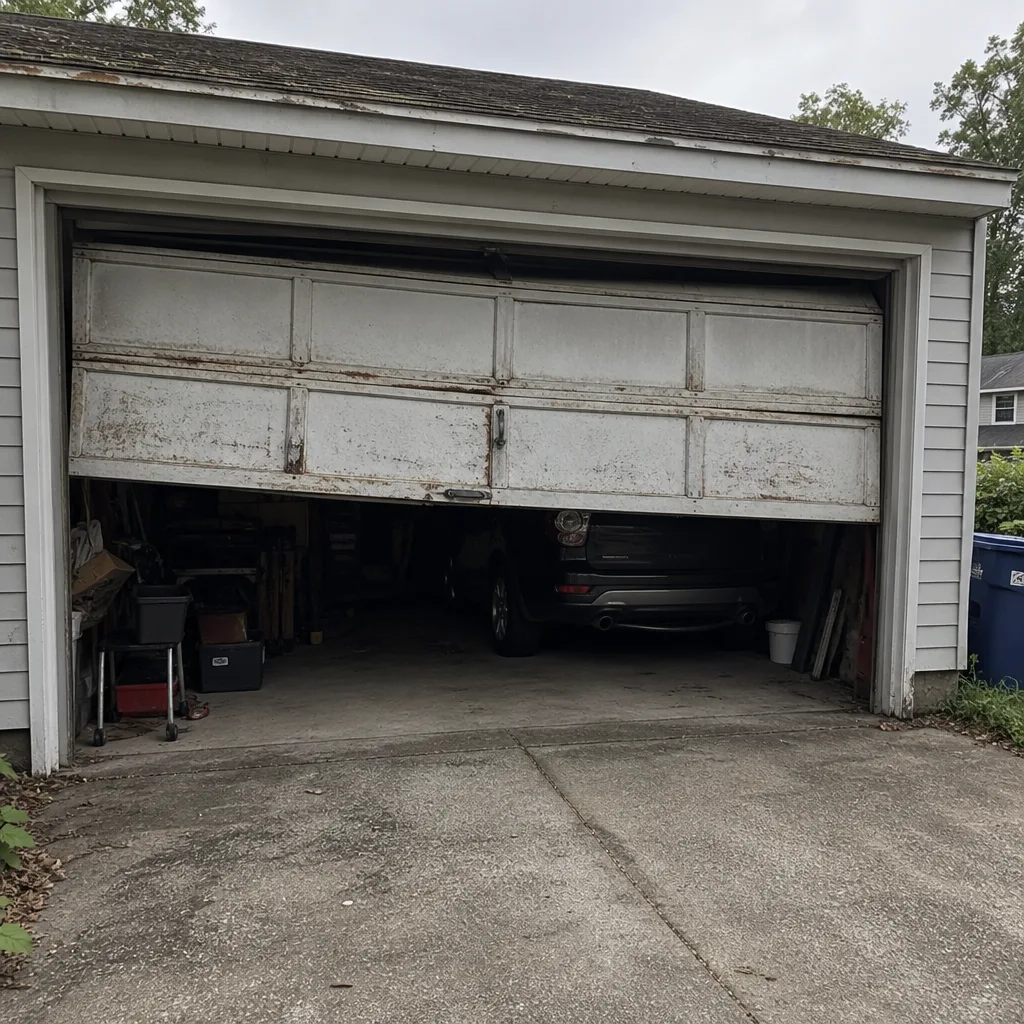 Before
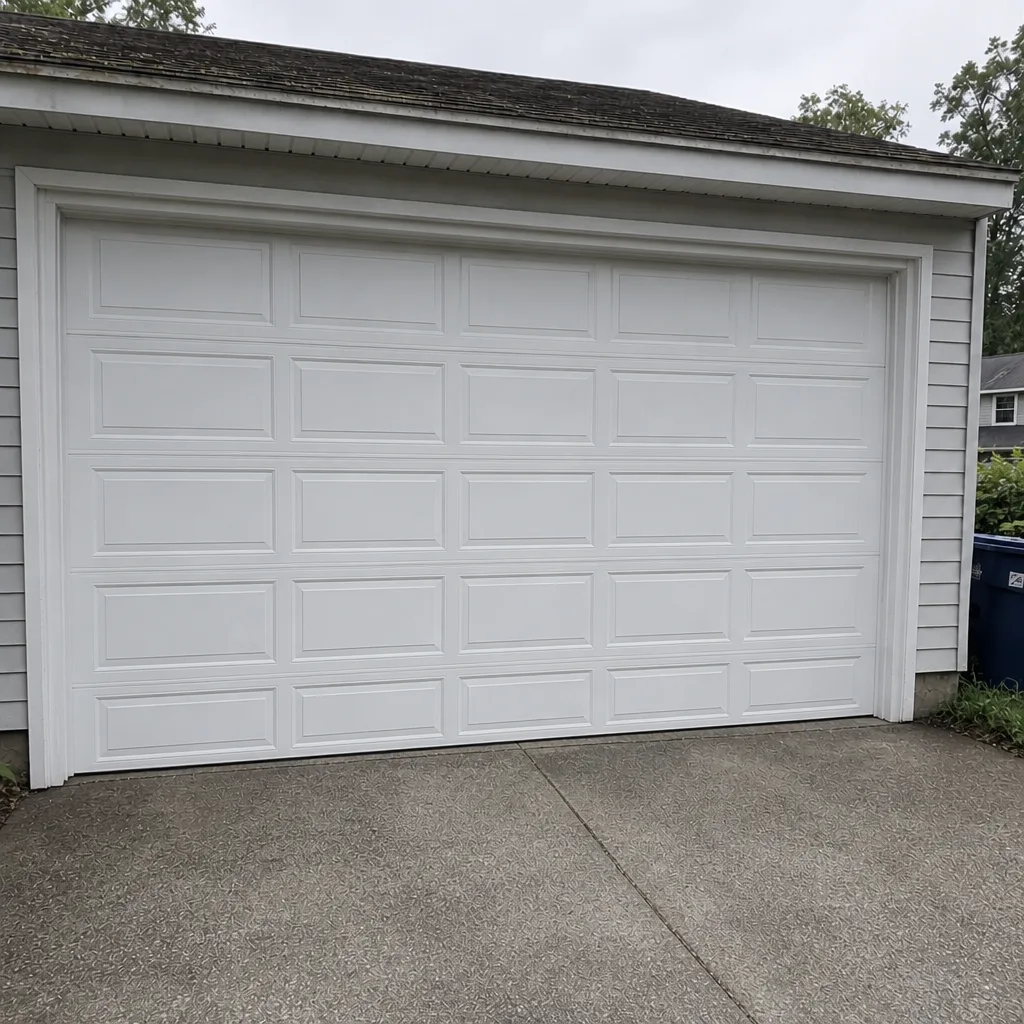 After
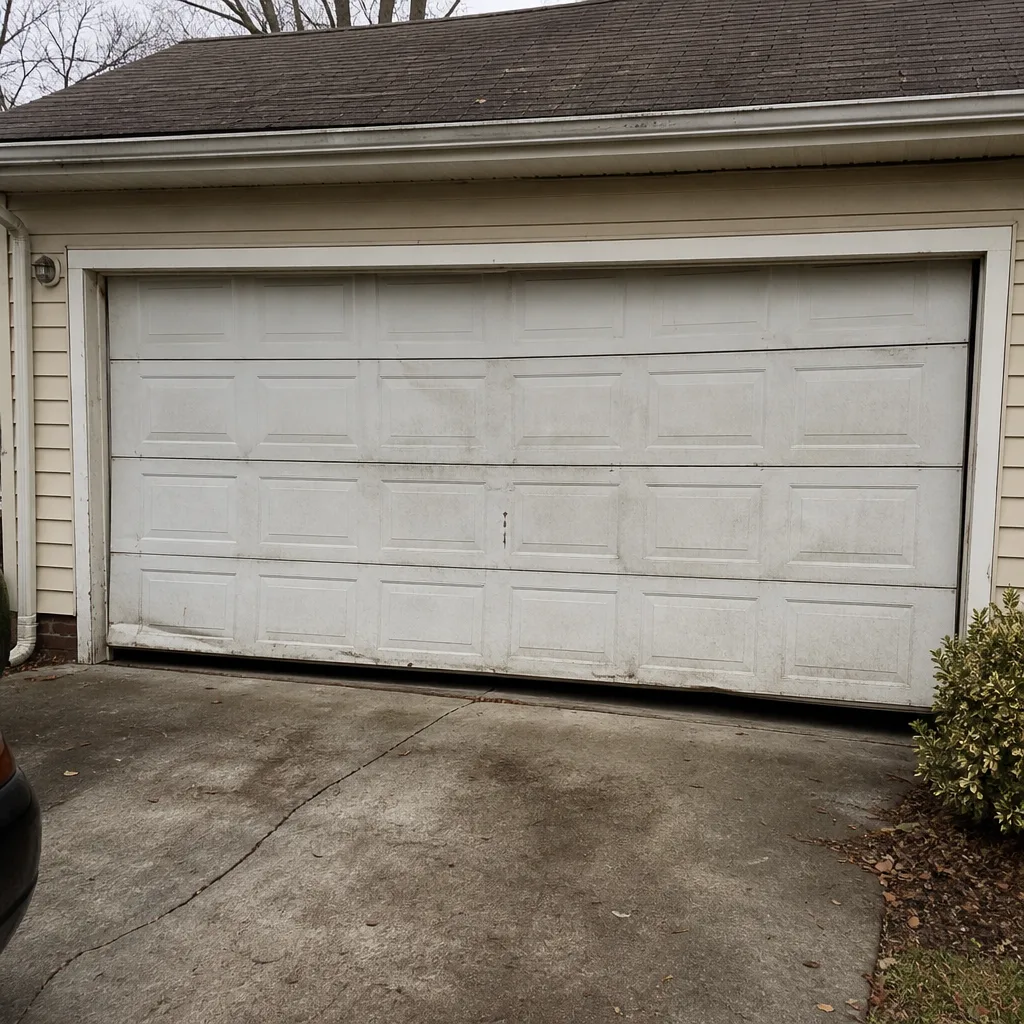 Before
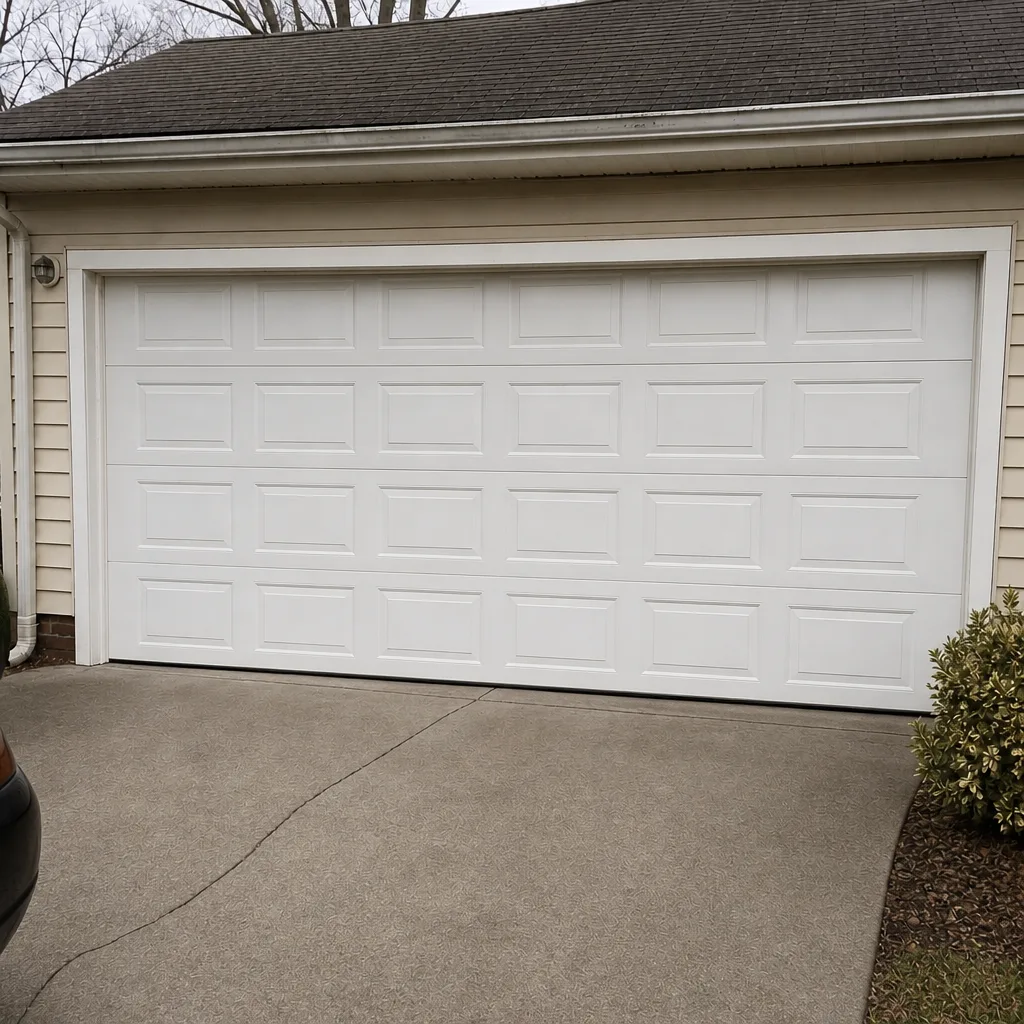 After
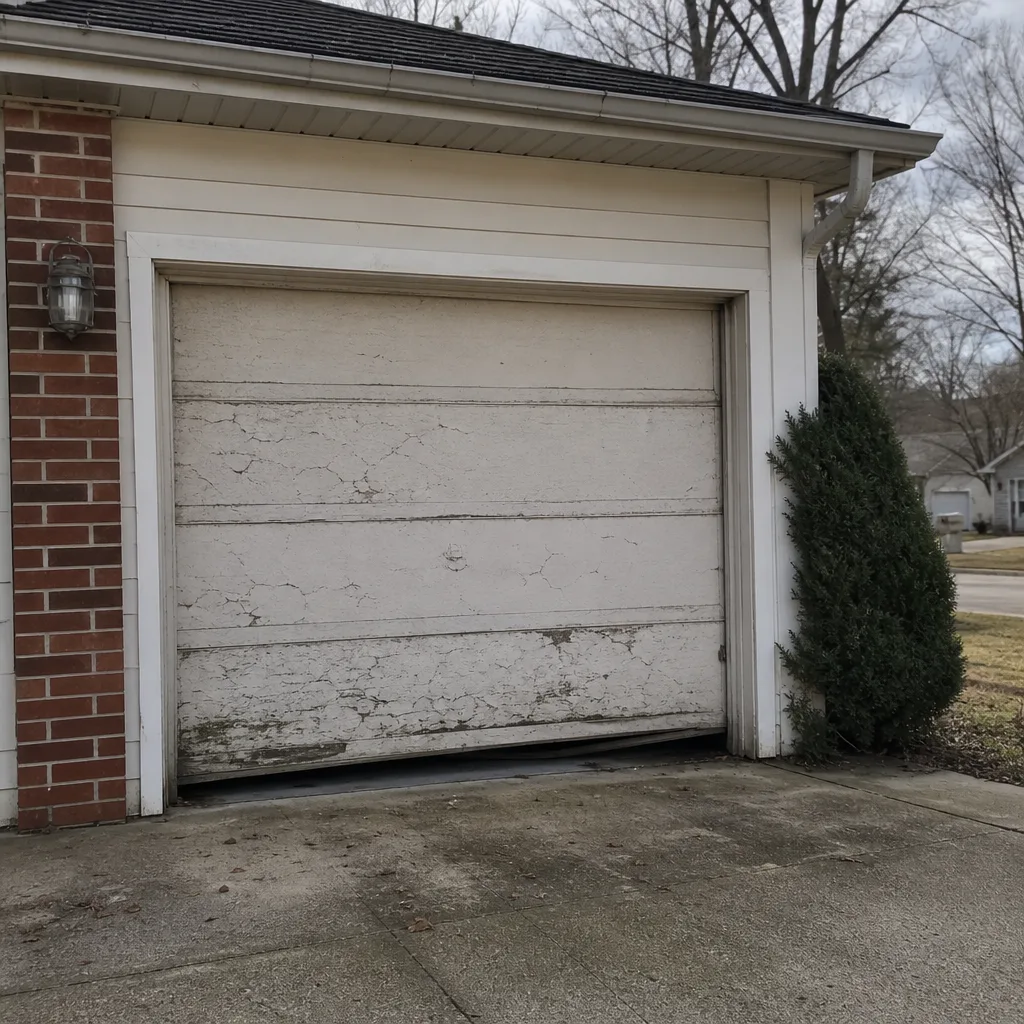 Before
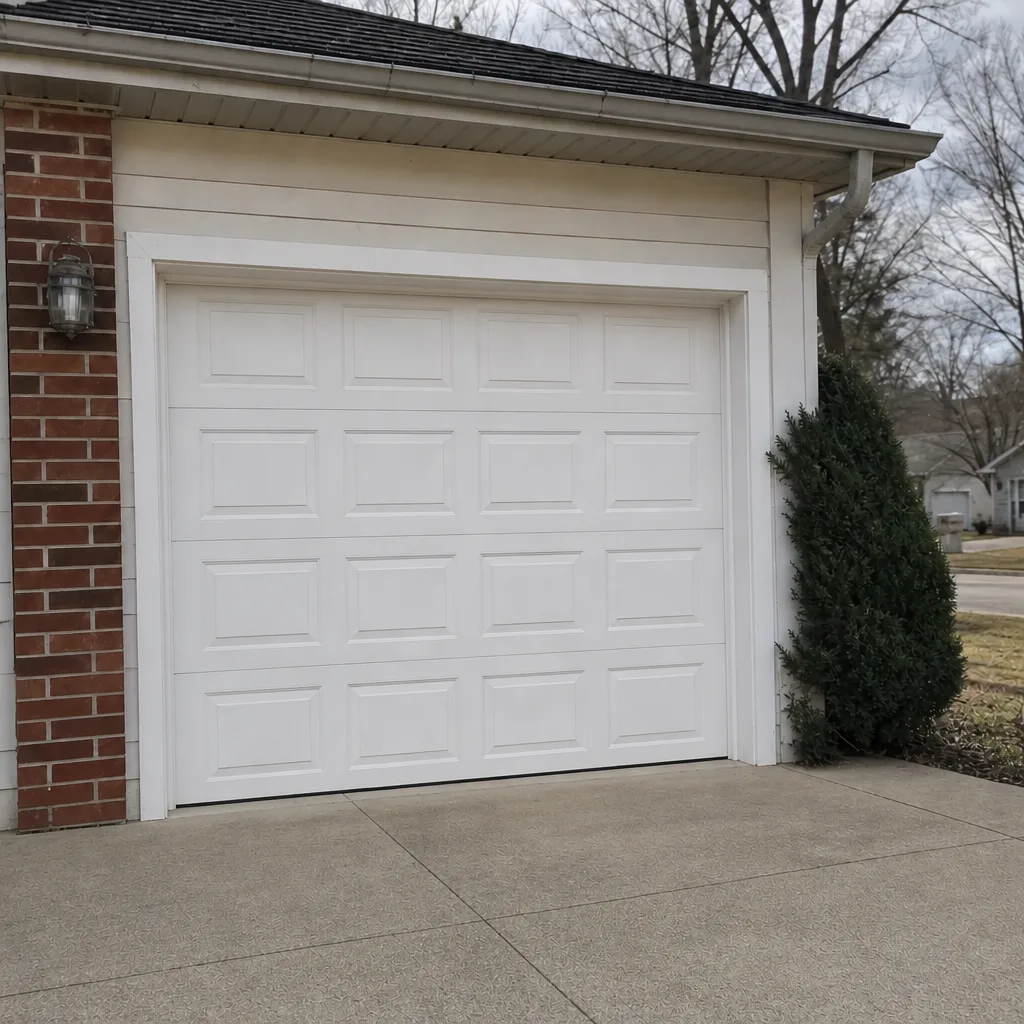 After
When to Call a Professional
Call a professional if the door is stuck, if the spring has snapped, if the door is off its track, or if the opener runs but the door doesn’t move. Those are the cases where a homeowner is most likely to get hurt trying to fix it and where the right tools and parts make all the difference. If you’re hearing grinding or groaning, if the door lifts unevenly, or if you’re seeing rust on the springs or cables, those are signs worth having inspected before something fails outright. In Lynnhaven’s humidity, a spring or cable that looks fine can already be close to the end of its life. Garage Door Repair Lynnhaven offers free estimates in Lynnhaven – call (877) 792-5898 and we’ll tell you exactly what’s going on. We answer 24/7. Fast dispatch from 7am to 7pm, Sunday through Friday.
Frequently Asked Questions
Coastal humidity and salt air mean springs in Lynnhaven typically wear faster than springs in dry inland cities, so expect a shorter replacement interval than the national average suggests. The exact timing depends on how often the door runs, whether the hardware sees direct moisture, and the spring’s own design life. Watch for rust on the coils and have the door inspected if it starts to feel heavy. Call (877) 792-5898 for a free estimate. We answer 24/7.
Same-day repair is usually possible for common failures like a snapped spring, a broken cable, or an opener issue, especially when the right parts are stocked locally. Our dispatch runs 7am to 7pm, Sunday through Friday, so a call in the morning often means a same-day resolution. We answer 24/7. Call (877) 792-5898 to check availability for your address.
No. We give you a written estimate before any work starts, and that quote is the price. If we find something on inspection that wasn’t obvious when we set the estimate, we tell you before proceeding, so you can decide. Call (877) 792-5898 to schedule a free estimate.
Yes. The local professionals we connect homeowners with are licensed and insured as the state requires, and they’re vetted before we send them. Our technicians have up to 11 years of experience with garage doors and openers specifically, not general handyman work. Call (877) 792-5898 for details before you book.
Painted steel and aluminum are the best all-around choices for Lynnhaven. Steel is more rigid and takes impact better; aluminum resists rust completely. Both can be specified with wind-load rated hardware for Virginia Beach requirements. Wood doors look great but need more frequent sealing in this climate. Call (877) 792-5898 to talk through your options with someone who installs in this area.
Stop trying to force it and don’t stand underneath it. A misaligned safety sensor is the most common cause, and if the sensor fix doesn’t solve it, the issue is likely a spring, cable, or opener problem that should be handled by a technician. Call (877) 792-5898 and we’ll get someone over. We answer 24/7. Fast dispatch from 7am to 7pm, Sunday through Friday.
The Bottom Line
Lynnhaven garage doors face conditions that a generic national guide never accounts for: salt air, high humidity, and nor’easters all accelerate wear on springs, cables, and hardware. The right response is to pick materials rated for coastal Virginia, keep up a simple twice-a-year maintenance rhythm, and know when a repair is the right call versus a replacement. Springs and cables are the two components where experience matters most, both for safety and for making the fix stick. A local specialist who stocks parts and knows Virginia Beach building code will get you back to normal faster than a chain. Call (877) 792-5898 for a free estimate.
Written by the team at Garage Door Repair Lynnhaven.