
Last updated November 22, 2026
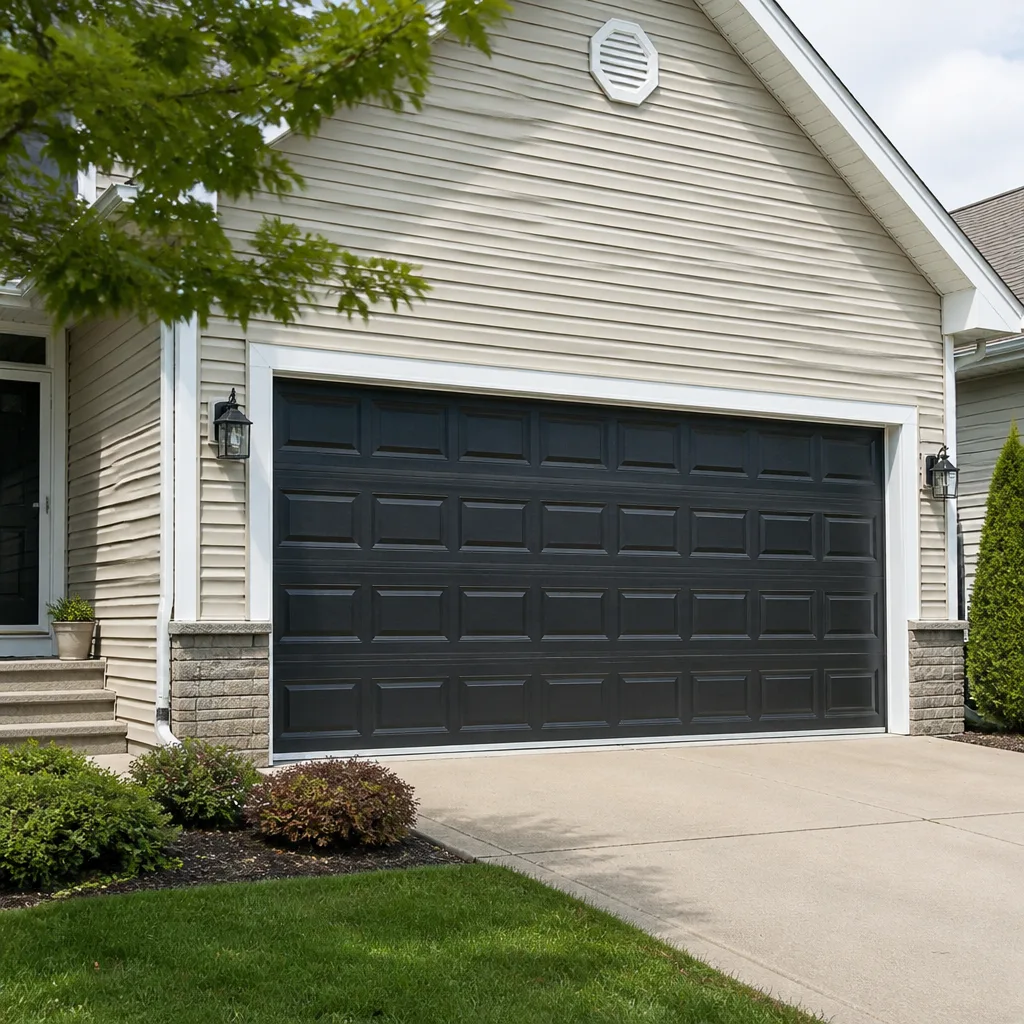 Raised-panel steel
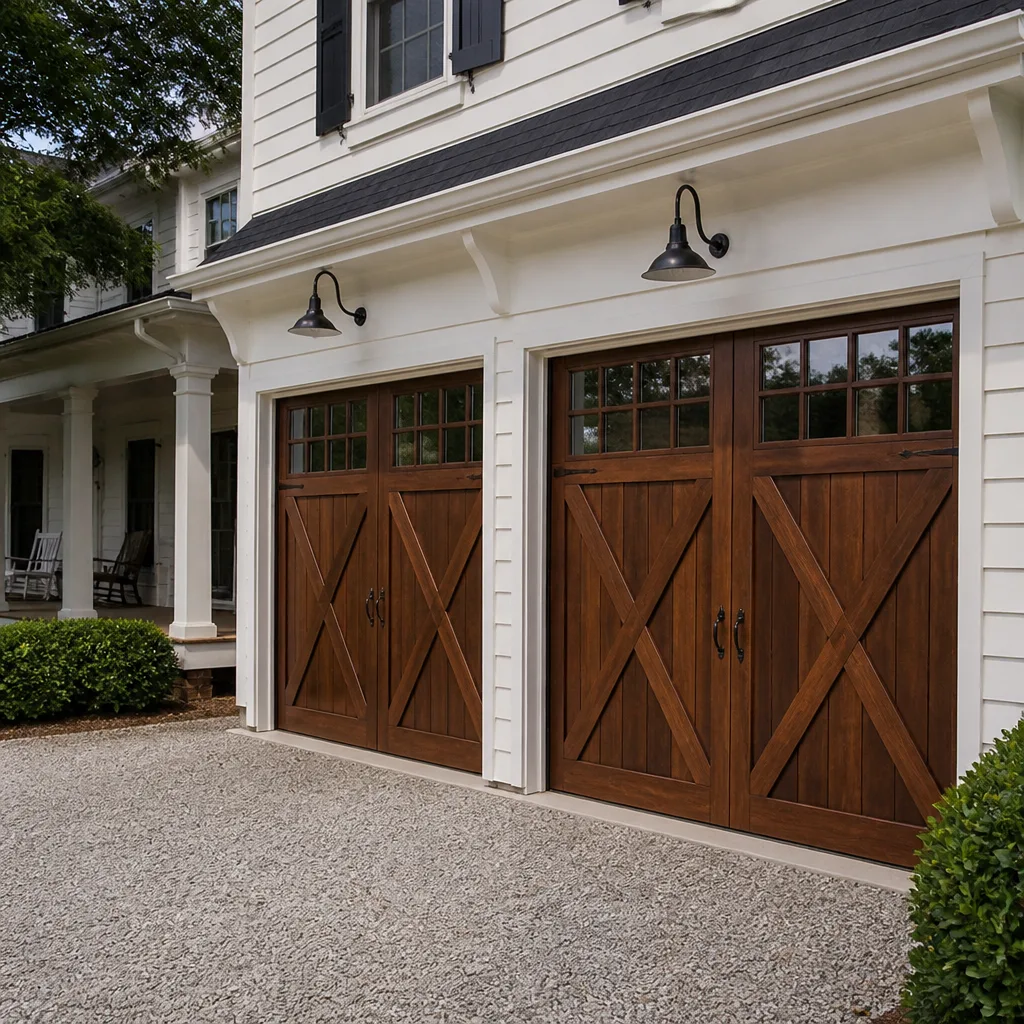 Carriage house
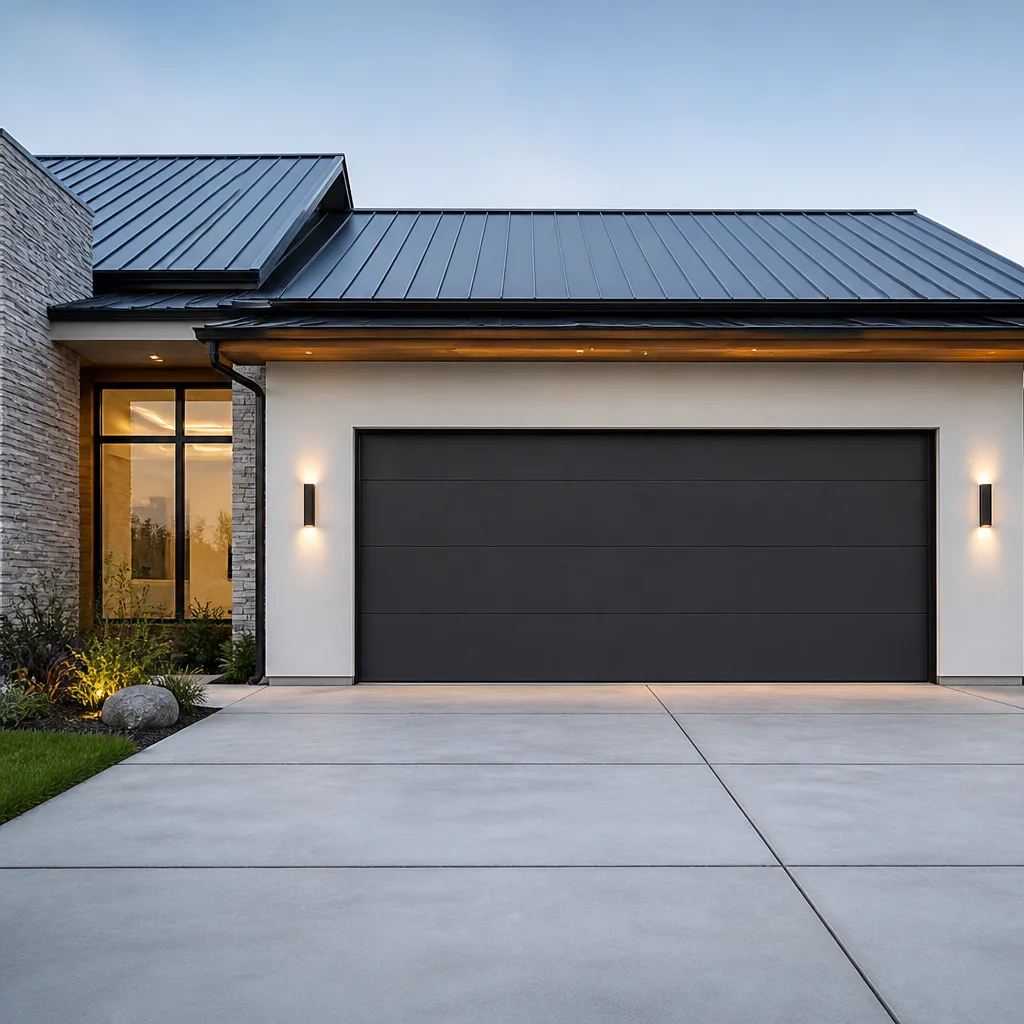 Modern flush
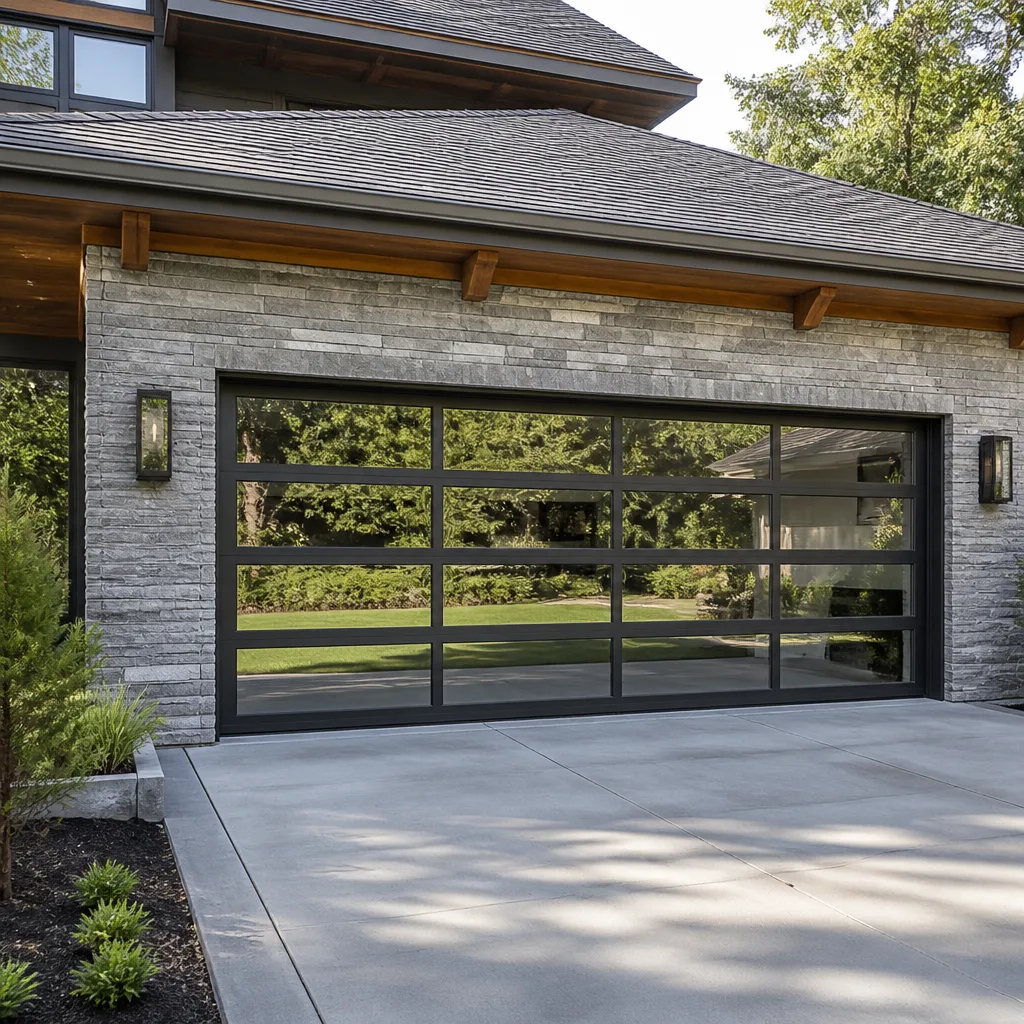 Full-view glass
 LiftMaster openers
 Chamberlain openers
Full 25-point door and opener safety check with every visit - springs, cables, rollers, tracks, and your LiftMaster or Chamberlain opener included
You get a price before we start. It does not change when the pro arrives.
Get your free estimateGarage Door Repair Maintenance Schedule: What to Do and When
The single most destructive thing Lynnhaven homeowners do to their garage doors is lubricate the tracks. Nearly every generic maintenance checklist tells you to spray them down, and that advice quietly ruins doors. Lubricant traps grit in the channel, the rollers stop rolling and start dragging, and the opener spends the next year fighting the friction. A garage door doesn’t need constant attention. It needs the right attention at the right moment. This guide lays out a schedule built around when a door in Lynnhaven actually takes stress, from pre-hurricane tightening to post-winter spring checks, the correct lubrication map, and a ten-minute visual inspection you can do without touching a single moving part.
Quick Answer
A garage door needs professional servicing once a year and a ten-minute visual check every three months. The annual service should land just before hurricane season in Lynnhaven, with a spring tension check after winter and a seal inspection each summer. Lubricate hinges, rollers and springs with a silicone-based product, never the tracks. Call a technician immediately if the door moves unevenly, the opener strains, or you see a bent track or a frayed cable.
Styles & brands we work with
- Raised-panel steel
- Carriage house
- Modern flush
- Full-view glass
- LiftMaster openers
- Chamberlain openers
Table of Contents
- Why a Calendar-Driven Schedule Beats a Generic Checklist
- The Season-by-Season Schedule for Lynnhaven Doors
- The Correct Lubrication Map: What Gets Oiled, What Never Does
- Annual Spring Cycle Math: Where Your Springs Are in Their Lifespan
- The Ten-Minute Visual Inspection You Can Do Without Touching Anything
- Service Interval Triggers That Override the Calendar
- Does Brand Change the Maintenance Schedule?
- What Homeowners Can Safely Do and What They Shouldn’t
Why a Calendar-Driven Schedule Beats a Generic Checklist
Published maintenance checklists usually say the same thing: check the door monthly, lubricate everything, tighten bolts. That advice is not wrong so much as detached from place. A garage door in Lynnhaven lives a different life than one in a dry mountain town. The humidity swings, the summer heat, and the storm-season wind all put stress on specific components at specific times of year. A schedule that ignores those rhythms leaves you doing the wrong task in the wrong season and skipping the one that matters most.
We see the pattern on service calls across Lynnhaven. Doors that were “maintained” every month with the wrong products arrive with gummy tracks and worn rollers. Doors that were never touched at all often only need a spring adjustment and a cable inspection. The middle path works best: light checks timed to the seasons, a proper annual service, and a clear list of warning signs that mean you stop what you’re doing and call.
Here’s the principle behind everything below. Think about maintenance in three tiers:
- Passive checks you do in a couple of minutes with your eyes and ears, no tools, no contact.
- Light homeowner tasks that are genuinely safe: lubricating hinges and rollers, wiping photo-eye lenses, testing the safety reverse.
- Professional service for anything under tension, anything that adjusts the balance of the door, and anything involving the opener’s internal mechanisms.
The tier you never cross is the third one on your own. A garage door spring is under extreme tension. This is one repair that should never be DIY, and the same caution applies to cables. Our technicians have up to 11 years of experience working on these systems, and the reason spring work is a dedicated specialty in this trade is simple: mistakes are dangerous, not just expensive.
The Season-by-Season Schedule for Lynnhaven Doors
A Lynnhaven door faces four distinct pressure points across the year. Each one deserves its own task, and getting the timing right is half the maintenance. If you own a home near the Lynnhaven shoreline, inland toward the broader Virginia Beach area, or anywhere in the neighborhoods that ring the river, the seasonal stresses are similar. What changes is how hard you should look.
Spring (March to May): Pre-Hurricane Season Tightening
This is the most important window of the year for a Lynnhaven garage door. Hurricane season opens in June, and the weeks before it are when you want the door structurally sound. Wind load on a garage door is real, and a door with loose hinges, a sagging top section, or a track that has shifted away from the jamb is not going to hold as well as one that’s been tightened and aligned.
- Walk around the door and look at the hinges. Any that wobble when you press them need attention.
- Check that the door sits flush and square in the opening. Gaps at the corners are worth mentioning to a technician.
- Test the safety reverse by placing a small block of wood on the floor in the door’s path and closing it. It should reverse on contact. If it doesn’t, call us.
- Book your annual professional service before the storm season rush.
Our garage door repair work in Lynnhaven picks up noticeably in the spring, and the doors we see that were tightened and balanced in March tend to sail through the summer without issue.
Summer (June to September): Humidity and Seal Inspection
Humidity is the quiet mechanic this time of year. Door seals and bottom weatherstripping take the worst of it. A worn bottom seal lets humid air and, more importantly, water push into the garage, which is the last thing you want during a heavy summer rain. Check the bottom seal by running your hand along it (from the outside, door closed). It should feel pliable and make continuous contact with the floor. If it’s cracked, stiff, or leaving gaps, that’s a replacement task.
Summer is also the season to look at the opener. Heat in the garage climbs, and older units strain harder. If a LiftMaster or Chamberlain opener that used to run quietly suddenly sounds labored, don’t wait for it to fail. This is when we’d rather see it.
Fall (October to November): Pre-Winter Prep
Fall is the calm before the cold. Use it to wipe down the photo-eye lenses, clear debris from the tracks (dry, by hand, with the door open, no lubricant), and tighten any hinge screws that have worked loose over the summer. If you have a Craftsman or Raynor opener and the remote range has been dropping, replace the battery in the remote now rather than waiting for it to die during a cold snap.
Winter (December to February): Post-Winter Spring Tension Check
Cold weather is hard on springs. Metal contracts and becomes more brittle, and a torsion spring that was fine in October can be at its limit in January. Don’t check this yourself, but do call a technician for a spring tension check after the worst of winter has passed. This is one of the most important services we perform in Lynnhaven. If you hear a sharp, loud bang from the garage, a spring has likely snapped. Stop using the door and call.
For any of this work, our team can handle it in a single visit. You can arrange a full schedule assessment with the same company that does our garage door installation work, which means the inspection and any replacement needs can be handled by one team.
The Correct Lubrication Map: What Gets Oiled, What Never Does
Most published checklists say “lubricate the moving parts” and stop there. That’s not specific enough, and it’s how tracks end up coated in gunk. Here is the map we actually use. The tools matter too: use a silicone-based lubricant designed for garage door hardware, not WD-40 (which is a penetrant, not a lubricant, and attracts dust) and not a heavy grease.
What Gets Lubricated
- Hinges. One drop per hinge pin, on the metal-on-metal contact point. Hinges are where most squeaks come from.
- Rollers. A drop on the roller stem and bearing, where the wheel rotates inside its bracket. Not the track surface.
- Springs. A light coat on the torsion spring coils (overhead) or extension springs (along the sides). This reduces friction and slows wear. Do this with the door closed and the spring safely at rest, and only apply a light coat. Never work near a winding bar or inside a winding cone.
- Opener chain or screw (if applicable). Follow the manufacturer’s spec. A LiftMaster or Chamberlain belt drive usually needs no lubrication at the belt.
What Never Gets Lubricated
- Tracks. This is the big one. Oil on the track collects dust, grit and pollen, and that slurry binds the rollers. Clean the tracks dry with a rag and leave them dry.
- Photo-eye lenses. Wipe them with a dry cloth. Any film or residue attracts dust and can interfere with the beam.
- Rubber bottom seal. A silicone sealant spray can protect it from UV but avoid oil, which degrades rubber.
Note on the salt-air question: the widespread advice to lubricate regularly to “prevent rust” is good practice regardless of location, but don’t overdo it. More lubricant is not better. A thin film, applied at each scheduled service, is all the hardware wants. For coastal-adjacent hardware in the area, the priority is keeping the moving parts clean and lightly protected, then inspecting the roller stems and hinges for oxidation at each annual service. If you’re not sure whether a product you own is right, ask the technician during a service visit. We’d rather answer that question for free than see a door with oily tracks.
Annual Spring Cycle Math: Where Your Springs Are in Their Lifespan
Garage door torsion springs are rated by cycle count, and a cycle is one open plus one close. Common residential springs are rated for somewhere in the range of 10,000 cycles, which sounds like a lot until you do the math. A household that opens and closes the door four times a day runs about 1,460 cycles a year. That’s roughly seven years of life from a 10,000-cycle spring. Double the daily use and you cut the lifespan in half.
Here’s the math to run for your own door:
- Estimate how many times the door opens and closes on a typical day. Count each open plus each close as two cycles.
- Multiply that daily cycle count by 365 to get your annual cycles.
- Divide your spring’s rated cycle count (check the spec sheet or ask a technician to identify the spring) by your annual cycles. That’s your spring’s expected lifespan in years.
- Compare that to how long the spring has been in service. If you’re approaching the limit, plan for replacement rather than waiting for the snap.
In our experience, most Lynnhaven homeowners overestimate how much life is left in their springs because they don’t count the cycles from the opener’s remote and the keypad, which add up. A door that runs four times a day from the kids, the groceries and the car is going to wear out its springs much faster than a door that runs once. Our technicians have up to 11 years of experience identifying spring condition on sight, and it’s often the first thing we check during an annual visit. If you don’t know how old your springs are, a service call can tell you. For spring-specific work, this is our specialty, and we can advise on your best options.
One more note: matched spring pairs. Torsion systems often use two springs, and if one fails, the other is usually near its limit. Replacing both at once is standard practice in this trade, and it saves a second service call down the road. If your door has two springs and one snaps, expect a recommendation for both.
The Ten-Minute Visual Inspection You Can Do Without Touching Anything
This is the check you do every few months, on your own, without a single tool. It doesn’t require you to touch any moving part and it takes about ten minutes. Run through it in order.
- Watch the door open and close from a safe distance. It should move smoothly and evenly. A door that hesitates, jerks, or moves at an angle has a balance problem worth calling about.
- Look at the tracks from the side. The vertical and horizontal rails should be straight. A bend is a safety issue and stops the rollers from tracking.
- Look at the cables (the thin steel lines on the sides, not the spring itself). They should be taut and unkinked. If one is frayed or lying slack against the door, do not use the door and call a professional.
- Look at the hinges for loose screws, missing screws, or rust. Press on a hinge face gently to feel for wobble.
- Check the bottom seal for cracks or gaps, from the outside, door closed.
- Test the safety reverse with a small block of wood (covered in the seasonal section above).
- Listen. Open and close the door with the garage quiet. Grinding, squealing, or a heavy clunk are all signals.
If any of the above turns up a concern, stop there. The purpose of the visual inspection is to catch the problem without creating one. Fix a broken cable or a bent track yourself and you risk injury. That’s the line.
Service Interval Triggers That Override the Calendar
The calendar is a guide, not a rule. Certain warning signs mean you call today regardless of how recently you serviced the door. These are the triggers we listen for when a homeowner calls.
- The door won’t open or closes halfway and reverses. Something in the balance system or safety circuit has failed.
- A loud bang from the garage, then the door won’t move. Almost always a snapped torsion spring. Do not use the door, and don’t try to open it manually. Call.
- The door is off its tracks. One side is hung up, the wheels are out of the rails, or the door is visibly crooked. This is an emergency because a door can come down on a person or a car.
- The opener runs but the door doesn’t move. The gear or chain has failed, or the door is disconnected from the carriage.
- The door reverses on its own or won’t close all the way. The photo-eye alignment or the travel limits are off.
- You’ve had a recent storm. Wind and debris can shift a track or damage a panel without it being obvious until you look.
Any of these is a reason to call, not wait for a scheduled maintenance visit. Our emergency response covers these situations as a distinct service, and we handle them with the response a stuck door deserves. When your garage door stops working, your day stops with it, and a repair that would be a simple service call on a closed door can become a dangerous situation on a door that’s off its tracks.
Does Brand Change the Maintenance Schedule?
Not the schedule itself, but it changes the details. LiftMaster and Chamberlain openers have well-documented service life for their drive systems and common failure points. Genie and Craftsman units have specific travel-limit adjustment procedures. Raynor and Wayne Dalton doors have particular panel, hinge and track designs that need matching parts during a repair. A Clopay or Amarr door installed in Lynnhaven may be a different panel profile than the door next door, and that affects what we bring on a service call.
Our team works on systems from LiftMaster, Chamberlain, Genie, Clopay, Amarr, Wayne Dalton, Craftsman and Raynor. That covers virtually every major brand a homeowner is likely to have. If your door or opener is a brand outside that list, tell us what it is when you call and we can talk through whether we can help. The brands sold through professional channels, including Clopay, Amarr, Wayne Dalton and Raynor, are the ones we most often see in newer Lynnhaven builds, and the ones we most often recommend for a replacement when the time comes. Our garage door opener repair work covers all the major drive systems, from belt and chain to screw drive.
If your door is ready for replacement rather than repair, that’s a different kind of conversation. A new door means measuring, ordering and scheduling, not a same-day fix. The first step is a free measure and a written price, which is what we offer before any installation work starts.
What Homeowners Can Safely Do and What They Shouldn’t
Here’s the honest split. These are the tasks you can do yourself with confidence, and the ones you shouldn’t touch.
Safe for Homeowners
- Lubricating hinges and roller stems with a silicone-based product.
- Wiping photo-eye lenses with a dry cloth.
- Clearing debris from the tracks with a dry rag.
- Testing the safety reverse with a small block.
- Replacing remote batteries.
- Running the visual inspection above.
Not Safe for Homeowners
- Anything with a torsion spring or winding bar. The spring is under extreme tension, and the winding process is where serious injuries happen in this trade.
- Cable repair or replacement. Cables are under the same tension as the spring, and a cable that snaps can cause a severe injury.
- Replacing bottom brackets. Even though they look simple, they hold the cable and are under load.
- Adjusting travel limits on the opener if you’re not certain of the procedure. The wrong limit can make the door slam into the floor or stop short, which is a safety problem.
- Straightening or realigning tracks. A bent track is a sign the door may be off balance, and forcing it back can make things worse.
When in doubt, call. A free estimate costs you nothing, and a technician can tell you in a few minutes whether the fix is simple or something more. From a single broken cable to a full door replacement, one call covers it. Garage doors are all we do, which means we do them better than a generalist who treats the garage door as one job among many.
Common Mistakes to Avoid
- Lubricating the tracks. The most common mistake we see. Oil on the track binds rollers with dirt and drags on the opener. Keep the tracks dry.
- Using WD-40 as a lubricant. It’s a penetrant, not a lubricant. It displaces water but attracts dust and doesn’t protect the metal. Use a silicone-based product instead.
- Waiting for a spring to snap before replacing it. A spring that’s near the end of its cycle life is a spring that will fail. Plan the replacement and avoid the emergency.
- Assuming a monthly wipe-down equals maintenance. A clean door with a failing spring is still a door about to fail. The calendar and the visual inspection work together, not separately.
- Ignoring the bottom seal. In a Lynnhaven summer, a worn seal lets humid air and water into the garage. It’s a cheap fix that prevents a lot of secondary problems.
- Trying to fix a cable yourself. Cables are under heavy tension. This is one of the more dangerous tasks around a home. Leave it to a trained technician.
- Booking the annual service after hurricane season. The point of the pre-season tightening is to have the door ready before the wind and rain arrive. Service it in spring, not after the storm.
See the difference
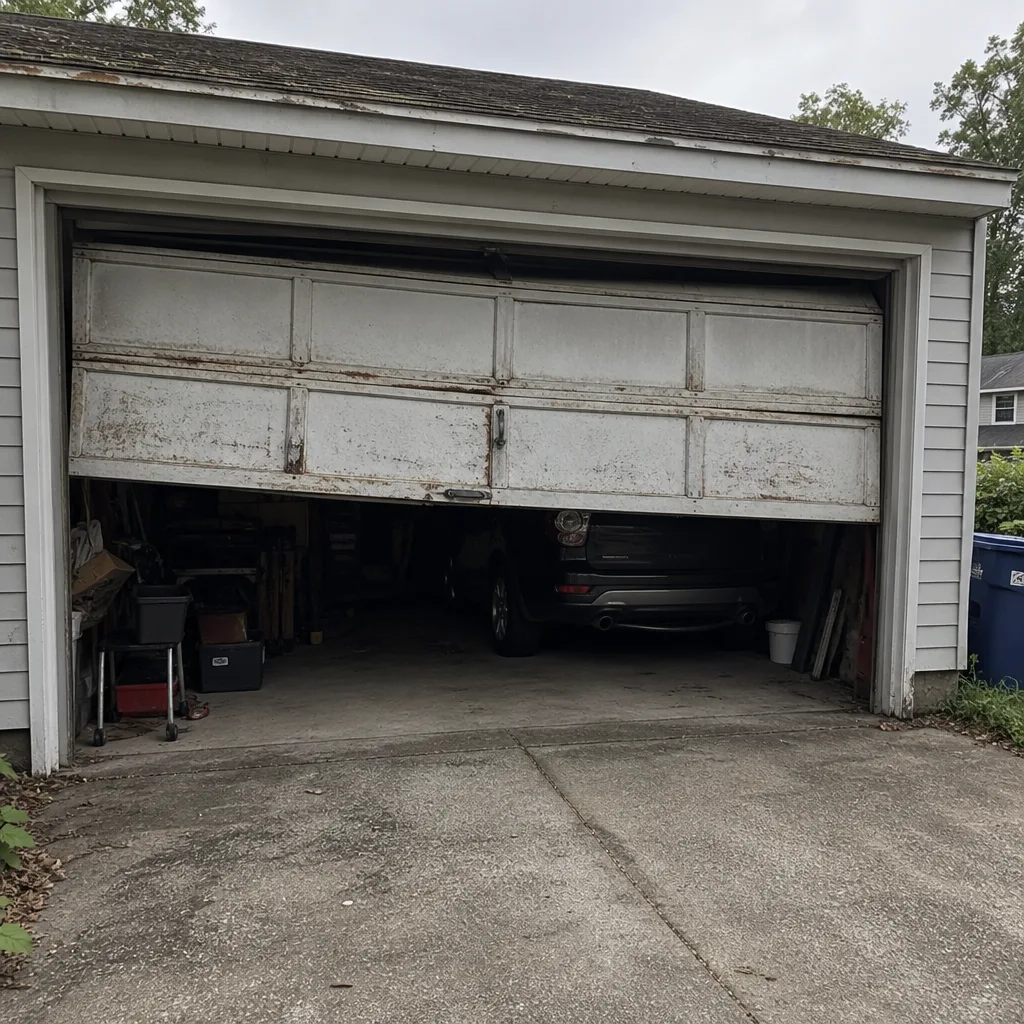 Before
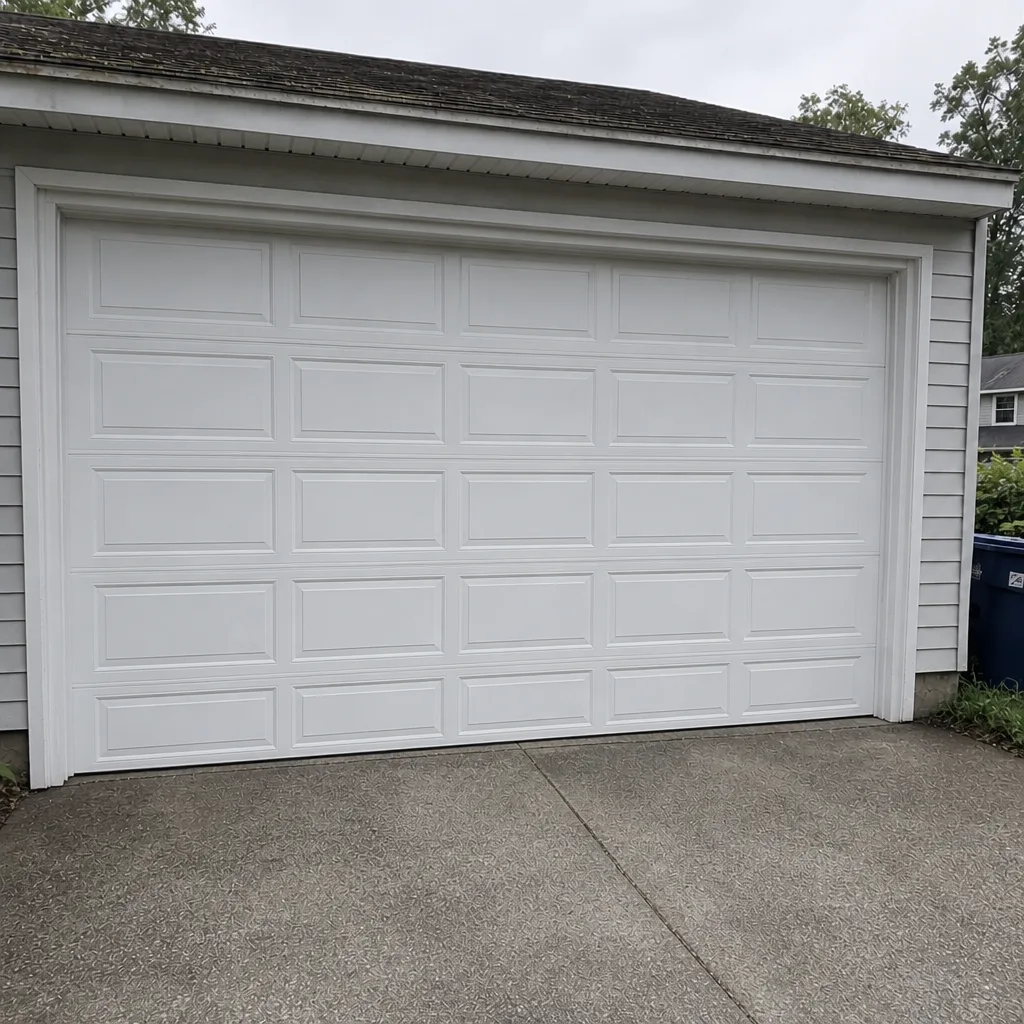 After
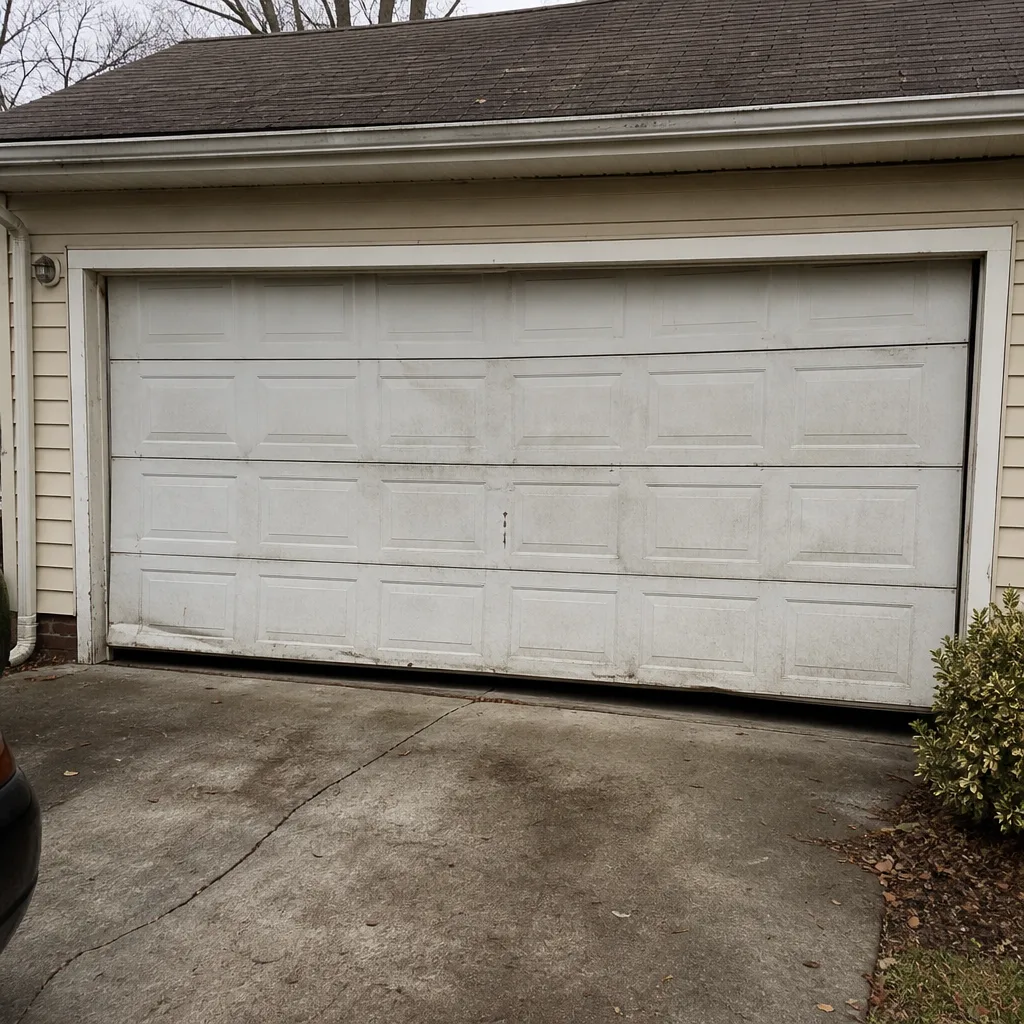 Before
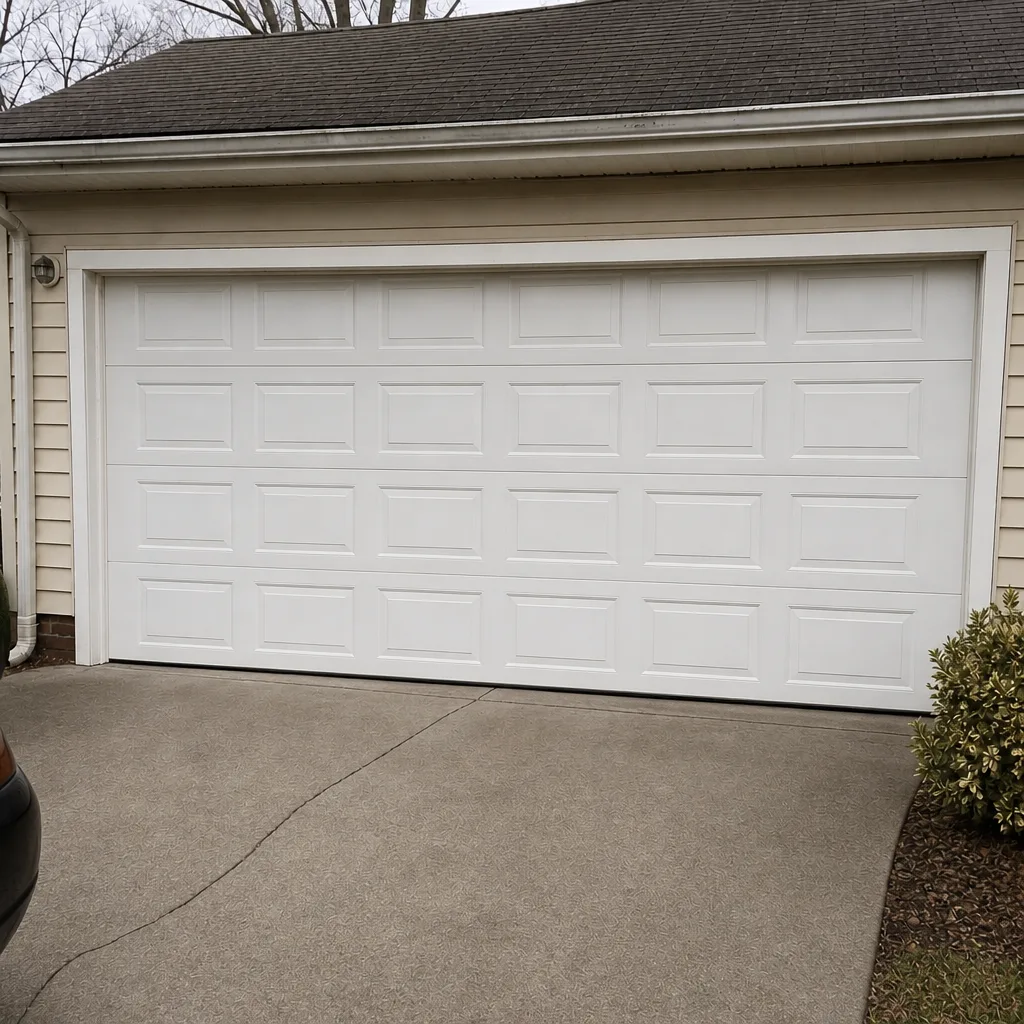 After
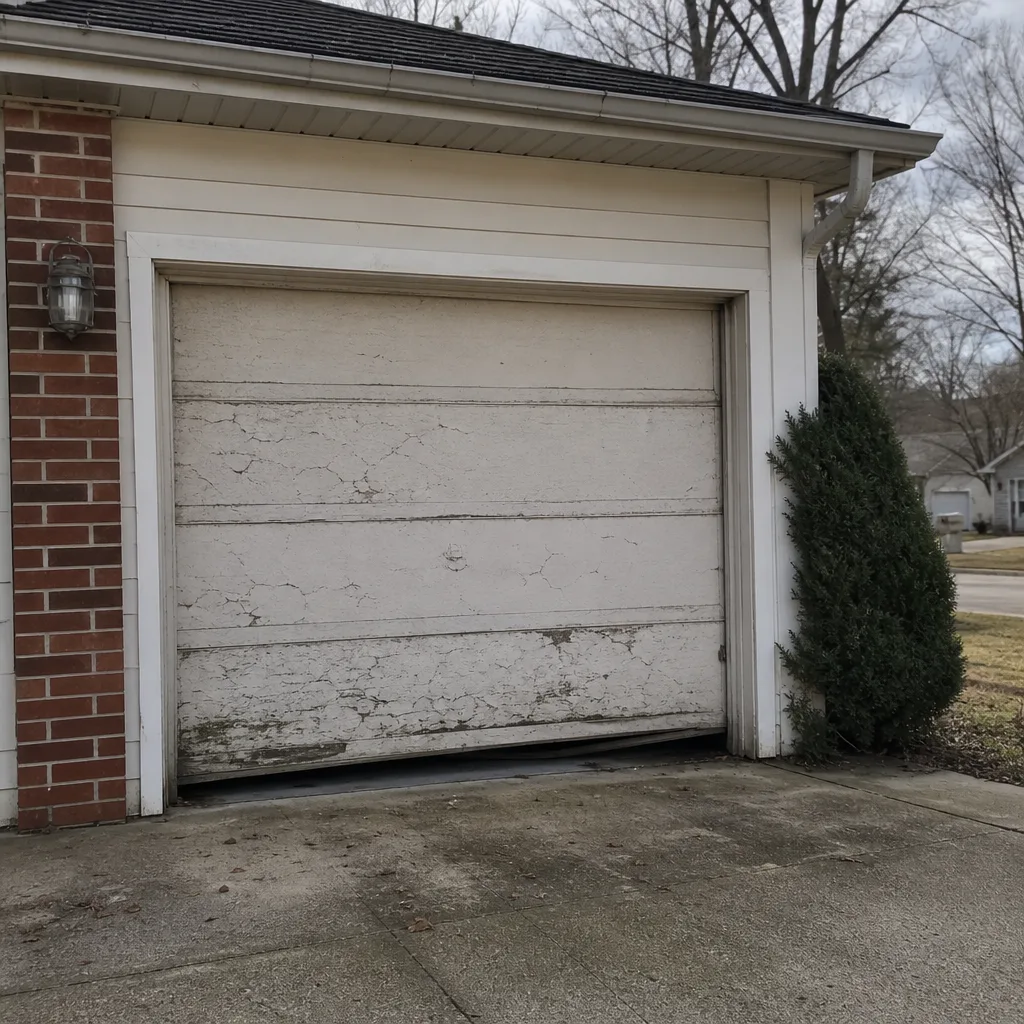 Before
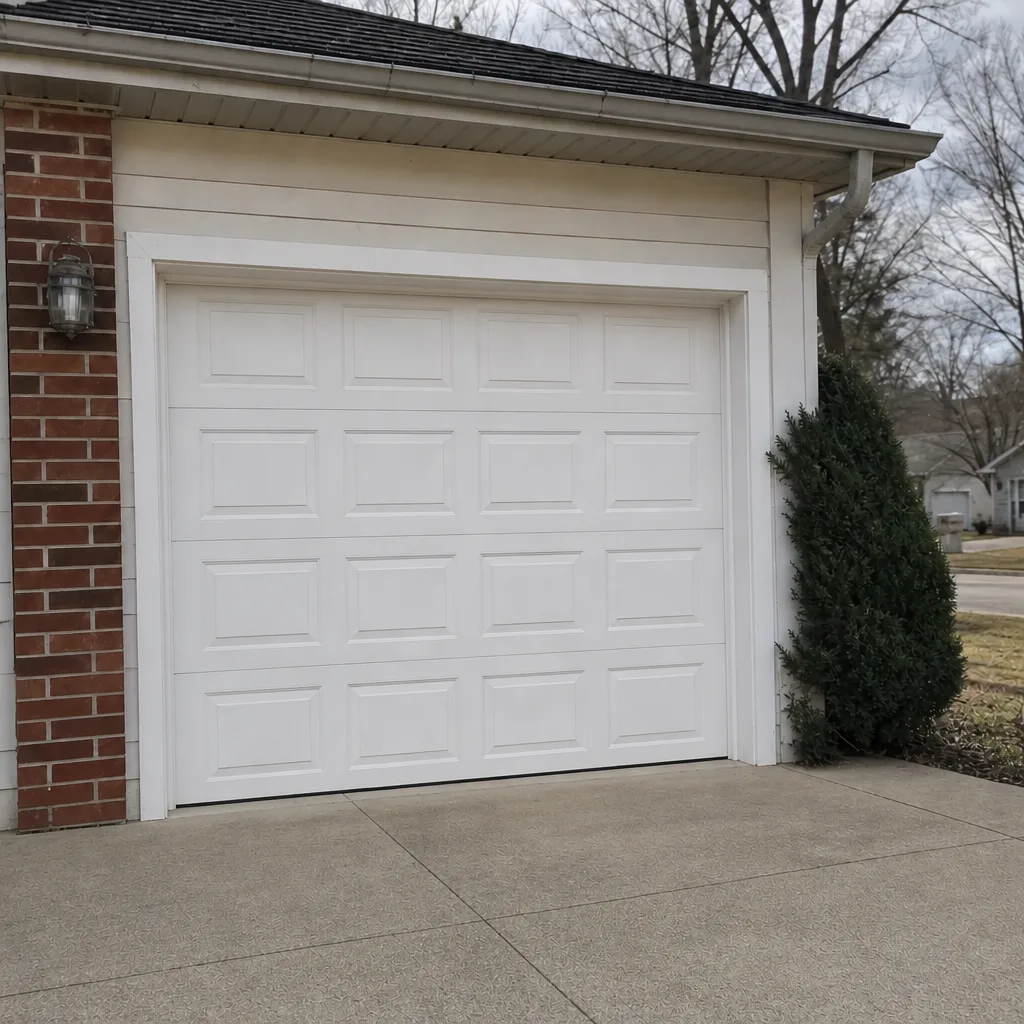 After
When to Call a Professional
Call a professional if the door moves unevenly, the opener runs but the door doesn’t, a cable is slack or frayed, a spring has snapped, or the door is off its tracks. Call if the door is more than a few years old and you don’t know the spring’s cycle history, since a technician can identify the spring and tell you where it is in its life. Call if you’ve had storm damage and aren’t sure whether the door is safe to operate. And call if you want routine annual maintenance done properly rather than guessed at with a spray can. Garage Door Repair Lynnhaven offers free estimates in Lynnhaven. Call (877) 792-5898 for a free estimate. We answer 24/7, and fast dispatch from 7am to 7pm, Sunday through Friday, means we can get to urgent failures quickly.
Frequently Asked Questions
Once a year, with a ten-minute visual check every three months. Schedule the annual service in early spring, before hurricane season, and add a spring tension check after winter. If your door runs more than four or five times a day, a technician may recommend a closer look at the springs by the numbers. Call (877) 792-5898 for a free estimate on an annual service.
No. Tracks should always stay dry. Lubricant on the track collects dust and grit, and the rollers stop rolling and start dragging, which puts extra strain on the opener. Clean the tracks with a dry rag and lubricate the hinges, roller stems and springs instead. We can walk you through the product choices during a free estimate.
A routine maintenance visit and spring check are billed per job based on a written estimate, and the estimate is free. Spring replacement, opener repair and door replacement are all priced individually, so the best way to get a number is to have a technician look at the door. Call (877) 792-5898 for a free estimate, and the price we quote in writing before any work starts is the price you pay.
A door that feels unusually heavy when lifted manually, a loud bang from the garage, a visible gap in the spring coil, or a door that opens partway and stops are all warning signs. Spring failure can be dangerous, so stop using the door and call. Never try to check or adjust a torsion spring yourself.
We take urgent door failures as a priority and offer emergency response as a distinct service. When your garage door stops working, your day stops with it, so call (877) 792-5898. We answer 24/7, and a call outside dispatch hours is booked into the next opening, Sunday through Friday, 7am to 7pm.
Yes. The local technicians we connect you with are licensed and insured as their state requires, and our team has up to 11 years of experience working on the systems in Lynnhaven homes. You can ask about credentials during the free estimate process. Call (877) 792-5898 to set one up.
The Bottom Line
Garage door maintenance is less about doing things monthly and more about doing the right thing at the right time. In Lynnhaven, that means tightening before hurricane season, inspecting seals through the humid summer, and checking spring tension as winter gives way. Lubricate the hinges, rollers and springs, never the tracks. Run the ten-minute visual check every few months. Know your spring’s cycle math so you’re not surprised when it fails. And treat the spring, cable and track as professional-only territory. When you’re ready for an annual service or something has gone wrong, our team is here. Call (877) 792-5898 for a free estimate. We answer 24/7. Fast dispatch from 7am to 7pm, Sunday through Friday.
For a full look at what we do across the region, see our Garage Door Repair Lynnhaven and the wider garage door repair service, along with garage door opener repair and garage door installation options when a repair no longer makes sense.
Written by the team at Garage Door Repair Lynnhaven.